
Desserts
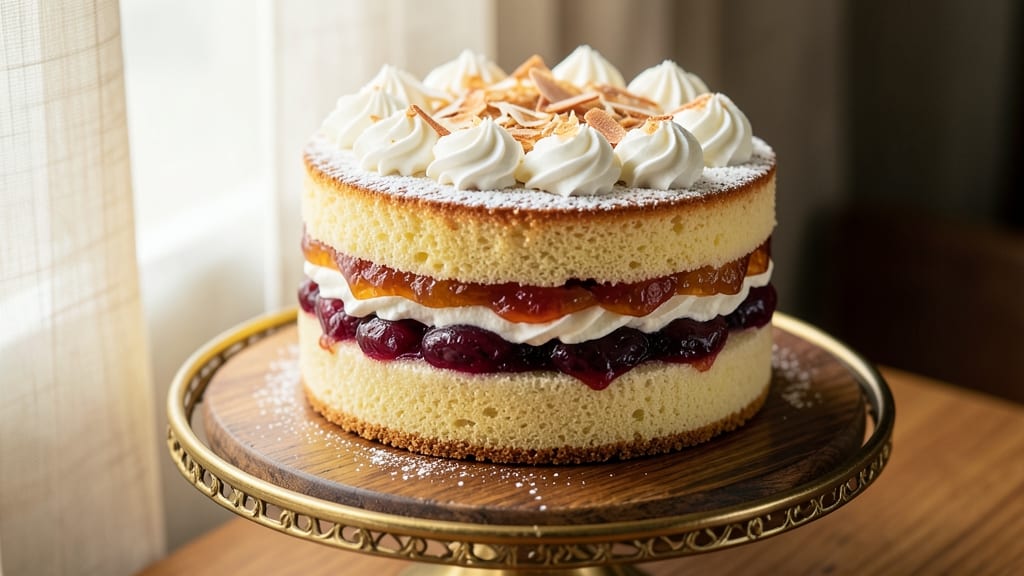
This Asian sponge fruit cake transforms a simple dessert into a vibrant celebration of tropical flavors and delicate textures. 🌺 The secret lies in its light, airy sponge layers infused with citrus zest and pandan extract—creating a fragrance that instantly transports you to a sunny afternoon in Southeast Asia.
Unlike dense fruit cakes, this version stays moist for days without drying out, thanks to a strategic blend of butter and eggs that creates that signature fluffy crumb.
The magic happens in the layers: a buttery sponge base gets infused with bright citrus notes, while layers of tangy fruit preserves (think lychee, mango, or passionfruit) add bursts of tropical sweetness.
Traditional Asian techniques like folding whipped egg whites into the batter ensure maximum airiness, while a touch of coconut milk in the fruit filling elevates the flavors to restaurant-quality levels. This isn't just dessert—it's a showstopper that pairs beautifully with tea or stands proudly at your holiday table.
What makes this recipe truly special is its balance of simplicity and sophistication. You'll achieve a golden, crack-free top with a tender crumb that melts in your mouth, all while keeping the citrus flavors vibrant rather than overpowering.
The cake improves with age, developing deeper flavors as the fruit soaks into the sponge over time—a hallmark of authentic Asian fruit cakes. Whether you're serving it at a family gathering or simply treating yourself, this recipe delivers on both taste and presentation.
For an extra touch of elegance, dust with powdered sugar or garnish with fresh fruit before serving. The contrast of the cake's golden layers against the bright colors of tropical garnishes makes it as visually stunning as it is delicious.
Let's bring this vibrant dessert to life—your taste buds will thank you.
Ingredients for asian sponge fruit cake
Buttery sponge meets tropical fruit preserves in this vibrant Asian-inspired dessert.
| Ingredient | Amount | Notes |
|---|---|---|
| Unsalted Butter 🧈 | 1 cup | Softened at room temperature |
| Granulated Sugar 🍚 | 1 ½ cups | Superfine preferred for smooth texture |
| Large Eggs 🥚 | 6 whole | Room temperature for best volume |
| All-Purpose Flour 🌾 | 2 cups | Sifted for light crumb |
| Pandan Extract 🌿 | ½ tsp | For authentic floral aroma |
| Lemon Zest 🍋 | 2 tbsp | Freshly grated for bright flavor |
| Lime Zest 🍋 | 1 tbsp | Freshly grated for tangy kick |
| Vanilla Extract 🌸 | 1 tsp | Pure Madagascar preferred |
| Baking Powder 🧂 | 1 tsp | Fresh for proper leavening |
| Salt 🧂 | ¼ tsp | Fine sea salt preferred |
| Lychee Preserves 🍈 | 1 cup | Drained, for fruity layers |
| Mango Preserves 🥭 | 1 cup | Drained, for tropical sweetness |
| Passionfruit Preserves 🍈 | ½ cup | Drained, for tangy contrast |
| Coconut Milk 🥥 | ½ cup | Full-fat for richness |
| Powdered Sugar 🍚 | ½ cup | For dusting and garnish |
| Fresh Lychees 🍈 | ¼ cup | Sliced, for garnish (optional) |
| Fresh Mango 🥭 | ¼ cup | Diced, for garnish (optional) |
The butter here isn't just any butter—European-style like Plugrá or Miyoko's gives that extra richness you want in a fruit cake. If you're in a pinch, Land O'Lakes unsalted works fine, but trust me on the full-fat version. For the citrus zest, organic lemons and limes from the grocery store's produce section are your best bet—they're brighter than conventional. The pandan extract? Asian markets carry it in small bottles, or you can order it online. If you can't find it, vanilla extract at double the amount is a decent substitute, though it won't be quite the same. Sift that flour—King Arthur or Gold Medal are my go-tos—because unsifted flour makes for a dense cake.
No lychee preserves? Guava or pineapple jam works in a pinch, though the flavor won't be identical. The passionfruit can be swapped for orange marmalade if you're out, but you'll lose that signature tang. Coconut milk giving you trouble? Heavy cream thinned with a splash of milk mimics the richness. For the fruit garnish, frozen mango or lychee thaws beautifully—just pat it dry before using. The preserves should be drained thoroughly so your cake doesn't get soggy. Pro tip: Warm the preserves slightly before spreading—it makes them spread more evenly between layers.
This cake tastes even better the next day, so bake it ahead if you can. Wrap it tightly in plastic wrap and store at room temperature for up to 3 days, or refrigerate for 5 days. For longer storage, freeze the whole cake (unwrapped) for up to 3 months. To serve, let it sit at room temperature for 30 minutes before slicing—this helps the layers stay intact. The powdered sugar garnish is optional but adds that final touch of elegance. If you're feeling fancy, brush the layers with a little coconut milk syrup before dusting.
Why You'll Love This Recipe
- No-Fuss Mixing: I swear by this recipe because it’s literally one bowl—cream butter and sugar, crack eggs in, fold in flour, and a whisper of pandan. No sifting, no folding until last, no stress. The eggs do most of the work, and the pandan’s floral note cuts through the richness like a sigh.
- Crave-Worthy Texture: That light-as-air crumb? It’s the secret of creaming butter and sugar properly, then gently folding in the flour. The pandan extract gives it a subtle, fragrant lift—like a warm hug in cake form. Honestly, the first slice makes me want to bake another one immediately.
- Weekend or Weeknight: Slice it fresh for breakfast with tea, or let it sit overnight for a denser, richer bite. It’s my go-to for potlucks (no one asks for seconds, but they always take seconds) or a lazy Sunday when I don’t want to fuss. The butter and eggs make it sturdy enough to travel—no crumbs in your bag.
- Budget-Friendly Luxury: Butter and eggs might seem fancy, but they stretch this cake far. A single batch feeds a crowd, and leftovers? They’re even better the next day. Between us, I’ve made this with store-brand sugar and still called it a win. It’s the kind of cake that feels special without breaking the bank.
Step-by-step instructions for tropical Asian sponge fruit cake
Here's how to create layers of light sponge and vibrant fruit preserves for a cake that's bursting with flavor.
👨🍳 Step 1: Whisk Butter and Sugar to Fluffy Perfection
In a large mixing bowl, beat the 1 cup unsalted butter and 1.5 cups granulated sugar together using an electric mixer on medium speed for about 3-4 minutes. You'll notice the mixture lighten in color and nearly double in volume—this is your signal that air has been properly incorporated. The butter should look pale and fluffy, almost like whipped cream.
This step is crucial for creating that signature light, airy texture. I like to scrape down the sides of the bowl every minute or so to ensure everything gets evenly combined. If you're using superfine sugar, the process will go even faster and the cake will have a smoother texture.
👨🍳 Step 2: Add Eggs and Citrus Zest Gradually
Add the 6 whole large eggs, one at a time, mixing well after each addition. After all eggs are incorporated, add the 2 tbsp lemon zest, 1 tbsp lime zest, 0.5 tsp pandan extract, 1 tsp vanilla extract, and 0.25 tsp salt. Mix on low speed just until everything is combined—about 1 minute total. The mixture should be thick and slightly ribbony when you lift the beaters.
Here's where the magic happens—the citrus zest adds that bright, refreshing note that cuts through the richness of the butter. Don't skip the pandan extract; it gives that authentic Asian floral aroma that makes this cake truly special. I know it seems like a lot of zest, but trust me, it balances perfectly with the sweet preserves.
👨🍳 Step 3: Fold in Dry Ingredients Gently
In a separate bowl, whisk together the 2 cups all-purpose flour and 1 tsp baking powder. Sift this mixture directly into the wet ingredients. Using a spatula, gently fold everything together just until combined—you should still see some flour streaks. Overmixing develops gluten and makes the cake dense. The batter should be thick and glossy, like a well-made pound cake batter.
This is where patience pays off. The goal is to create a light, airy crumb, not a dense one. If you're worried about overmixing, stop folding as soon as you can no longer see dry flour spots. The cake will still bake up beautifully with just a few folds.
🍳 Step 4: Layer and Assemble the Cake
Preheat your oven to 350°F. Grease and line two 8-inch round cake pans with parchment paper. Divide the batter evenly between the pans, spreading it out to create even layers. Bake for 25-30 minutes or until a toothpick inserted in the center comes out clean. Let the layers cool in the pans for 10 minutes, then transfer to a wire rack to cool completely.
While the layers cool, prepare the fruit filling by combining the 1 cup lychee preserves, 1 cup mango preserves, and 0.5 cup passionfruit preserves in a small saucepan. Warm over low heat for 3-4 minutes, stirring occasionally, until smooth. Remove from heat and stir in the 0.5 cup coconut milk. Let this mixture cool to room temperature before using.
🥘 Step 5: Assemble and Frost the Cake
Once the layers are completely cool, place one layer on a cake stand or plate. Spread about 1/3 of the fruit preserve mixture evenly over the top. Place the second layer on top and spread another 1/3 of the preserves. Finally, spread the remaining preserves over the top layer.
In a separate bowl, beat the 0.5 cup powdered sugar with 2 tablespoons of the cooled fruit preserve mixture until smooth and spreadable. This will be your light, fruity frosting. Spread this evenly over the top and sides of the cake. Garnish with the 0.25 cup sliced fresh lychees and 0.25 cup diced fresh mango for a beautiful finish and extra burst of flavor.
Pro Tips For Making Asian Sponge Fruit Cake
- Whip Eggs to Ribbon Stage: Stop when the egg mixture holds stiff peaks that slowly droop—like cold honey dripping. Overwhipping adds air but collapses the cake later. I learned this after a batch turned into a dense brick because I didn’t check the texture.
- Melt Butter Slowly: Warm the butter in the microwave for 20 seconds at half power, then stir and repeat until just melted—not bubbling. Hot butter cooks the flour instead of emulsifying, and your cake will taste like floury paste instead of buttery sponge.
- Don’t Overmix the Batter: Fold in the dry ingredients just until no streaks remain—maybe 10-12 strokes max. I used to think more mixing = better texture, but this cake relies on delicate structure. Overdo it, and you’ll end up with a tough, chewy mess.
- Use Room-Temp Eggs: Take the eggs out 30 minutes before baking so they’re 65°F (18°C). Cold eggs won’t incorporate air properly, and your cake will turn out dense. I skip this sometimes, and the difference in rise is night and day—especially in humid kitchens.
Storing and reheating your asian sponge fruit cake
Room Temperature Storage
This cake shines when served at room temperature, so let it sit for 30 minutes before slicing to maintain those delicate layers. Store it in an airtight container at room temperature for up to 3 days—the flavors actually deepen as the fruit soaks into the sponge.
I like using a clear glass cake carrier with a locking lid to keep it fresh while showing off those vibrant layers. 🌿
Refrigerator Refresh
If you prefer cooler slices, refrigerate the cake for up to 5 days in an airtight container. Before serving, let it sit at room temperature for 10-15 minutes to soften the texture. The cold air can make the sponge slightly denser, so this quick reset restores its lightness.
I always double-wrap the cake in plastic wrap before refrigerating to prevent any fruit flavors from drying out. ❄️
Freezer Preservation
For long-term storage, freeze the fully assembled cake (unwrapped) for up to 3 months. Wrap it tightly in plastic wrap followed by a layer of aluminum foil to prevent freezer burn.
When ready to serve, thaw overnight in the refrigerator, then bring to room temperature before slicing. This method preserves the moisture and prevents the layers from separating during freezing. 🥶
Reheating Slices
If you've stored individual slices in the fridge, warm them gently in the microwave for 10-15 seconds on 50% power to restore their softness. For a more even heat, place slices in a 200°F oven for 5-7 minutes until warmed through.
Avoid high heat—it can dry out the sponge. I find that reheating just the top layer (not the whole slice) keeps the fruit preserves from getting too warm. 🔥
Fruit Preserve Tips
The fruit preserves are the heart of this cake, and their texture changes with storage. If they seem too thick after refrigeration, warm them gently in a small saucepan with 1 tsp water until smooth again.
For extra moisture, brush the cake layers lightly with coconut milk before storing—it keeps everything tender. The preserves will continue to infuse the sponge over time, making the cake taste even better after a few days. 🍈
Nutrition facts
Frequently asked questions
Can I substitute regular sugar for superfine sugar in this recipe?
Yes, but pulse regular granulated sugar in a food processor or blender until it becomes fine and powdery. This helps create a smoother texture in the sponge layers. For best results, use 1.5 cups of superfine sugar or 1.6 cups of regular sugar—just be prepared for slightly larger crumbs. The texture won't be identical, but it'll still taste delicious!
What if I don't have pandan extract? Can I make this cake without it?
You can absolutely make it without pandan extract! For an authentic Asian flavor, try doubling the vanilla extract to 2 tsp or adding 1 tsp of coconut extract (if available). The citrus zest will still provide that bright, refreshing note, though the floral aroma will be slightly different. The cake will still taste amazing—just with a more classic citrus-forward profile.
How do I prevent the cake from drying out over time?
Store the cake in an airtight container at room temperature and brush the layers lightly with coconut milk before sealing. This keeps the sponge moist for up to 3 days. For longer storage, refrigerate (up to 5 days) or freeze (up to 3 months). Always let it come to room temperature before slicing to maintain that tender crumb. The fruit preserves also help retain moisture as they infuse the cake.
Can I make this cake in a different shape or size?
Yes! This recipe works well for a 9-inch round cake (use one pan) or even a loaf pan for a rustic presentation. For a taller cake, bake in 3-inch layers instead of 2-inch. Just adjust baking times—check for doneness with a toothpick at 25-30 minutes. The key is keeping the layers even and allowing proper cooling between stages. A bundt pan could also work for a unique shape!
Why did my cake turn out dense instead of light and airy?
Dense cake usually happens from overmixing or under-whipped butter/sugar.