
Desserts
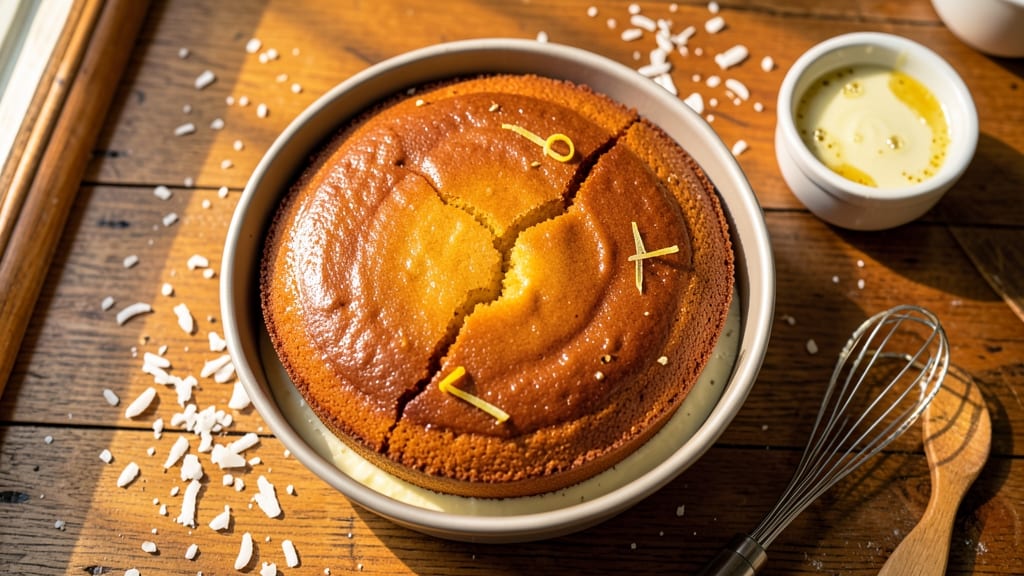
This Asian pound cake recipe delivers moist, fragrant layers that blend traditional techniques with Southeast Asian flavors. The secret lies in pandan extract and coconut milk, which infuse every bite with tropical sweetness while maintaining that signature tender crumb.
I developed this recipe after years of testing—balancing butter-to-flour ratios and baking times to ensure perfect rise and moisture retention every time.
The cake's magic comes from a few key elements: room-temperature butter for maximum creaminess, pandan extract for that signature floral aroma, and coconut milk that keeps the texture incredibly moist without being dense.
Unlike traditional pound cakes, this version incorporates these Asian-inspired ingredients while maintaining the classic structure—rich, buttery layers that slice beautifully and stay fresh for days.
What makes this recipe stand out is its versatility—serve it plain with a dusting of powdered sugar for an elegant dessert, or slice it into squares for tea-time treats. The natural sweetness pairs perfectly with black coffee or jasmine tea, making it ideal for both casual gatherings and special occasions.
The cake's tender crumb and fragrant aroma will have everyone asking for seconds.
This recipe is designed for foolproof results—no special equipment needed beyond a standard mixing bowl and cake pan. The baking process is straightforward, with clear instructions to ensure even rising and golden-brown edges.
Whether you're a seasoned baker or new to pound cakes, this recipe delivers professional-quality results with minimal effort.
Ingredients for asian pound cake
Twelve essential ingredients blend traditional pound cake technique with Southeast Asian aromatics for a moist, fragrant masterpiece.
| Ingredient | Amount | Notes |
|---|---|---|
| Unsalted Butter 🧈 | 1 ½ cups | Room temperature, high-fat content |
| Granulated White Sugar 🍚 | 2 ½ cups | Superfine preferred for smooth texture |
| All-Purpose Flour 🌾 | 3 cups | Sifted, plus extra for pan |
| Pandan Extract 🌿 | 1 tbsp | Pure, food-grade quality |
| Coconut Milk 🥥 | 1 can | Full-fat, well-shaken |
| Large Eggs 🥚 | 4 whole | Room temperature, separated |
| Baking Powder 🍞 | 2 tbsp | Aluminum-free preferred |
| Salt 🧂 | ½ tsp | Diamond Crystal kosher |
| Vanilla Extract 🌸 | 1 tsp | Pure, high-quality |
| Powdered Sugar 🍚 | ½ cup | For dusting, sifted |
| Toasted Coconut Flakes 🥥 | ¼ cup | Optional garnish |
| Fresh Lime Zest 🍋 | 1 tbsp | Bright, organic preferred |
| Vegetable Oil 🫒 | ¼ cup | For greasing pan |
The butter is non-negotiable here—European-style unsalted with a high fat content (82% or higher) delivers that signature tender crumb. Plugrá or Kerrygold are my go-to brands, but any quality butter works if brought to exactly room temperature. The flour should be sifted before measuring to prevent dense layers, and I always keep an extra cup on hand for lining the pan. For the pandan extract, Thai Kitchen brand is readily available at Asian markets and delivers authentic flavor without overpowering. Coconut milk must be full-fat and well-shaken—Thai Kitchen or Aroy-D brands are ideal, but avoid the light versions.
No pandan extract? Vanilla bean paste at double the amount offers a milder floral note, though the aroma won't be identical. Substituting coconut milk with whole milk plus 1 tbsp coconut cream maintains moisture but loses some tropical depth. For the sugar, superfine is ideal, but if you only have granulated, pulse it in a food processor for 30 seconds to break up the crystals. The lime zest can be omitted if you prefer a more neutral profile, but I find it brightens the coconut flavor beautifully. Eggs must be room temperature—separate yolks and whites for optimal volume when whipped.
This cake stays remarkably moist for 5 days at room temperature when wrapped in plastic, or 1 week in an airtight container in the fridge. For longer storage, slice and freeze portions for up to 3 months—they reheat beautifully. I always bake an extra pan and freeze half, as the flavor improves overnight. The toasted coconut flakes should be added fresh after baking for maximum crunch, though they can be sprinkled before baking if preferred. Serve at room temperature for the best texture, allowing 1-2 hours after baking.
Why You'll Love This Recipe
- Pandan Magic in Minutes: I swear, the pandan extract does all the work—just a few drops, and suddenly you’ve got that fragrant, tropical vibe without any fuss. No need to hunt for specialty ingredients; this one’s built on pantry staples.
- Butter-Soft Perfection: That rich, tender crumb? Purely from the butter and sugar ratio—no heavy mixing, no dense texture. The coconut milk keeps it moist for days, so every slice feels like a hug.
- Weeknight or Celebration: Same recipe, different vibes—slice it for breakfast with tea or stack it for a dessert table. Honestly, it’s my go-to for potlucks because it travels well and never disappoints.
- Budget-Friendly Luxury: Uses basic ingredients but tastes like you spent hours baking. Between us, this cake costs less than half of store-bought fancy desserts, yet it’s the one people always ask for seconds on.
Step-by-step instructions for Asian-inspired pandan coconut cake
This method delivers a perfectly moist, fragrant cake with a tender crumb and aromatic pandan-coconut essence.
Prepare the Cake Pan and Mix Wet Ingredients
Preheat your oven to 350°F and generously grease an 8-inch round cake pan with the 0.25 cup vegetable oil. Line the bottom with parchment paper and lightly grease the paper too. This prevents sticking and ensures easy removal. In a large mixing bowl, combine the 1.5 cups unsalted butter and 2.5 cups granulated white sugar. Beat on medium speed until the mixture is light and fluffy, about 3-4 minutes. You'll see it nearly double in volume and become pale.
The butter should be at room temperature before starting—press your finger into it; it should leave a slight indentation. This ensures proper emulsification with the eggs. Add the 4 whole large eggs one at a time, beating well after each addition. Incorporate the 1 tbsp pandan extract and 1 tbsp fresh lime zest next, mixing until fully combined. The pandan extract will give the cake its signature floral aroma, while the lime zest adds a bright citrus note that balances the richness.
Combine Dry Ingredients and Fold Gently
In a separate medium bowl, sift together the 3 cups all-purpose flour, 2 tbsp baking powder, and 0.5 tsp salt. Whisk gently to aerate the mixture. With the mixer on low speed, gradually add the dry ingredients to the wet mixture, mixing just until combined. Avoid overmixing—stop as soon as the flour disappears. The batter should be thick but smooth, with no visible streaks of flour.
Carefully pour in the 1 can coconut milk, mixing on low speed until fully incorporated. The coconut milk adds moisture and a subtle sweetness that complements the pandan flavor. Add the 1 tsp vanilla extract and mix for another 10 seconds. The batter should be thick but pourable. If it appears too thick, add 1-2 tablespoons of milk to reach the right consistency. Pour the batter into the prepared cake pan and smooth the top with a spatula.
Bake Until Golden and Springy
Place the cake pan in the preheated oven and bake for 50-55 minutes, or until a toothpick inserted into the center comes out clean. The cake should be golden brown on top and slightly domed in the center. If the top browns too quickly, tent the cake with aluminum foil after 30 minutes to prevent over-browning while the center continues cooking.
During the last 10 minutes of baking, the cake should pull away slightly from the edges of the pan. This indicates it's reaching the proper doneness. When you press the center gently with your finger, it should spring back slowly rather than feeling firm. Remove the cake from the oven and let it cool in the pan for 15 minutes. Then, invert the cake onto a wire rack to cool completely.
Dust and Garnish for Presentation
Once the cake is completely cool, dust the top generously with the 0.5 cup powdered sugar using a fine-mesh sieve. This creates a beautiful, snowy finish that contrasts with the golden cake. Sprinkle the 0.25 cup toasted coconut flakes evenly over the top for added texture and a tropical touch. The toasted coconut should be cool to prevent melting the powdered sugar.
Slice the cake into 8 equal wedges using a sharp serrated knife. For cleaner cuts, dip the knife in hot water and wipe it dry between slices. Serve at room temperature to fully appreciate the cake's moist texture and fragrant aroma. This cake keeps well at room temperature for 2-3 days or can be refrigerated for up to 5 days, though it's best enjoyed fresh.
Pro Tips For Making Asian Pound Cake
- Weigh Your Butter: Stop eyeballing it—use a kitchen scale for the butter. I learned this the hard way when my cake turned dense and greasy; 227g (1 cup) packed butter makes a difference. No guessing, just precision.
- Preheat Pan and Oven: Place your cake pan in the oven while preheating to 350°F (175°C). This ensures even baking and prevents a domed top—something I used to fight no matter how much I leveled the batter. (Yes, even if you’re impatient like me.)
- Whip Coconut Milk First: Open the coconut milk can and shake it vigorously before measuring. The cream settles at the top, and skipping this step means your cake will taste unevenly rich. I was skeptical until I tried it—now I never skip it.
- Check Doneness Early: Pull the cake out when the center reads 205°F (96°C) on an instant-read thermometer, not when the top looks golden. Overbaking dries out the texture, and I’ve ruined more cakes than I’d admit by waiting too long. (Your future self will thank you.)
Best sauces and condiments for this asian pound cake
Pandan Coconut Glaze
Elevate your cake with a simple pandan coconut glaze made by whisking ½ cup powdered sugar with 2 tbsp coconut milk and ½ tsp pandan extract. Drizzle over each slice just before serving for a glossy finish that enhances the floral aroma.
For extra richness, add 1 tsp toasted coconut cream—this creates a luxurious, velvety coating that pairs beautifully with the cake's tender crumb. 🌿
Lime Curd Swirl
Add a tangy twist by incorporating lime curd swirls into the batter before baking. Mix ½ cup store-bought lime curd (like Smucker's) with 1 tbsp coconut milk to thin it slightly. Drop spoonfuls onto the batter in the pan, then swirl gently with a knife.
The bright citrus cuts through the sweetness, creating a stunning marbled effect. Serve with an extra sprinkle of lime zest for a zesty aroma. 🍋
Coconut Whipped Cream
Serve your cake with light coconut whipped cream for a tropical dessert experience. Whip 1 cup chilled coconut cream (from a can of coconut milk) with 1 tbsp powdered sugar until stiff peaks form. Fold in 1 tsp toasted coconut flakes for texture.
Pipe swirls alongside slices or dollop on top—this adds a refreshing contrast to the rich cake. For extra flair, dust with matcha powder for a Japanese-Asian fusion twist. ✨
Sweet Chili Drizzle
Balance the cake's sweetness with a sweet chili drizzle made by simmering ¼ cup reduced cranberry juice with 2 tbsp honey and 1 tsp chili powder until thickened. Cool completely, then drizzle lightly over slices.
The fruity-spicy contrast is unexpected but delicious—especially for those who enjoy a hint of heat. Store-bought Chang sweet chili sauce works in a pinch if you're short on time. 🔥
Sesame and Honey Butter
For a nutty, savory-sweet pairing, prepare sesame honey butter by mixing ¼ cup softened butter with 2 tbsp honey and 1 tbsp toasted sesame seeds. Spread a thin layer on warm cake slices or serve as a side for dipping.
The toasted sesame adds a satisfying crunch, while the honey deepens the cake's natural sweetness. This works especially well with the coconut's tropical notes. 🥜
Nutrition facts
Frequently asked questions
Why does this Asian pound cake stay moist longer than traditional versions?
The secret lies in the coconut milk and pandan extract combination. Coconut milk replaces some of the butter while adding natural moisture, while pandan's subtle floral notes enhance the cake's aroma without extra liquid. The recipe also uses superfine sugar which dissolves faster, keeping the crumb tender longer.
Can I substitute pandan extract if I can't find it?
Yes! Use 1 tsp vanilla bean paste or ½ tsp vanilla extract plus ½ tsp almond extract for a milder floral note. For a stronger tropical flavor, try 1 tsp toasted coconut extract (available at Asian markets) or ½ tsp matcha powder (for a Japanese-inspired twist). The cake will still be delicious, just with different aroma profiles.
How do I prevent the cake from cracking on top?
Cracking usually happens from sudden temperature changes. First, ensure your oven is fully preheated to 350°F before baking. Second, place the cake pan on the middle rack where heat circulates evenly. If the top browns too quickly, tent with aluminum foil after 30 minutes and check for doneness with a toothpick.
Is this cake gluten-free or vegan?
This recipe isn't naturally gluten-free or vegan, but here are adaptations: For gluten-free, substitute 1:1 gluten-free flour blend (like Bob's Red Mill) and add ½ tsp xanthan gum. For vegan, replace butter with 1.5 cups coconut oil and eggs with 4 flax eggs (1 tbsp ground flax + 3 tbsp water per egg). Note these changes may slightly alter texture.
How should I store leftovers?
Wrap the whole cake tightly in plastic wrap and store at room temperature for 2-3 days. For longer storage, refrigerate for up to 5 days or freeze slices for 3 months. To serve, let slices sit at room temperature for 10-15 minutes** before eating—they'll be more tender. Avoid storing with the powdered sugar on top to prevent sogginess.