
Desserts
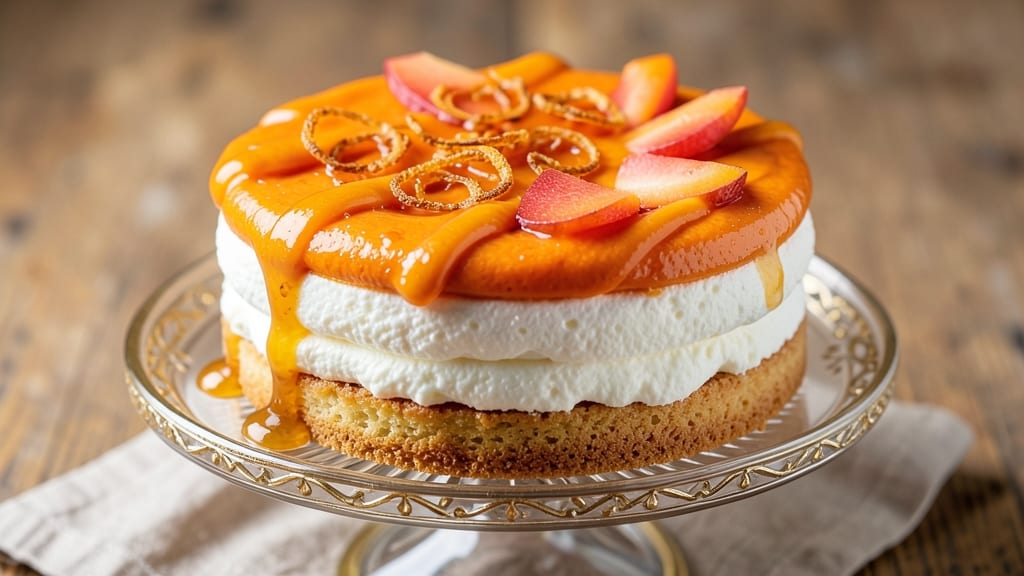
This Asian mango mousse cake recipe delivers layers of tropical sweetness that taste like a vacation in every bite. 🌴 The secret lies in a delicate sponge base infused with ripe mango puree, topped with silky coconut mousse that captures the essence of Southeast Asian desserts while keeping the texture light and airy.
I've perfected this recipe through years of testing, balancing traditional techniques with modern twists that make it approachable for home cooks.
The foundation starts with a chiffon cake infused with vibrant mango flavor, giving it structure without heaviness. Between the layers, a coconut-based mousse—enhanced with pandan extract for that signature floral note—creates the signature silky texture that defines this dessert.
What makes this recipe special is how it combines familiar baking techniques with unexpected Asian-inspired flavors, creating something both elegant and comforting.
By the time you slice into this cake, you'll uncover a symphony of textures: tender mango-infused sponge, velvety coconut mousse, and a final touch of toasted coconut flakes that add crunch.
The presentation is just as impressive as the taste, with golden layers that reveal the beautiful contrast between the pale sponge and rich mousse. This dessert is perfect for special occasions or when you want to impress with a showstopping treat that doesn't require advanced skills.
Whether you're serving it at a dinner party or treating yourself to a tropical escape at home, this recipe delivers restaurant-quality results with a fraction of the effort.
The best part? You can customize it with matcha-infused sponge or chili-lime garnish for a modern twist. Let's bring this tropical delight to your kitchen!
Ingredients for asian mango mousse cake
Tropical flavors meet delicate textures in this vibrant mango-coconut dessert creation.
| Ingredient | Amount | Notes |
|---|---|---|
| All-Purpose Flour 🌾 | 2 cups | Sifted for light texture |
| Granulated Sugar 🍚 | 1 ½ cups | Superfine preferred for smoothness |
| Ripe Mango Puree 🥭 | 1 cup | Fresh or high-quality jarred |
| Unsalted Butter 🧈 | 1 cup | Room temperature for blending |
| Large Egg Whites 🥚 | 8 whole | Room temperature, separated |
| Cream of Tartar 🧂 | ½ tsp | Stabilizes egg whites |
| Vanilla Extract 🍯 | 1 tsp | Pure Madagascar preferred |
| Pandan Extract 🌿 | ¼ tsp | For authentic floral aroma |
| Coconut Milk 🥥 | 13 ½ oz | Full-fat canned for richness |
| Powdered Sugar 🍚 | 1 ½ cups | For mousse sweetness |
| Toasted Coconut Flakes 🥥 | ½ cup | For garnish and crunch |
| Baking Powder 🌶️ | 1 ½ tsp | For sponge lift |
| Salt 🧂 | ½ tsp | Fine sea salt preferred |
| Lemon Juice 🍋 | 1 tbsp | Freshly squeezed |
The mango puree is everything here—ripe, vibrant, and fresh is non-negotiable. Whole Foods or Asian markets usually carry the best ripe mangoes, or grab a jar of puree from Trader Joe's if fresh isn't an option. For the coconut milk, full-fat canned Thai brands like Aroy-D give that authentic richness. The pandan extract? Penzeys or specialty Asian stores carry it—it's worth hunting down for that signature floral note. Don't skip toasting the coconut flakes (5 minutes in a dry pan) for maximum crunch and aroma.
No ripe mangoes? Substitute with 1/2 cup mango nectar plus 1/4 cup lemon juice—it won't be as vibrant but works in a pinch. Running low on coconut milk? Heavy coconut cream from the same can works, just use half the amount. The pandan extract can be swapped for 1 tsp vanilla plus 1/4 tsp almond extract if you're missing it. For the butter, vegan butter works too—just make sure it's at room temperature. The egg whites? No substitutions here—they're the secret to that light, airy texture.
Store the mousse cake in an airtight container between layers of parchment for up to 3 days—it actually tastes better the next day as flavors meld. For longer storage, freeze the assembled cake (unfrosted) for up to 2 months. Let it thaw at room temperature before serving. Pro tip: Make the mousse a day ahead—it gets even more luxurious as it rests. The sponge layer? Best baked fresh, but you can prep the batter up to 4 hours ahead and refrigerate.
Why You'll Love This Recipe
- No Puree Hassle: I just blend ripe mangoes—no peeling, no pitting, no mess. That thick, velvety puree slips into the cake batter like butter, and honestly? It tastes like summer in every bite.
- Sweet-Tart Magic: The mango puree cuts through the richness of the butter and sugar, giving it this bright, almost tropical lift. Between us, it’s the kind of flavor that makes you eat it straight from the bowl—no plate needed.
- Party in a Box: This cake travels beautifully. Pack it for potlucks, stash it for birthdays, or just keep slices in the fridge for lazy afternoons. The mango flavor holds up, and the mousse layer stays luscious—no soggy surprises.
- Budget Bright Spot: I use basic pantry staples—flour, sugar, butter—and a single bag of mangoes stretches to feed four. It’s my go-to when I want something special without breaking the bank. (Yes, even on a Tuesday night.)
Step-by-step instructions for Asian mango mousse cake
Let's create this tropical masterpiece with layers of mango magic and velvety coconut.
👨🍳 Step 1: Prepare the Mango Sponge Cake
Preheat your oven to 350°F and grease two 8-inch round pans generously with butter. In a large bowl, whisk together the 2 cups all-purpose flour, 1.5 cups granulated sugar, 1.5 teaspoons baking powder, and 0.5 teaspoon salt. Sift the flour mixture into another bowl to aerate it—this creates a lighter texture.
In a separate bowl, beat the 1 cup unsalted butter until light and fluffy (about 2-3 minutes). Gradually add the 8 whole large egg whites one at a time, mixing well after each addition. Combine the wet and dry ingredients gently, folding just until combined—overmixing develops gluten, which makes the cake dense. Pour the batter evenly into the prepared pans.
🍳 Step 2: Bake and Prepare the Mango Filling
Bake the sponge layers for 18-20 minutes or until a toothpick inserted into the center comes out clean. Let the cakes cool in the pans for 5 minutes, then transfer to a wire rack to cool completely. While they cool, prepare the mango filling by whisking together the 1 cup ripe mango puree, 1.5 cups powdered sugar, 1 tablespoon lemon juice, 1 teaspoon vanilla extract, and 0.25 teaspoon pandan extract until smooth. This filling should be thick but pourable—adjust the powdered sugar if needed.
Here's the thing—this filling is the heart of your cake. The pandan extract adds that authentic floral aroma that makes this cake taste like a tropical vacation. Don't skip it, even if you've never used it before. It's subtle but essential for that Southeast Asian touch.
🥘 Step 3: Create the Coconut Mousse Layer
In a chilled mixing bowl, whip the 13.5 ounces coconut milk (refrigerated overnight for best results) with an electric mixer until stiff peaks form. In a separate bowl, beat the 8 whole large egg whites with 0.5 teaspoon cream of tartar until soft peaks form, then gradually add the 1.5 cups powdered sugar until glossy and firm. Gently fold the coconut milk into the egg white mixture until fully combined—this creates that signature light, airy texture.
Real talk: The key to perfect mousse is patience. Let the coconut milk chill thoroughly before whipping, and don't rush the folding process. You want to maintain those air pockets for that cloud-like texture. If you see the mixture deflate, start over—there's no coming back from overmixing at this stage.
⏰ Step 4: Assemble the Cake Layers
Place one cake layer on a serving plate. Spread half of the mango filling evenly over the layer, leaving a ½-inch border around the edges. Add the coconut mousse layer, spreading it evenly to cover the mango filling completely. Repeat with the second cake layer, then top with the remaining mango filling.
Here's where it gets fun—gently press down on each layer to help them adhere. You don't want to squish them, just enough to create a solid structure. Place the assembled cake in the refrigerator for at least 4 hours (overnight is even better) to allow the layers to set properly. This chilling time is crucial for developing that perfect texture contrast between the light sponge, creamy mousse, and vibrant mango filling.
🍽️ Step 5: Garnish and Serve
Before serving, remove the cake from the refrigerator and let it sit at room temperature for 10-15 minutes. This brief warm-up makes the textures even more luxurious. Sprinkle the top evenly with 0.5 cup toasted coconut flakes for that perfect crunch contrast. For an extra touch, you can pipe a border of whipped cream around the edges if you like.
Slice into wedges and serve immediately. Each bite should deliver the perfect balance: a tender sponge base, silky coconut mousse, and bursts of tropical mango flavor. The toasted coconut adds that final textural element that makes this cake truly special. And trust me, your guests will be asking for the recipe!
Pro Tips For Making Asian Mango Mousse Cake
- WHISK EGGS AT ROOM TEMP: I learned this the hard way—cold egg whites from the fridge fold into meringue like wet sand. Pop them in a warm bowl for 10 minutes first, and those peaks will hold like they’re supposed to. (Yes, even if you’re impatient like me.)
- STRAIN THE MANGO PUREE: Fibrous bits in your mousse? Not ideal. Run that ripe mango puree through a fine-mesh sieve before mixing—it keeps the texture silky smooth. I skip this sometimes, and the cake still works, but the difference is noticeable when you don’t.
- BAKE UNTIL SPRINGY: That cake might look golden but still feel dense in the center. Press a toothpick in—it should come out clean and the top should bounce back when touched. Overbaking dries out the mango flavor, so pull it out just as it hits that point.
- SWAP SUGAR FOR CORN SYRUP: Too much granulated sugar can make the mousse cake gummy. Replace 1-2 tablespoons with light corn syrup—it keeps the texture light while enhancing the mango’s natural sweetness. (Your future self will thank you.)
Creative variations of this recipe
Matcha-Inspired Twist
Swap out the vanilla extract in the mango filling for 1 teaspoon matcha powder (sifted) and reduce the powdered sugar to 1.25 cups for balance. This creates a vibrant green layer that pairs beautifully with the coconut mousse.
For extra depth, add ½ teaspoon pandan extract to the mousse layer—this fusion delivers earthy Japanese flavors with tropical Southeast Asian notes. Use Japanese ultra-fine sugar (like Koyo) for a smoother texture. 💚
Pandan-Coconut Swirl
Take the coconut mousse to the next level by infusing it with 1 teaspoon pandan extract and ½ teaspoon lime zest. After folding the mousse, pipe it directly onto the mango filling in decorative swirls using a Wilton 1M piping tip.
This creates stunning visual contrast while keeping the texture luxurious. For extra flair, sprinkle edible gold leaf over the top before adding toasted coconut flakes. The lime zest brightens the flavors, making each bite feel fresh and vibrant.
Spicy Chili-Lime Garnish
Add a kick to this tropical dessert with a chili-lime garnish. Mix 1 tablespoon lime zest, ½ teaspoon Tajín seasoning, and 1 teaspoon honey in a small bowl. After assembling the cake, brush the top lightly with lime juice and sprinkle the spicy mixture evenly.
The heat cuts through the sweetness, creating a perfect balance. For an extra touch, add thin lime slices around the base of the cake for a restaurant-worthy presentation. 🌶️
Pandan-Coconut Panna Cotta
Replace the coconut mousse with a pandan-coconut panna cotta for a richer texture. Heat 1 can (13.5 oz) full-fat coconut milk with 2 tablespoons sugar, 1 teaspoon pandan extract, and 1 vanilla bean (scraped) until steaming.
Strain and whisk with 2 teaspoons unflavored gelatin (bloomed in water) until dissolved. Pour into ramekins and chill for 4 hours. Before serving, top with mango puree and toasted coconut flakes. This version adds a silky, custard-like layer that elevates the entire dessert. 🥥
Seasonal Fruit Variations
Swap the mango filling for seasonal fruits to keep this cake fresh year-round. In summer, use passion fruit puree (reduce sugar to 1 cup) for a tangy twist. In fall, try jackfruit puree with ½ teaspoon cinnamon and 1 teaspoon lime zest for warmth.
For winter, a guava puree with ½ teaspoon cardamom adds aromatic depth. Each variation keeps the coconut mousse as the star, while the fruit filling adapts to the season. 🍍
Vegan Adaptations
Make this cake completely plant-based by using vegan butter (like Miyoko's) and aquafaba (chickpea brine) instead of egg whites. Whip ½ cup aquafaba with ½ teaspoon cream of tartar until stiff peaks form, then fold into the coconut mousse mixture.
For the sponge, replace eggs with ½ cup applesauce and ½ cup coconut milk. Use vegan gelatin (like agar-agar) to set the mousse if needed. The result? A light, airy cake that’s just as impressive as the original. 🌱
Nutrition facts
Frequently asked questions
Can I make this cake without a stand mixer?
For the coconut mousse, use a hand mixer or whisk—just whip the coconut milk and egg whites separately until stiff peaks form. Fold gently with a rubber spatula to combine. For the sponge, mix the dry ingredients by hand using a whisk, then fold in the wet ingredients carefully. The key is patience—whisk vigorously for 5-7 minutes to achieve volume without a mixer.
How do I know when the mango puree is ripe enough?
Ripe mangoes should be slightly soft when gently squeezed near the stem (like a ripe avocado). The skin should have a golden-yellow hue with some red or orange blush. For puree, blend until completely smooth—no chunks! If using jarred puree, check for added sugars or preservatives. Fresh is always better, but jarred works in a pinch.
Why does my coconut mousse look grainy?
Graininess usually means the coconut milk wasn't chilled enough before whipping. Always refrigerate the can overnight first. Also, ensure your mixing bowl is cold (place it in the freezer for 10 minutes before use). If it happens, whisk the mousse gently with a spatula to redistribute the fat—it'll still taste delicious!
Can I make this cake ahead of time?
Yes! Assemble the cake (without final garnish) and refrigerate for up to 3 days in an airtight container. The flavors actually improve as they meld. For longer storage, freeze the assembled cake (unfrosted) for 2 months. Thaw overnight in the fridge before serving. Add garnishes fresh for best texture.
What's the best way to store leftover mango puree?
Transfer puree to an airtight container and refrigerate for up to 5 days. For longer storage, freeze in ice cube trays—thaw overnight in the fridge before using. Avoid refreezing thawed puree as it can alter texture. Label with dates to track freshness!