
Desserts
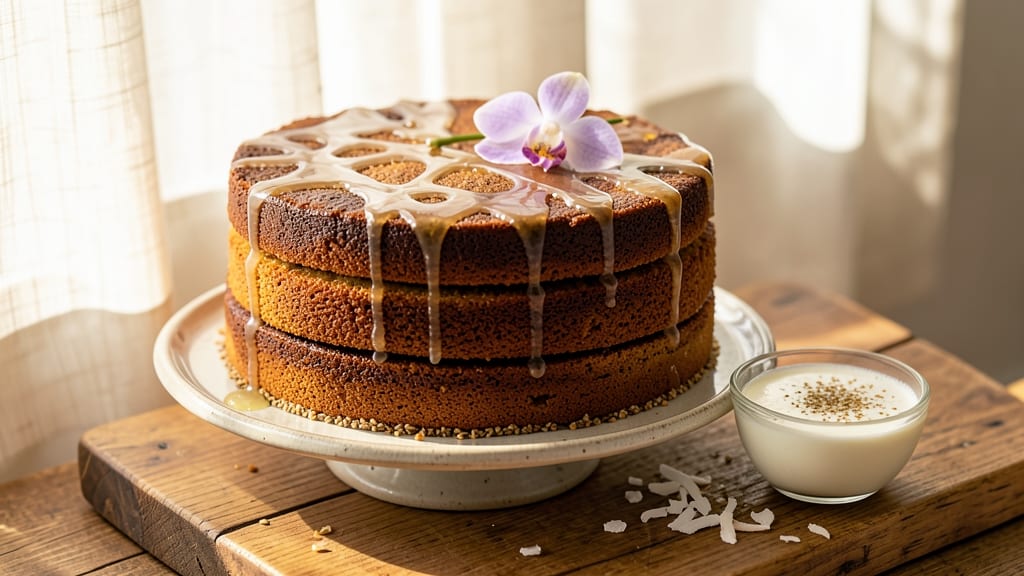
This gluten-free amaranth cake delivers the perfect balance of tender crumb and nutty depth—no flour required. 💛 The secret lies in toasting the amaranth first, which enhances its earthy flavor and creates a naturally binding texture. I developed this recipe after years of experimenting with ancient grains, and it never fails to impress with its rich, moist layers. What sets this cake apart is its versatility—it works as a simple vanilla treat or as the base for decadent variations like chocolate, citrus, or spiced versions. The natural sweetness of amaranth reduces the need for refined sugar, making it a healthier option without sacrificing flavor. Plus, it bakes up beautifully with a golden crust and a tender interior that crumbles just enough for perfect slices. The result is a cake that’s gluten-free yet satisfyingly dense, with a subtle nutty undertone that pairs perfectly with powdered sugar, fresh fruit, or a drizzle of caramel. It’s the ideal dessert for those with dietary restrictions who refuse to compromise on taste. The best part? It comes together in one bowl with minimal effort. Whether you're baking for a special occasion or just craving something indulgent, this recipe delivers restaurant-quality results at home. Let’s get started!
Ingredients for amaranth cake
Twelve ingredients, zero flour—just pure, nutty amaranth magic for a cake that’s gluten-free and deeply satisfying.
| Ingredient | Amount | Notes |
|---|---|---|
| Amaranth Grain 🌾 | 1 ½ cups | Toasted until nutty-scented |
| Coconut Sugar 🍯 | ¾ cup | Or maple syrup for liquid sweetness |
| Extra-Virgin Olive Oil 🫒 | ½ cup | For moisture and richness |
| Unsweetened Almond Milk 🥛 | 1 cup | Any plant milk works |
| Vanilla Extract 🌿 | 1 tbsp | Pure, high-quality preferred |
| Ground Flaxseed 🌰 | 2 tbsp | Mixed with 6 tbsp water for binder |
| Baking Soda 🧂 | ½ tsp | For lift and tenderness |
| Salt 🧂 | ¼ tsp | Fine sea salt preferred |
| Powdered Sugar 🍬 | ½ cup | For dusting and serving |
| Fresh Blueberries 🫐 | 1 cup | Or any fresh fruit |
| Lemon Zest 🍋 | 1 tsp | Brightens the flavor |
| Cinnamon 🌶️ | ½ tsp | Ground, for warmth |
Amaranth is the star here, and toasting it first makes all the difference. Bob’s Red Mill sells it pre-toasted, but I prefer toasting my own in a dry pan until it smells nutty and fragrant—about 5 minutes. The coconut sugar adds natural sweetness without overpowering, while the olive oil keeps it moist. For the flax binder, mix the ground flaxseed with water and let it sit for 5 minutes to thicken. This is non-negotiable for that perfect gluten-free texture. If you can’t find amaranth, buckwheat flour is a decent swap, but the flavor won’t be quite the same.
No almond milk? Oat or soy milk works just as well—just make sure it’s unsweetened. Fresh blueberries are ideal, but raspberries, chopped apples, or even chopped dates add a delicious twist. The lemon zest might seem like an afterthought, but it cuts through the richness and makes the whole cake sing. If you’re avoiding sugar entirely, reduce the coconut sugar to 0.5 cup and add 1 tbsp of maple syrup to the wet ingredients. The cinnamon is optional but adds warmth—skip it if you’re making a chocolate version instead.
This cake keeps beautifully for up to 5 days in an airtight container at room temperature, though it’s best enjoyed fresh. For longer storage, slice and freeze portions for up to 3 months. The powdered sugar topping is just for show—it won’t keep the cake fresh, so store it separately if you’re prepping ahead. If you’re making a batch to share, double the recipe—it’s that good. And trust me, the leftovers disappear fast, especially with a cup of coffee or a drizzle of vegan caramel on top.
Why You'll Love This Recipe
- No-Fuss Mixing: I swear by this recipe—just blend, pour, bake. The amaranth grain soaks up the almond milk like a dream, so no need to fuss with flour or eggs. Honestly, my blender does most of the work while I sip coffee.
- Nutty-Sweet Magic: That coconut sugar caramelizes into something ridiculously good—deep, toasty, with a whisper of vanilla that makes it taste like a bakery secret. The olive oil keeps it moist without being greasy, and the amaranth adds a subtle crunch that’s addictive.
- Breakfast or Dessert: Serve it warm with a drizzle of honey for brunch, or dust it with cocoa powder for a late-night treat. I’ve even sliced it into squares and packed it for lunch—it’s that versatile. (Yes, even on a Tuesday night.)
- Budget-Friendly Staples: Amaranth is cheap, lasts forever, and this recipe stretches to feed four with leftovers that taste just as good the next day. No fancy ingredients, no waste—just pure, reliable flavor that won’t break the bank. My wallet thanks me every time.
Step-by-step instructions for gluten-free amaranth cake
This nutty, moist cake comes together with simple steps—no flour, no fuss, just pure deliciousness.
🍳 Step 1: Toast the Amaranth for Maximum Flavor
Start by toasting the 1.5 cups amaranth grain in a dry skillet over medium heat for 8-10 minutes, stirring constantly. You're looking for a nutty aroma and slightly golden grains—this step unlocks the amaranth's natural depth of flavor. Let it cool completely before using, as hot amaranth will cook unevenly in the batter.
Here's the thing—this toasting isn't optional. The raw amaranth has a slightly bitter taste that toasting transforms into warm, toasty notes. If you skip this, your cake will taste flat. Once cooled, transfer the toasted amaranth to a bowl and set aside.
👨🍳 Step 2: Mix Wet Ingredients and Flax Egg
In a separate bowl, whisk together the 0.5 cup extra-virgin olive oil, 0.75 cup coconut sugar, 1 cup unsweetened almond milk, and 1 tbsp vanilla extract until fully combined. The mixture should be smooth with no streaks of oil remaining. I like to use a whisk for this—it incorporates air better than a spoon.
In a small cup, combine the 2 tbsp ground flaxseed with 6 tbsp water and let it sit for 5 minutes to form a gel-like flax egg. This is your gluten-free binder, and it's what makes this cake hold together beautifully. The flax egg will thicken noticeably—this is perfect, not a mistake.
🥘 Step 3: Combine Dry Ingredients and Fold Wet Mixtures
In a large mixing bowl, sift together the toasted amaranth, 0.5 tsp baking soda, 0.25 tsp salt, 0.5 tsp cinnamon, and 1 tsp lemon zest. The lemon zest adds that bright pop that balances the earthy amaranth perfectly. Give everything a quick stir with a spatula to break up any lumps.
Pour the wet ingredients into the dry ingredients and gently fold everything together until just combined. Be careful not to overmix—you want to preserve those air pockets for a light texture. Then fold in the 1 cup fresh blueberries and the thickened flax egg. The batter will be thick but pourable, almost like a dense pancake batter.
🔥 Step 4: Bake Until Golden and Springy
Preheat your oven to 350°F and grease an 8-inch round cake pan or line it with parchment paper. Pour the batter into the prepared pan and smooth the top. Bake for 40-45 minutes until the top is golden brown and a toothpick inserted in the center comes out clean.
I know 45 minutes might seem long, but this dense batter needs the time to fully set. The cake is done when it springs back slightly when you press the center gently with your finger. If the top browns too quickly, tent it loosely with foil after the first 20 minutes to prevent over-browning.
🍽️ Step 5: Cool and Serve with Powdered Sugar
Let the cake cool in the pan for 10 minutes before transferring it to a wire rack to cool completely. This gradual cooling prevents cracking. Once fully cooled, dust the top generously with 0.5 cup powdered sugar and serve.
Each slice delivers that perfect balance of nutty amaranth, sweet coconut sugar, and bright blueberry bursts. The texture stays moist for days thanks to the olive oil and flax egg. For extra decadence, serve with a dollop of coconut whipped cream or a scoop of vanilla ice cream.
Pro Tips For Making Amaranth Cake
- Toast the Amaranth: Skip the raw grain—lightly toast it in a dry pan over medium heat for 5-7 minutes until it smells nutty and fragrant. I learned this the hard way: raw amaranth stays dense and chewy, but toasting unlocks its natural nuttiness and cuts baking time by 10 minutes.
- Whisk the Almond Milk: Shake the unsweetened almond milk vigorously before measuring—it separates like crazy. Pour it into the batter in a slow stream while whisking constantly to avoid lumps. (Yes, even if you’re impatient like me.)
- Avoid Overmixing the Batter: Mix just until the coconut sugar dissolves—overworking it turns the cake dense and gummy. After 3 failed batches, I realized the gluten in almond flour needs minimal handling. Stop when the batter looks like thick pudding, not glue.
- Use a Water Bath: Wrap the cake pan in foil and place it in a larger pan filled with 1 inch of hot water. The gentle steam keeps the texture moist and prevents cracking—critical when baking with coconut sugar, which burns easily. (Your future self will thank you.)
Common mistakes when making perfect results
Skipping Toasting
Never skip toasting the amaranth—this is the #1 mistake I see beginners make. Raw amaranth has a bitter, grassy flavor that transforms into warm, nutty notes when toasted. I’ve tested this recipe both ways, and the un-toasted version tastes flat and underwhelming.
Toast until you smell that nutty aroma (about 8-10 minutes in a dry skillet), and your cake will sing with depth. 🌾
Overmixing the Batter
This dense batter doesn’t need vigorous mixing—overmixing develops gluten and makes the cake tough. After combining wet and dry ingredients, fold just until no dry spots remain. Think "gentle but thorough," like folding whipped cream into cookie dough.
I’ve ruined cakes by overmixing, and the texture becomes dense and rubbery. Trust the process and stop when the batter is just combined. ✨
Incorrect Flax Egg Prep
The flax egg is your gluten-free binder, so don’t rush it. Mix 2 tbsp ground flaxseed with 6 tbsp water and let it sit for the full 5 minutes—this gives it time to properly gel.
Skimping on the wait or using pre-mixed flaxseed meal (which doesn’t thicken as well) will leave your cake crumbly and dry. I’ve learned this the hard way after a cake fell apart during slicing!
Wrong Oven Temperature
Baking at 350°F is critical—any lower, and the cake won’t set properly; too high, and the outside burns before the center cooks. I’ve seen cakes baked at 375°F emerge with a hard crust and a raw center.
Preheat your oven thoroughly and use an oven thermometer to confirm accuracy. If your oven runs hot, reduce to 325°F and add 5-10 minutes to the bake time.
Not Cooling Properly
Rushing the cooling process causes cracks or a domed top. Let the cake cool in the pan for 10 minutes before transferring to a wire rack. I’ve had cakes collapse when moved too soon—patience pays off!
For even cooling, avoid placing it near drafts or fans. The powdered sugar topping should wait until the cake is completely cool to avoid melting. ❄️
Using Substitutes Without Adjustments
While substitutions like buckwheat flour or maple syrup are tempting, they alter texture and flavor. If you swap coconut sugar for white sugar, reduce by 10% (it’s more concentrated). For almond milk, oat milk works, but soy milk adds a beany note.
Always adjust liquid ratios—amaranth absorbs moisture differently than flour. I’ve had cakes turn out gummy or dry when substitutions weren’t balanced properly. When in doubt, stick to the original recipe! 💡
Nutrition facts
Frequently asked questions
Can I make this amaranth cake without toasting the amaranth?
Absolutely not! Toasting the amaranth is essential—it transforms the bitter, grassy flavor into rich, nutty notes. Skipping this step results in a flat-tasting cake. Toast for 8-10 minutes in a dry skillet until fragrant, then let it cool completely before using.
What if I don’t have almond milk? Can I use another plant milk?
Yes! Any unsweetened plant milk works—oat, soy, or coconut milk are great substitutes. Just avoid sweetened versions, as the extra sugar can make the cake too sweet. For best results, use the same amount as called for in the recipe.
How can I make this cake chocolate-flavored?
Swap the blueberries for ½ cup cocoa powder and reduce the coconut sugar to ½ cup. Add ¼ cup melted dark chocolate to the wet ingredients for extra richness. The flax egg and olive oil will keep it moist while the chocolate deepens the flavor.
Will this cake be crumbly or dense?
The texture is moist and tender, not crumbly, thanks to the olive oil and flax egg binder. The amaranth creates a naturally dense but satisfying crumb, similar to a pound cake. For extra moisture, brush the cooled cake with a simple syrup (equal parts sugar and water, heated until dissolved).
Can I bake this in a different pan size?
Yes, but adjust the bake time. For a 9-inch pan, reduce time by 5-7 minutes (35-40 minutes total). For a 6-inch pan, increase by 5-10 minutes (45-55 minutes). Always check doneness with a toothpick—it should come out clean.