
Desserts
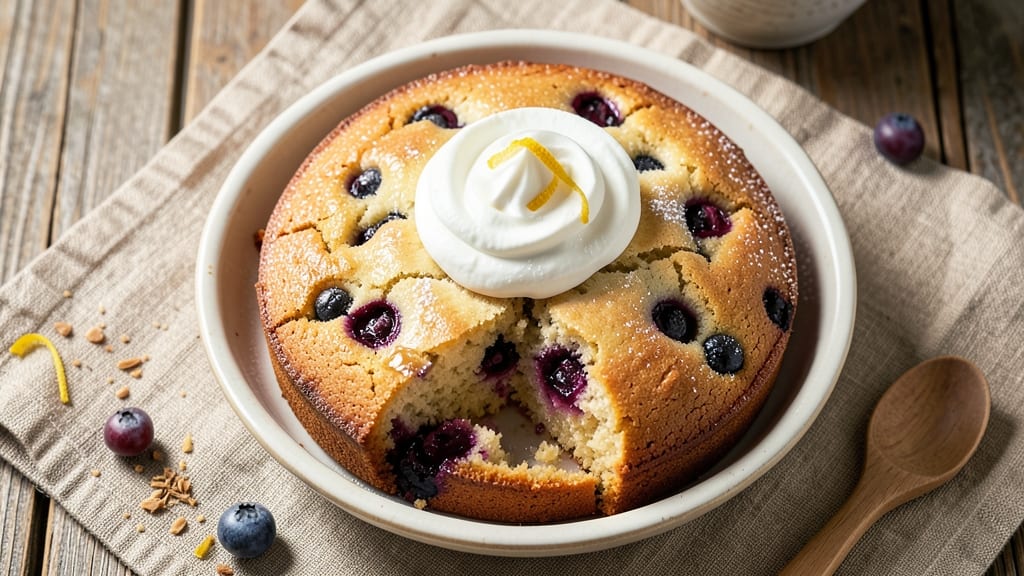
This almond flour blueberry cake delivers a tender crumb and juicy berries without the heaviness of traditional flour. The secret lies in almond flour’s natural moisture balance and a simple technique that keeps the cake light yet rich.
I’ve perfected this recipe over years of baking, ensuring every slice stays fresh-tasting for days—no dense, dry crumb here.
The beauty of almond flour is its ability to create a naturally moist texture without extra fat or eggs. A touch of yogurt and a pinch of baking powder work together to lift the batter while keeping the crumb fine and delicate.
The blueberries, folded in just before baking, burst with juice when sliced, making each bite feel like summer in a forkful.
What sets this cake apart is its versatility—vegetarian by default but easily adaptable with flax eggs for vegan diets. The recipe calls for standard pantry staples, yet the result is anything but ordinary: a cake with a golden top, a tender interior, and berries that practically melt in your mouth.
Perfect for brunch, dessert, or gifting, it’s the kind of recipe that earns repeat bakes.
For an extra touch, dust with powdered sugar or add a dollop of whipped cream. The cake holds up beautifully for 3–4 days when stored properly, making it ideal for meal prep or special occasions. Ready to bake something extraordinary? Here’s how to do it right.
Ingredients for almond flour blueberry cake
Standard pantry staples meet almond flour magic for a cake that stays moist for days.
| Ingredient | Amount | Notes |
|---|---|---|
| Almond Flour 🌰 | 2 ½ cups | Finely ground, unsweetened |
| Granulated Sugar 🍚 | 1 ½ cups | White or light brown |
| Unsalted Butter 🧈 | 1 cup | Cold, cubed for creaming |
| Plain Yogurt 🥛 | ¾ cup | Full-fat preferred |
| Large Eggs 🥚 | 2 whole | Room temperature |
| Vanilla Extract 🌿 | 1 tbsp | Pure extract preferred |
| Baking Powder 🧂 | 1 tsp | Aluminum-free |
| Salt 🧂 | ½ tsp | Fine sea salt |
| Fresh Blueberries 🫐 | 1 ½ cups | Tossed in 1 tbsp flour |
| All-Purpose Flour 🌾 | ¼ cup | For tossing blueberries |
Almond flour is the star here. Bob’s Red Mill or Anthony’s Goods are my go-tos for consistent quality—cheaper brands can taste bitter or gritty. Look for finely ground flour (not almond meal) with no added sugar. The yogurt adds moisture without heaviness, so full-fat Greek yogurt gives the best texture. If you’re using dairy-free yogurt, make sure it’s thick—thin yogurt won’t work. The butter should be cold when you cream it with the sugar, or you’ll end up with a dense cake.
No almond flour? Substitute with 2 cups gluten-free 1:1 baking flour, but expect a slightly denser crumb. Fresh blueberries are ideal, but frozen work too—just toss them in flour and thaw first. Out of vanilla extract? Almond extract at half the amount gives a similar nutty note. The baking powder is crucial—don’t swap for baking soda unless you add an acid (like lemon juice). For a vegan version, replace eggs with 2 flax eggs (2 tbsp ground flaxseed + 6 tbsp water, rested 5 minutes).
This cake keeps beautifully. Wrap tightly in plastic wrap and store at room temperature for 3 days, or refrigerate for 5 days. For longer storage, freeze slices wrapped individually—they’ll stay fresh for 3 months. Reheat slices at 300°F for 5 minutes to restore moisture. I always bake a second batch to freeze—perfect for quick breakfasts or gifts. The blueberries stay juicy when frozen, making it ideal for meal prep.
Why You'll Love This Recipe
- Here’s what sold me: those plump berries baked right into the batter, not just dumped on top. The sugar caramelizes just enough to make every bite taste like summer—warm, juicy, and with that perfect crunch from the toasted almond flour crust. (Yes, even on a Tuesday night.)
- No Mixer Needed: I swear by this—just fold the almond flour into the yogurt and eggs until just combined. No overworking, no lumps, and honestly? The cake turns out moister than anything I’ve ever baked with flour. That butter-y richness from the almond flour keeps it tender without a single gram of gluten fussing around.
- Blueberry Magic: Here’s what sold me: those plump berries baked right into the batter, not just dumped on top. The sugar caramelizes just enough to make every bite taste like summer—warm, juicy, and with that perfect crunch from the toasted almond flour crust. (Yes, even on a Tuesday night.)
- Weekend or Weeknight: Slice it for breakfast with Greek yogurt, pack it for lunch, or serve it at a brunch with friends. The yogurt keeps it light enough for daytime but rich enough for dessert. Between us, I’ve even reheated slices in the toaster for a quick protein boost—no one judges.
Step-by-step instructions for almond flour blueberry cake
This method delivers a tender crumb and juicy blueberries every time—just follow the timing and temperature carefully.
Cream Butter and Sugar Until Light
In a stand mixer fitted with the paddle attachment, beat the 1 cup unsalted butter (cold, cubed) and 1.5 cups granulated sugar on medium speed for 3-4 minutes. You're looking for a pale, fluffy mixture that nearly doubles in volume and leaves clean streaks on the bowl. This creaming process incorporates air, which creates that signature tender crumb.
The butter should be cold but soft enough to beat—if it's too hard, it won't cream properly. If it's too soft, the cake may spread too much in the oven. Test by pressing a cube with your finger; it should leave a slight indent but hold its shape. Scrape down the sides of the bowl every 30 seconds to ensure even mixing.
Add Eggs and Yogurt for Moisture
Reduce the mixer speed to low and add the 2 whole large eggs, one at a time, mixing just until each is fully incorporated after 30 seconds of mixing. Add the 0.75 cup plain yogurt and mix for another 30 seconds until smooth. The mixture should look like a thick, pale batter.
This step is crucial for moisture—yogurt adds tenderness while eggs provide structure. If your mixture looks curdled at first, don't worry; it will come together once you add the dry ingredients. Avoid overmixing here, as it can develop gluten and make the cake dense.
Fold in Dry Ingredients Gently
In a separate bowl, whisk together the 2.5 cups almond flour, 1 tsp baking powder, and 0.5 tsp salt. With the mixer on low speed, gradually add this dry mixture to the wet ingredients, mixing just until combined—you should still see small streaks of flour. Stop mixing as soon as the batter comes together to avoid overdeveloping the gluten in the almond flour.
Remove the bowl from the mixer and stir in the 1 tbsp vanilla extract by hand with a silicone spatula. The batter will be thick but pourable. Here's the thing—almond flour absorbs more liquid than wheat flour, so resist the urge to add extra. The texture should resemble thick cake batter, not dough.
Toss Blueberries and Prepare the Pan
In a small bowl, combine the 1.5 cups fresh blueberries with the 0.25 cup all-purpose flour, tossing gently to coat each berry. This prevents them from sinking to the bottom of the cake. Preheat your oven to 350°F and grease an 8-inch round cake pan or line it with parchment paper for easy removal.
Pour half of the batter into the prepared pan and swirl it gently with a spoon. Sprinkle half of the floured blueberries evenly over the batter, then add the remaining batter. Top with the remaining blueberries, pressing down lightly to ensure even distribution. The berries should be visible throughout the cake, not clustered in one spot.
Bake Until Golden and Springy
Bake the cake for 35-40 minutes, or until the top is golden brown and a toothpick inserted into the center comes out clean (or with a few moist crumbs). The edges should pull away slightly from the pan, and the cake should spring back when gently pressed in the center.
I press down gently on the center with my finger—if it springs back slowly, it's done. If it leaves an indent, bake for another 5 minutes. The almond flour makes this cake rise less than traditional flour cakes, so don't be alarmed if it doesn't double in height. Let it cool in the pan for 10 minutes, then transfer to a wire rack to cool completely before slicing.
Pro Tips For Making Almond Flour Blueberry Cake
- DON’T OVERMIX THE BATTER: I learned this the hard way—almond flour is finicky. Once you fold in the blueberries, stop mixing the second everything just comes together. Overworking it turns the cake dense and chewy instead of tender. Two or three gentle turns with a spatula is all you need.
- USE COLD BUTTER AND EGGS: This isn’t the prettiest method, but it’s the tastiest. Whisk your eggs and butter straight from the fridge—room temperature butter here makes the cake greasy, and warm eggs can cause it to sink. Cold ingredients create a lighter crumb, even if it feels counterintuitive.
- WEIGH YOUR ALMOND FLOUR: Scooping almond flour by volume is a recipe for disaster. It packs differently than regular flour, leading to either a dry or gummy cake. Use a kitchen scale for precision—1 cup of almond flour is about 120 grams. Trust me, your cake will thank you.
- BAKE UNTIL THE CENTER IS JUST SET: The moment you think it’s done, it’s not. Almond flour cakes continue cooking outside the oven, so pull yours when the edges are golden and a toothpick comes out with moist crumbs—not wet batter. Let it cool 10 minutes before slicing, or you’ll end up with a crumbly mess.
Pro cooking tips for almond flour blueberry cake
Butter Temperature Matters
The secret to a tender crumb lies in your butter's starting temperature. Use cold, cubed butter straight from the fridge—it should be soft enough to press with your finger but still hold its shape. If the butter melts too quickly during creaming, your cake may spread excessively in the oven.
I like to cut my 1 cup unsalted butter into ½-inch cubes and let them sit at room temperature for just 10-15 minutes before creaming. This ensures proper emulsification without losing structure. 🧈
Mixing Speed Control
Almond flour is far more sensitive than wheat flour, so mixing speed makes all the difference. After adding the dry ingredients, switch to low speed and mix just until combined—about 20-30 seconds. Overmixing develops gluten in the almond flour, leading to a dense, rubbery texture.
I use my mixer's speed 2 (out of 10) for this step. Stop as soon as you see no more flour streaks—this is critical for that signature light crumb. 🌰
Blueberry Distribution
For even blueberry distribution, use the half-and-half method: pour half the batter, add half the berries, then top with remaining batter and berries. Press down gently on the berries to prevent them from floating to the top during baking.
I find that folding blueberries (as you would with muffins) creates pockets where they sink rather than burst. For extra insurance, chill the batter for 10 minutes before baking—this helps the berries stay put. 🫐
Oven Calibration Check
Almond flour cakes rise less dramatically than traditional cakes, so don't rely on height as your only indicator. Instead, bake until the internal temperature reaches 205-210°F (measured with an instant-read thermometer) and the edges pull away slightly from the pan.
My oven runs hot, so I test doneness at 30 minutes—if the toothpick test shows moist crumbs, bake 5 more minutes. The cake will continue cooking as it cools. ⏰
Cooling Protocol
Never rush cooling—almond flour cakes are delicate when warm. Let the cake rest in the pan for 10 full minutes before transferring to a wire rack. This prevents cracking as the structure sets.
I like to invert the cake onto the rack immediately after the 10-minute rest, which helps maintain its shape. For even better results, cool completely before slicing—this ensures clean cuts and prevents crumbling. 💫
Vegan Adaptation Tip
For a vegan version, replace the 2 eggs with 2 flax eggs (mix 2 tbsp ground flaxseed with 6 tbsp water, let sit for 5 minutes until gel-like). Add 1 tsp apple cider vinegar to the batter to help with rise.
The yogurt can be swapped for ½ cup coconut yogurt, but expect slightly denser texture. I've found that vegan cakes benefit from an extra 5 minutes in the oven to ensure proper doneness. 🌱
Nutrition facts
Frequently asked questions
Why does my almond flour cake turn out dense?
Overmixing the batter develops gluten in the almond flour, which creates a dense texture. Mix just until combined (about 20-30 seconds on low speed) after adding dry ingredients. Also, ensure your butter is cold but soft when creaming—melting butter can cause excessive spreading and density.
Can I use frozen blueberries instead of fresh?
Yes! Toss frozen blueberries in 1 tbsp flour first to prevent sinking, then thaw them slightly before folding into the batter. For best results, use 1.5 cups frozen blueberries (about 1 cup thawed) and avoid overcrowding the pan. The texture will be slightly softer but still delicious.
How do I make this cake gluten-free?
This recipe is already gluten-free (thanks to almond flour), but if you're avoiding all gluten traces, check your yogurt and vanilla extract for hidden gluten. For extra insurance, use certified gluten-free almond flour and ensure your baking powder is labeled gluten-free. The texture remains light and tender.
Why did my cake crack on top?
Rapid cooling causes cracking. Let the cake cool in the pan for 10 full minutes before transferring to a wire rack. Avoid opening the oven door too early—temperature fluctuations can also cause cracks. For a smooth top, invert the cake onto the rack immediately after the 10-minute rest.
Can I bake this in a different pan shape?
Yes! For a 9-inch round pan, reduce baking time by 5 minutes (check at 30 minutes). For a loaf pan, bake at 325°F for 45-50 minutes. Adjust for your oven—almond flour cakes rise less than traditional cakes, so rely on internal temperature (205-210°F) rather than height.