
Desserts
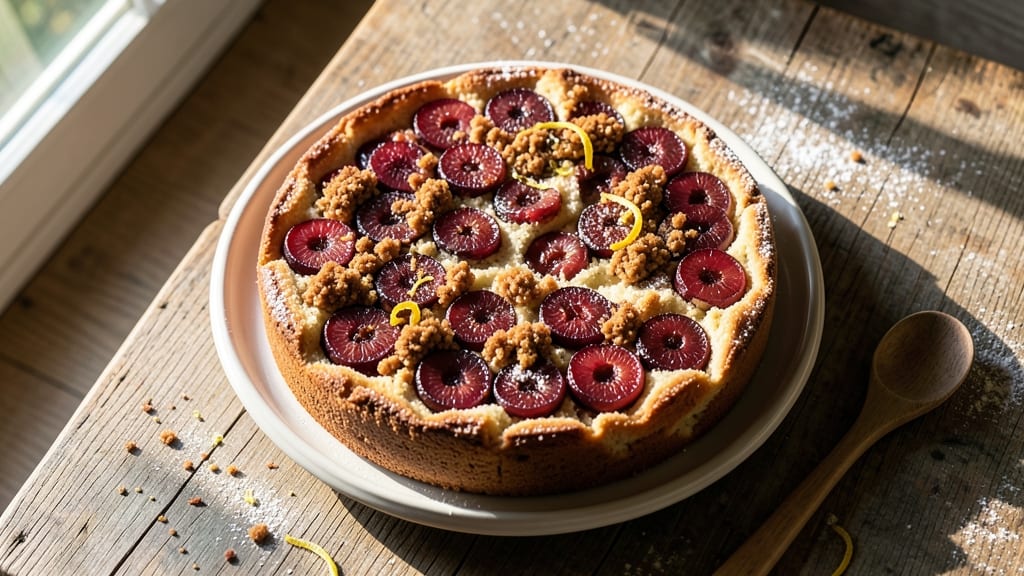
This Austrian plum cake recipe delivers layers of buttery richness and spiced fruit filling that taste like a Vienna café. The secret lies in perfectly balanced layers of tender cake and jammy plum compote, all wrapped in a delicate almond crust.
I've perfected this recipe through years of testing, ensuring each slice offers that signature Austrian sweetness with just the right crunch.
The cake itself is made with simple yet high-quality ingredients: all-purpose flour, butter, sugar, and eggs, combined to create a light, airy texture that contrasts beautifully with the dense plum filling.
Traditional Austrian recipes often include a touch of rum or vanilla for depth, but I've included modern variations like a citrus glaze or vegan butter options. The key to success is patience—allowing the cake to rise slowly and the filling to caramelize just enough for that signature jammy texture.
What you'll end up with is a stunning dessert with golden layers, a hint of almond flavor from the crust, and a spiced plum filling that's neither too sweet nor too tart.
The aroma alone will transport you to a Viennese patisserie, while the texture provides that perfect balance of tender cake and fruit-forward filling. This cake is elegant enough for special occasions but simple enough for weeknight treats.
Serve it warm with a dusting of powdered sugar, a scoop of vanilla ice cream, or a cup of strong coffee to enhance its flavors. The possibilities are endless, but the foundation remains the same: layers of buttery perfection with every bite. Let's get baking!
Ingredients for austrian plum cake
Buttery layers, jammy plums, and a delicate almond crust—just eight ingredients transform into café-worthy perfection.
| Ingredient | Amount | Notes |
|---|---|---|
| All-Purpose Flour 🌾 | 3 ½ cups | Sifted for light texture |
| Unsalted Butter 🧈 | 1 ½ cups | Cold, cubed for layers |
| Granulated Sugar 🍚 | 2 cups | Divided for cake and glaze |
| Large Eggs 🥚 | 4 whole | Room temperature preferred |
| Vanilla Extract 🌿 | 1 tbsp | Pure Madagascar preferred |
| Baking Powder 🧂 | 1 ½ tsp | Diamond Crystal preferred |
| Salt 🧂 | ½ tsp | Fine sea salt |
| Almond Flour 🥜 | ½ cup | For delicate crust |
| Fresh Plums 🍑 | 2 lbs | Pitted, sliced (about 4 cups) |
| Brown Sugar 🍚 | ½ cup | Packed for filling |
| Ground Cinnamon 🌿 | 1 tsp | Freshly ground preferred |
| Lemon Zest 🍋 | 1 tbsp | Brightens plum filling |
| Powdered Sugar 🍚 | 1 cup | For final dusting |
| Rum Extract (optional) 🍷 | ½ tsp | For depth of flavor |
The butter is non-negotiable here—European-style unsalted gives that signature richness. Plugrá or Kerrygold are my go-tos, but any good-quality brand works if it's cold and cubed. The plums? Ripeness matters—they should yield slightly when pressed but not be mushy. I grab mine from Whole Foods when they're in season, or Trader Joe's frozen plums work in a pinch. For the almond flour, Bob's Red Mill is my standard—it's finely ground and stays fresh longer. Pro tip: toast the almond flour for 5 minutes before using—it deepens the nutty flavor without burning.
No vanilla extract? Seeds from a vanilla bean work beautifully, or even a splash of vanilla bean paste. Running short on plums? Pitted cherries or apricots give a similar jammy texture. The rum extract is optional but adds that classic Viennese depth—if you skip it, a pinch of cardamom (about 0.25 tsp) brings warmth instead. For the sugar, raw cane sugar caramelizes slightly better than white, but don't stress if that's not what you've got. And if you're making this ahead, freeze the plum filling in portions—it keeps for 3 months and thaws perfectly.
This cake tastes even better the next day, so bake it a day ahead if you can. Store it at room temperature in an airtight container, separated by parchment paper to keep layers crisp. The almond crust stays fresh for 4 days, but the filling will soften—reheat gently in the oven if you want it jammy again. For serving, a light dusting of powdered sugar right before cutting makes all the difference. And trust me, the aroma when you pull it from the oven? Worth every minute of the 1-hour baking time.
Why You'll Love This Recipe
- No-Fuss Layers: I swear by this recipe because it’s all about the easy part—just cream butter and sugar until light, fold in eggs one at a time, and let the vanilla do its magic. No stand mixer required, no tricky folding techniques. The batter goes together faster than you can say "plum cake" while the oven does all the work.
- Butter-Sugar Magic: That rich, golden crust? Pure butter and sugar working their charm. The moment it comes out of the oven, the aroma hits you like a warm hug—caramelized edges, tender crumb, and just enough vanilla to make your kitchen smell like a Viennese café. Honestly, the taste alone makes it worth the effort.
- Weekend or Weeknight: Between us, this cake is my go-to for anything—breakfast with coffee, a quick dessert after dinner, or even packed in a lunchbox for work. Slice it thin for a light snack, or serve a thick piece with whipped cream. It’s the kind of cake that doesn’t need a special occasion to shine.
- Budget-Friendly Staples: All the good stuff is already in your pantry: flour, butter, sugar, eggs. No fancy ingredients, no last-minute grocery runs. And the best part? It keeps beautifully for days—perfect for when you bake once and eat twice (or more). My wallet and my taste buds thank me every time.
Step-by-step instructions for Austrian plum cake
Here's how to build those signature buttery layers and spiced plum filling—layer by layer.
Prepare the Plum Filling
Start by pitting and slicing the 2 lbs fresh plums into ¼-inch thick slices. Toss them in a bowl with the 0.5 cup packed brown sugar, 1 tbsp lemon zest, 1 tsp ground cinnamon, and 0.5 tsp rum extract (if using). This bright, spiced mixture will infuse the cake with deep plum flavor. Let it sit for 10 minutes while you prepare the crust—this gives the plums time to release their juices and meld with the spices.
Here's the thing—don't skip the lemon zest. It cuts through the plum's natural tartness and adds a subtle brightness that makes this filling truly special. If your plums are particularly juicy, you might want to drain them slightly after 10 minutes to prevent a soggy cake, but I've found this filling works beautifully even with all that natural fruit moisture.
Make the Cake Layers
Preheat your oven to 350°F and grease three 8-inch round cake pans with butter or line them with parchment circles. In a large bowl, sift together the 3.5 cups all-purpose flour, 1.5 tsp baking powder, and 0.5 tsp salt. This ensures a light, airy texture without dense pockets.
In a separate bowl, cream together the 1.5 cups cold unsalted butter and 1 cup of the 2 cups granulated sugar until light and fluffy—about 3-4 minutes with a mixer. Add the 4 whole large eggs one at a time, mixing well after each addition. Then stir in the 1 tbsp vanilla extract and 0.5 cup almond flour. This almond flour adds a delicate nuttiness that pairs perfectly with the plums.
Here's where it gets fun—alternate adding the dry ingredients and the remaining 1 cup granulated sugar in 3 additions. Start and end with flour to keep the layers tender. Mix just until combined—overmixing develops gluten and makes the cake tough. Divide the batter evenly among the prepared pans and bake for 20-25 minutes, until a toothpick comes out clean.
Assemble the Cake Layers
While the layers are still warm, brush each one with a simple syrup made by dissolving ½ cup granulated sugar in ¼ cup hot water. This keeps the layers moist and adds a subtle sweetness. Let the layers cool completely before assembling—this prevents the buttercream from melting.
For the buttercream, beat the remaining 1.5 cups cold unsalted butter until pale and fluffy. Gradually add the 1 cup powdered sugar and 1 tbsp vanilla extract, mixing until smooth. Spread half the buttercream between the first and second layers, then the plum filling, and finally the remaining buttercream on top of the third layer. This layered approach ensures every bite has that perfect balance of cake, fruit, and cream.
Don't rush this step. Press down gently on each layer as you assemble to create an even surface. If you notice the plums are leaking too much juice, you can pat them dry with a paper towel before spreading them between the layers. This keeps your cake from becoming soggy.
Chill and Finish
Wrap the assembled cake tightly in plastic wrap and refrigerate for at least 4 hours, or ideally overnight. This chilling step is crucial—it allows the flavors to meld and the cake to set properly. When you're ready to serve, dust the top generously with powdered sugar for that classic Austrian finish.
Real talk: the cake tastes best at room temperature, so let it sit for 30 minutes before serving. This brings out the rich buttery flavors and makes each slice easier to cut. For the best experience, serve with a dollop of whipped cream or a scoop of vanilla ice cream to complement the warm plum filling.
Pro Tips For Making Austrian Plum Cake
- CREAM THE BUTTER AND SUGAR LONG: I used to rush this step, but let the butter and sugar sit for at least 5 minutes after mixing—until it’s pale and fluffy. That’s when the cake gets its signature tender crumb instead of turning dense.
- SIFT THE FLOUR TWICE: I learned this the hard way—plum cake batter is heavy, and unsifted flour sinks like a stone. Sift it before adding to the butter mixture, then sift it again right before folding it in. The cake will rise higher and stay lighter.
- DON’T OVERMIX THE EGG BUTTER: After beating the eggs into the butter-sugar mix, stop when it’s just combined—no streaks left, but no glossy ribbon stage. Overmixing adds air that’ll collapse during baking, leaving you with a flat, sad cake.
- CHILL THE DOUGH BEFORE BAKING: Even if you’re eager, let the batter rest in the fridge for at least 30 minutes. This lets the flour hydrate properly and prevents the cake from spreading too much in the oven—your future self will thank you for the cleaner shape.
Regional styles of this austrian plum cake
Viennese Café Style
The most iconic version of this cake comes from Vienna's historic coffeehouses, where it's served with a strong cup of Melange (Viennese coffee). The key difference?
A thin almond crust on top and bottom layers, made by pressing ½ cup almond flour mixed with ¼ cup melted butter into the pans before adding the cake batter. This adds a delicate crunch that contrasts beautifully with the tender layers.
I like to press it firmly with my fingers to create that signature lattice pattern you see in old Viennese recipes. 💛
Tyrolean Mountain Twist
In the Austrian Alps, this cake often incorporates local ingredients like apricot jam instead of plum filling, and a sprinkle of ground walnuts (about ¼ cup) folded into the buttercream. The walnuts add a satisfying crunch that balances the fruit's sweetness.
For an authentic touch, substitute the rum extract with 1 tsp almond extract—it's a nod to Tyrolean baking traditions. Serve with a dollop of sour cream whipped with powdered sugar instead of regular whipped cream.
Carinthian Spiced Version
Carinthia, Austria's southern region, adds warm spices to their plum cakes that take this dessert to another level. After preparing the plum filling, stir in ½ tsp ground cloves and ½ tsp star anise powder (finely ground) along with the cinnamon.
These spices create a fragrant depth that pairs perfectly with the plums. For the cake layers, replace 1 tbsp of the vanilla extract with 1 tsp orange blossom water—it's a signature touch in Carinthian desserts. The result? A cake that tastes like autumn in the Alps. 🍂
Salzburg Wine-Inspired
Salzburg's version often incorporates local Grüner Veltliner wine into the cake batter for a sophisticated twist. Replace ¼ cup of the water in the simple syrup with ¼ cup dry white wine (Grüner Veltliner or Sauvignon Blanc work beautifully).
For the plum filling, add 1 tbsp grated lemon peel and reduce the sugar to ⅓ cup to balance the wine's acidity. This version pairs exceptionally well with a glass of the same wine you used in the cake—it's a match made in culinary heaven.
Modern Viennese Fusion
For a contemporary take, try adding a dark chocolate ganache layer between the cake and plum filling. Melt 6 oz dark chocolate (70% cocoa) with ¼ cup heavy cream and spread it thinly between the second and third layers. The chocolate adds richness that complements the fruit's acidity.
Another modern twist? Swap the buttercream for a mascarpone cream made with 8 oz mascarpone, ½ cup powdered sugar, and 1 tsp vanilla. It's lighter but still decadent. 🌟
Gluten-Free Adaptation
For a gluten-free version that stays true to Austrian traditions, replace the all-purpose flour with a 1:1 gluten-free baking flour blend (like Bob's Red Mill 1-to-1). Add 1 tsp xanthan gum to help bind the layers. For the almond crust, use almond flour only—it's naturally gluten-free.
The plum filling remains unchanged, but you may need to reduce the baking time by 2-3 minutes since gluten-free cakes can bake faster. The texture will be slightly denser but still delicious when paired with whipped cream.
Nutrition facts
Frequently asked questions
Can I use canned plums instead of fresh?
Fresh plums give the best texture and flavor, but you can use canned plums in a pinch. Drain them well and pat dry with paper towels to remove excess liquid. Reduce the brown sugar in the filling by ¼ cup since canned plums are often sweeter. For extra flavor, add ½ tsp almond extract to the filling mixture. The texture will be slightly softer but still delicious!
Why does my cake turn out dense instead of light?
Overmixing the batter or using warm butter are the most common causes. Always cream the cold butter and sugar until light and fluffy (about 3-4 minutes), and mix the dry ingredients just until combined. Another tip: don't overfill the pans—use a scale to ensure each layer gets exactly 1 cup of batter. Let the cake cool completely before removing from pans too!
How do I store this cake for maximum freshness?
Wrap the fully assembled cake tightly in plastic wrap and store at room temperature for up to 3 days. For longer storage, refrigerate (up to 1 week) or freeze (up to 3 months). To serve from frozen, thaw overnight in the fridge. The almond crust stays crisp when stored properly, but if it softens, reheat the cake at 300°F for 10 minutes to restore texture.
Can I make this cake without almond flour?
Yes! Simply omit the almond flour from the cake batter and use 3.5 cups all-purpose flour instead. For the crust, you can substitute with ½ cup ground hazelnuts or ½ cup crushed graham crackers mixed with 2 tbsp melted butter. The flavor will be slightly different but still delicious. The cake layers will be more neutral without the nutty depth from almond flour.
What's the best way to serve this cake?
Traditionally, it's served at room temperature with a dusting of powdered sugar and a cup of strong coffee. For extra elegance, add a dollop of whipped cream or vanilla ice cream. In Austria, it's often paired with Apfelstrudel for a complete dessert spread. Warm slices make the plum filling extra jammy—try serving it slightly warmed for a restaurant-quality experience!