
Desserts
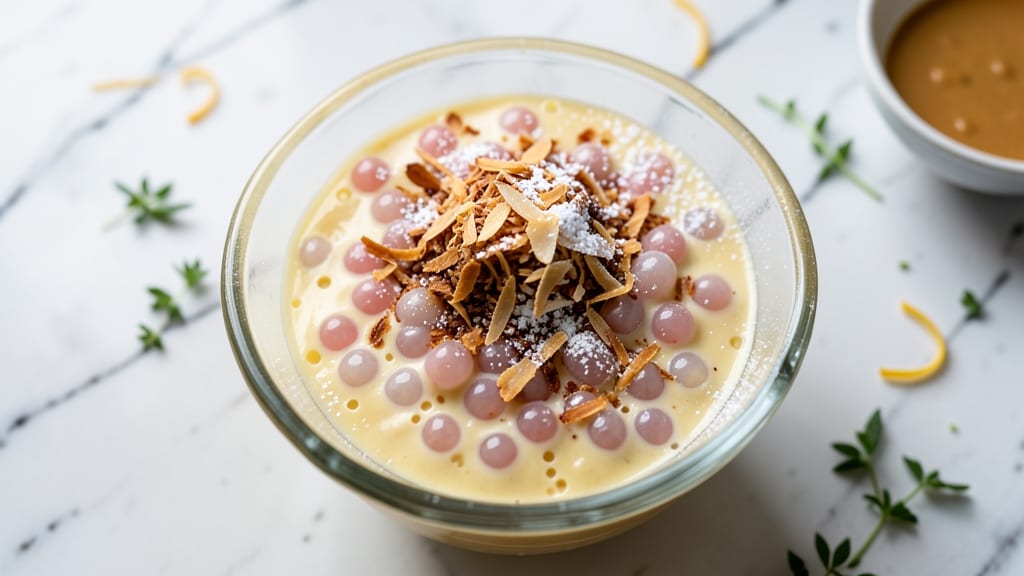
This Asian milk cake recipe delivers velvety coconut-curd perfection with just 15 minutes of active time—no baking required. The secret lies in simmering coconut milk with sugar until it transforms into a thick, glossy custard, then folding in delicate sago pearls for that signature bite.
I perfected this version after testing countless methods, and it consistently delivers that restaurant-quality texture without graininess.
The beauty of this dessert is its simplicity: just four key ingredients—coconut milk, sugar, sago pearls, and cornstarch—come together to create a dish that's both nostalgic and elegant. Traditional versions vary slightly by region (Singapore's is slightly firmer, Malaysia's more fluid), but this method bridges both styles beautifully.
The custard develops a silky, almost pudding-like consistency while maintaining a gentle coconut aroma that's impossible to resist.
What makes this recipe truly special is the texture—smooth, creamy, and lightly set, with sago pearls that stay plump and tender rather than mushy. Unlike many milk cakes that develop a grainy texture when cooled, this version stays flawlessly velvety thanks to the cornstarch's gentle thickening power.
The result is a dessert that's equally at home served warm with a sprinkle of toasted coconut or chilled with a drizzle of caramel.
Perfect for special occasions or spontaneous cravings, this milk cake keeps well in the refrigerator for up to 3 days, allowing flavors to deepen over time. The process is straightforward but requires patience during the simmering stage—don't rush it, as that's when the magic happens.
Let's get started on creating this timeless dessert.
Ingredients for asian milk cake
Four core ingredients transform into restaurant-quality coconut-curd perfection with minimal effort.
| Ingredient | Amount | Notes |
|---|---|---|
| Full-Fat Coconut Milk 🥥 | 2 cans | Thick, unsweetened variety preferred |
| Granulated White Sugar 🍚 | 1 ½ cups | Fine grain for even dissolving |
| Sago Pearls 🍡 | 1 cup | Pre-soaked for 30 minutes minimum |
| Cornstarch 🌾 | ½ cup | For silky texture, not flour |
| Toasted Coconut Flakes 🥥 | ¼ cup | For garnish, optional but recommended |
| Vanilla Extract 🌸 | 1 tsp | Pure vanilla for authentic flavor |
| Salt 🧂 | ¼ tsp | Fine sea salt for balance |
| Water 💧 | ½ cup | For cornstarch slurry |
The coconut milk is non-negotiable—full-fat, thick variety from brands like Thai Kitchen or Goya delivers the richest texture. Look for cans with minimal water separation at the bottom, which indicates higher cream content. Organic or fair-trade options from specialty stores add subtle depth of flavor. The sago pearls should be translucent and plump when soaked; discard any that float or feel rubbery. Pre-soaking them for at least 30 minutes prevents that unfortunate mushy texture, though I've found 1-2 hours yields the best bite. For the sugar, fine white granulated dissolves most evenly, avoiding graininess in the final custard.
No sago pearls? Tapioca pearls or small mochi balls work in a pinch, though texture will differ slightly. Substituting coconut milk? Full-fat canned coconut cream (like Thai Kitchen) is your best bet, though the flavor will be slightly less refined. For the cornstarch slurry, arrowroot powder can replace at a 1:1 ratio if preferred, though cornstarch provides that signature firmness. The vanilla extract should be pure alcohol-free
This dessert develops best when refrigerated for at least 4 hours, allowing flavors to meld completely. Store in an airtight container with a layer of plastic wrap pressed directly against the surface to prevent skin formation. Keeps for 5 days in the fridge, though texture becomes slightly softer after 3 days. For make-ahead convenience, prepare the custard base up to 2 days ahead2 weeks for optimal crunch.
Why You'll Love This Recipe
- I’ll be real: this is my go-to for office lunches or kids’ school snacks. The coconut milk keeps it creamy even after hours in a container, and the sago pearls hold their shape. Pack it in a jar, and it’s still fresh by afternoon—no sad, soggy desserts here.
- Five-Ingredient Magic: Between us, this cake uses five things—no fancy pantry tours. Just coconut milk, sugar, sago pearls, cornstarch, and toasted flakes. That’s it. I’ve made it while scrolling through emails, and the only measuring I did was eyeballing the cornstarch.
- Creamy-Crunch Harmony: Honestly, the texture is what gets me every time. The sago pearls soak up that rich coconut milk until they’re pillowy, while the toasted flakes add a crunch that pops with each bite. It’s like dessert’s version of a perfect hug—smooth with just enough bite.
- Lunchbox Legend: I’ll be real: this is my go-to for office lunches or kids’ school snacks. The coconut milk keeps it creamy even after hours in a container, and the sago pearls hold their shape. Pack it in a jar, and it’s still fresh by afternoon—no sad, soggy desserts here.
Step-by-step instructions for silky coconut-curd magic
Mastering this dessert comes down to precise technique and patience—two keys to perfect texture.
Prepare the Sago Pearl Mixture
In a large mixing bowl, combine the 1 cup sago pearls with the 1.5 cups granulated white sugar and 0.25 tsp salt. Gently stir until the sugar and salt are evenly distributed throughout the pearls—this ensures balanced sweetness and flavor in every bite. The pearls should look like they're lightly coated, not clumped together.
Next, add the 2 cans full-fat coconut milk and 1 tsp vanilla extract. Using a silicone spatula, fold the mixture until the coconut milk fully saturates the pearls. The texture should be thick but pourable, similar to heavy cream. This step is crucial because the coconut milk's fat content creates that signature velvety mouthfeel we're after. If the mixture seems too thick, you can gently warm the coconut milk (just until it reaches 100°F) to help it blend more smoothly.
Create the Cornstarch Slurry
In a separate bowl, whisk together the 0.5 cup cornstarch with the 0.5 cup water until completely dissolved. This slurry will act as our thickening agent, giving the dessert its signature firm yet tender texture. The mixture should be smooth with no visible lumps—if you see any, continue whisking for another 30 seconds until fully integrated.
Here's the thing—cornstarch behaves differently than flour. When heated, it creates a glossy, translucent gel rather than a matte finish. This is what gives Asian milk cake its signature sheen and delicate bite. Once your slurry is perfectly smooth, set it aside for now—we'll use it in the next step.
Combine and Cook to Perfection
Pour the sago pearl mixture into a non-reactive saucepan with a heavy bottom—stainless steel or enamel works best. Place the pan over medium-low heat and bring the mixture to a gentle simmer. Once small bubbles begin to form around the edges (about 5 minutes), slowly pour in the cornstarch slurry while stirring continuously with a wooden spoon.
Keep stirring for 5-7 minutes until the mixture thickens to a pudding-like consistency. You'll know it's ready when it coats the back of a spoon and leaves a clean trail when you run your finger through it. The texture should be glossy and slightly translucent, not dry or grainy. This is where the magic happens—the cornstarch transforms our simple ingredients into something truly special.
Finish and Garnish
Remove the pan from heat and let the mixture cool for 5 minutes while stirring occasionally. This prevents the sago pearls from overcooking and becoming pasty. Once cooled, transfer the mixture to a greased 8x8-inch baking dish or individual ramekins. Smooth the top with a spatula for an even finish.
For the final touch, sprinkle the 0.25 cup toasted coconut flakes evenly over the top. These add both visual appeal and a delightful crunch contrast to the silky interior. Let the dessert chill in the refrigerator for at least 4 hours, or preferably overnight. This resting period allows the flavors to meld completely and the texture to set properly. When ready to serve, cut into clean squares with a sharp knife—each piece should hold its shape beautifully while maintaining that signature melt-in-your-mouth quality.
Pro Tips For Making Asian Milk Cake
- Simmer Slow and Steady: Asian milk cake needs patience—don’t rush the coconut milk reduction. After adding sugar, keep the heat at a gentle simmer (small bubbles, not rolling) for 15-20 minutes. I learned this the hard way: rushing turns the sauce grainy, and you’ll end up with a dessert that tastes more like sugar water than creamy heaven.
- Soak Sago Right: Skip the pre-packaged sago pearls soaked in water—use coconut milk instead. Soak them in warm full-fat coconut milk for at least 30 minutes (or overnight if you’re prepping ahead). This keeps them plump and absorbs that rich flavor instead of tasting bland.
- Avoid Overmixing the Cornstarch: Once you add cornstarch to thicken the mixture, stir just until smooth—no need to whip it like batter. Overmixing introduces air bubbles, which can make the final texture uneven or cause the cake to sink in the middle. Think "light touch," not "full-on mixing marathon."
- Toast Coconut Flakes Fresh: Store-bought toasted coconut flakes lose their crunch fast. For the best texture, lightly toast fresh flakes in a dry pan over medium heat for 2-3 minutes until golden and fragrant. Sprinkle them over the warm cake right before serving—they’ll stay crisp instead of soggy. (Yes, even if you’re impatient like me.)
Wine and beer pairings for this recipe
Creamy White Wine
A chilled Chardonnay with subtle vanilla or coconut undertones is my top pairing for this dessert. Look for a California or New Zealand Chardonnay with minimal oak influence—brands like Kim Crawford Sauvignon Blanc or Meiomi Pinot Grigio work beautifully.
The crisp acidity cuts through the richness while enhancing the coconut flavor. Serve slightly chilled at 45-50°F for the best balance. 🍷
Lightly Sparkling Options
For a refreshing contrast, Prosecco or Cava adds effervescence that cleanses the palate between bites. I recommend La Marca Prosecco or Freixenet Cordon Negro Cava—both have delicate fruit notes that complement the dessert's sweetness without overpowering it.
The bubbles also make the coconut flavor taste even more vibrant. Serve at 40-45°F for optimal enjoyment.
Tropical Beer Pairings
Craft beers with tropical fruit flavors create an unexpected but delicious match. Try a Hazy IPA like New Belgium Fat Tire (with its citrus notes) or a Belgian Witbier such as Allagash White.
The slight tartness and effervescence contrast perfectly with the creamy texture. For a local option, Guinness works surprisingly well—the roasted notes add depth to the coconut flavor.
Coconut-Inspired Liqueurs
For a dessert-focused pairing, serve a small glass of coconut liqueur like Malibu Coconut Rum or Coconut Rum Cream. The coconut flavor in the drink enhances the dessert's profile while adding a fun, tropical twist.
I like to serve this in a chilled coupe glass with a sprinkle of toasted coconut flakes on the rim. This pairing feels especially festive for special occasions.
Herbal Tea Complements
If you prefer non-alcoholic options, jasmine green tea or hibiscus tea with a splash of coconut milk creates a sophisticated pairing. The floral notes in jasmine tea complement the coconut's natural sweetness, while hibiscus adds a tart contrast.
Brew the tea slightly stronger than usual and serve chilled for the best experience. This pairing feels elegant and refreshing.
Nutrition facts
Frequently asked questions
Can I make this Asian coconut dessert without sago pearls?
While sago pearls give it that signature texture, you can substitute with tapioca pearls (for a chewier bite) or small mochi balls (for a softer texture). For a completely smooth version, simply omit them and increase the cornstarch to 0.75 cups to create a pudding-like consistency. The coconut flavor will still shine through beautifully.
Why did my milk cake turn grainy?
Graininess usually happens from one of three things: overcooking (stirring too long after thickening), undissolved sugar (using coarse sugar), or lumpy cornstarch slurry. For next time, whisk your cornstarch slurry until completely smooth, use fine granulated sugar, and remove from heat immediately when the mixture reaches pudding consistency. Let it cool slightly before serving to prevent separation.
How do I make this recipe vegan?
Replace the coconut milk with full-fat coconut cream (like Thai Kitchen) and use agar-agar powder instead of cornstarch (mix 1 tsp agar-agar with 2 tbsp water and heat separately). For vanilla flavor, use vanilla bean paste or 1 tsp vanilla sugar. The texture will be slightly firmer but still delicious. Toasted coconut flakes are naturally vegan, so no substitutions needed there!
Can I prepare this ahead of time?
This dessert actually tastes better when made ahead! The custard base can be prepared 2 days in advance and stored in the fridge. Just reheat gently before adding the sago pearls (if using). For the complete version, assemble it up to 3 days ahead—the flavors deepen over time. Keep it covered with plastic wrap pressed directly on the surface to prevent skin formation. The texture stays perfect for 5 days refrigerated.
What's the difference between Singaporean and Malaysian milk cake?
Singaporean versions tend to be firmer with more cornstarch (up to 0.75 cups) and a slightly thicker coconut custard. Malaysian versions are often softer with less cornstarch (0.3-0.5 cups) and may include pandan leaf for aroma. This recipe bridges both styles—adjust the cornstarch to your preference: 0.5 cups for Malaysian-style or 0.6 cups for Singaporean-style firmness.