
Desserts
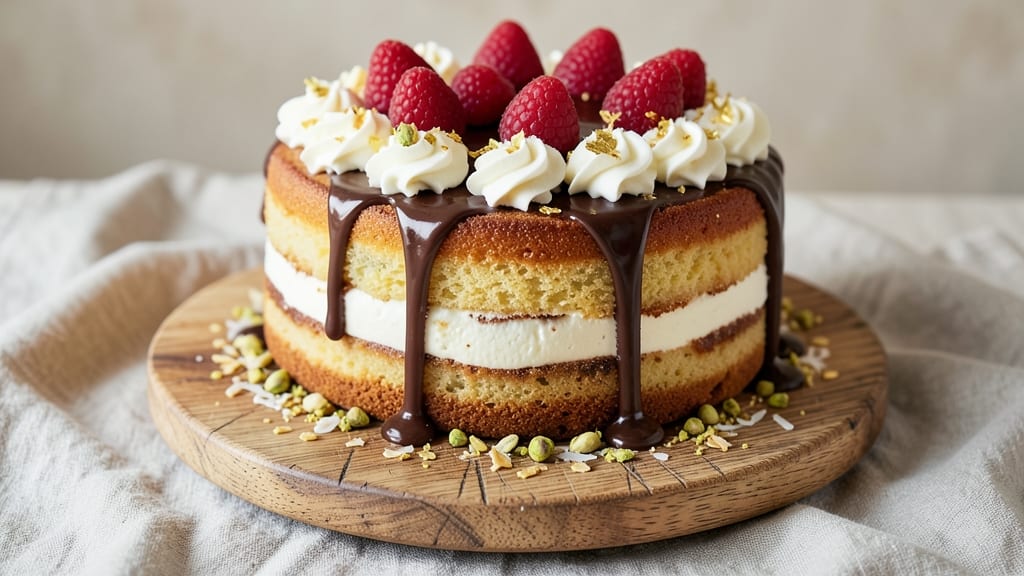
This Asian butter cake recipe delivers the perfect balance of rich, buttery layers and bright citrus zest that keeps every slice moist for days. 💛 The secret lies in a simple yet effective technique: combining traditional butter cake fundamentals with a touch of Asian-inspired flavor—just enough to elevate without overpowering the classic texture.
What makes this recipe stand out is its foolproof method for achieving that signature tender crumb and golden crust. We use a combination of butter and oil for maximum moisture, while a splash of citrus zest adds a refreshing twist that cuts through the richness.
The cake bakes in just 25-30 minutes at 350°F, ensuring a perfect rise every time.
Once baked, you'll have a cake that's impossibly light yet sturdy enough to hold your favorite frosting or filling. The citrus notes infuse the butter layers, creating a subtle tang that makes each bite feel special.
Whether you top it with classic buttercream, tangy jam, or even a tropical coconut glaze, this cake becomes the star of any dessert table.
Perfect for celebrations or a simple treat, this recipe scales beautifully—ideal for birthdays, holidays, or whenever you crave a cake that's both comforting and unexpectedly sophisticated. Let's get started on creating your next showstopper dessert.
Ingredients for asian butter cake
Rich butter and citrus zest create this showstopper cake that stays moist for days.
| Ingredient | Amount | Notes |
|---|---|---|
| Unsalted Butter 🧈 | 1 cup | Cold, cubed for best texture |
| Vegetable Oil 🫒 | ½ cup | Light, neutral flavor preferred |
| Granulated Sugar 🍚 | 2 cups | White or light brown |
| Large Eggs 🥚 | 3 whole | Room temperature for even mixing |
| All-Purpose Flour 🌾 | 2 cups | Sifted, spooned and leveled |
| Baking Powder 🍞 | 2 tsp | Freshly opened for lift |
| Salt 🧂 | ½ tsp | Fine sea salt preferred |
| Lemon Zest 🍋 | 1 tbsp | Bright, organic preferred |
| Orange Zest 🍊 | 1 tbsp | Freshly grated for aroma |
| Vanilla Extract 🌿 | 1 tbsp | Pure Madagascar preferred |
| Whole Milk 🥛 | ½ cup | Room temperature for blending |
| Cornstarch 🌾 | 1 tbsp | For extra tender crumb |
The butter makes or breaks this cake—European-style or Land O'Lakes both work wonderfully. Grab it cold from the fridge and cube it yourself (the pre-sliced packs melt too fast). For the citrus zest, organic lemons and oranges from the store's produce section yield the brightest flavor. If you're feeling fancy, grab a microplane—it makes zesting a breeze. The vanilla extract? Madagascar bourbon is my go-to for that deep, aromatic punch, but pure vanilla works too.
No vanilla extract? Vanilla bean paste or even a scraped vanilla bean works in a pinch. Running low on butter? Coconut oil can replace half the butter (use 0.25 cup), but the texture will be slightly denser. For the flour, King Arthur or Gold Medal are my pantry staples—they bake consistently. No sifter? Just whisk the flour with the baking powder and salt in a bowl to break up any lumps. The cornstarch is non-negotiable for that signature tender crumb—it's what makes this cake feel luxurious.
Store any leftovers in an airtight container with a slice of bread to keep them soft—3-4 days in the fridge. For longer storage, wrap tightly in plastic and freeze for up to 3 months. The cake reheats beautifully in the oven at 300°F for 10 minutes—perfect for serving warm with ice cream. Pro tip: Make a double batch and freeze half for birthdays—thaw overnight and no one will know it's not fresh!
Why You'll Love This Recipe
- The secret’s in the ratio: equal parts butter and oil, plus that caramelized sugar? It’s dangerously tender with a whisper of toasted sweetness. Honestly, I’ve tried lighter cakes, but this one stays the star.
- No Fuss, One Bowl: Mixing this cake is like adulting on autopilot—just cream butter and sugar, crack eggs, fold in flour. No sifting, no extra bowls, no stress. That rich combo of butter and oil keeps it moist without fighting you.
- Butter-Sugar Magic: The secret’s in the ratio: equal parts butter and oil, plus that caramelized sugar? It’s dangerously tender with a whisper of toasted sweetness. Honestly, I’ve tried lighter cakes, but this one stays the star.
- Party in a Box: Slice it for a potluck, cube it for icebox cake, or serve it plain with tea—it’s the crowd-pleaser that doesn’t need fancy toppings. My in-laws still ask for the recipe years later, and it’s always the first to disappear.
Step-by-step instructions for Asian butter cake
This method delivers melt-in-your-mouth texture with vibrant citrus notes—trust the process!
👨🍳 Step 1: Whisk Wet Ingredients to Perfect Consistency
In a large mixing bowl, combine the 1 cup unsalted butter and 0.5 cup vegetable oil over a double boiler (bowl set over simmering water) or microwave in 30-second intervals until completely melted. Let cool slightly—it should be warm but not hot to the touch. This prevents scrambling when you add the eggs.
In a separate bowl, whisk together the 3 whole large eggs, 2 cups granulated sugar, 1 tbsp vanilla extract, 1 tbsp lemon zest, and 1 tbsp orange zest until the mixture is pale, thick, and nearly doubled in volume. This creaming process incorporates air for that signature light texture. I like to use a stand mixer here for about 3-4 minutes on medium speed—you'll see ribbons form when you lift the whisk.
👨🍳 Step 2: Combine Wet and Dry Ingredients Gently
Gradually add the melted butter mixture to the egg mixture while mixing on low speed. This prevents the sugar from crystallizing and ensures even distribution of the citrus zest. Once fully combined, sift in the 2 cups all-purpose flour, 2 tsp baking powder, 0.5 tsp salt, and 1 tbsp cornstarch all at once.
Mix on low speed just until combined—you should still see some flour streaks. Overmixing develops gluten and makes the cake dense. Gently fold in the 0.5 cup whole milk using a spatula until smooth. The batter should be thick but pourable, like heavy pudding. Here's the thing—don't worry if it looks slightly curdled; the heat of baking will smooth everything out beautifully.
🔥 Step 3: Bake in Prepared Pans for Even Rise
Preheat your oven to 350°F and grease two 8-inch round cake pans generously with butter and flour, or line them with parchment paper. Divide the batter evenly between the pans. Tap each pan firmly on the counter 3-4 times to remove any air bubbles—this ensures a smooth top. Bake for 25-30 minutes until a toothpick inserted in the center comes out clean and the edges are golden.
I know it seems like too much batter for those pans, but trust me—the recipe is designed this way to create a tall, moist cake with a tender crumb. If the top browns too quickly, tent the pans with aluminum foil after 20 minutes to prevent over-browning while allowing the center to cook through. The cake is done when it springs back gently when pressed in the center.
⏰ Step 4: Cool and Layer for Maximum Moisture
Remove the cakes from the oven and let them cool in the pans for 10 minutes. Then invert them onto a wire rack to cool completely. Here's where the magic happens: once fully cooled, place one cake layer on a serving plate and spread a thin layer of 1 cup unsalted butter, softened, over the top. This butter layer is what makes Asian butter cakes so incredibly moist.
Repeat with the second layer, then press gently to create a perfect dome shape. Wrap the entire cake tightly in plastic wrap and refrigerate for at least 2 hours (overnight is even better). This chilling step ensures clean slices and prevents the cake from drying out. When you're ready to serve, slice with a sharp knife dipped in hot water for beautifully clean cuts.
Pro Tips For Making Asian Butter Cake
- Melt Butter Slowly: I learned this the hard way—dumping cold butter straight into the hot sugar mix makes the batter seize up. Instead, melt the butter first (just until it turns liquid, not brown), then cool it to room temperature before mixing. That way, your batter stays smooth and doesn’t turn into a lumpy mess.
- Use Room-Temp Eggs: Cold eggs from the fridge will make your batter look like it’s fighting you. Let them sit out for 30 minutes before cracking them in—this keeps the sugar from crystallizing and ensures your cake rises evenly. (Yes, even if you’re impatient like me.)
- Grease Pan And Dust: Skip the flour dusting if you’re lazy, but trust me: greasing the pan with a mix of melted butter and vegetable oil (about 1 tablespoon each) and then dusting with flour guarantees your cake won’t stick. The oil prevents sticking, the flour keeps it from fusing to the pan.
- Bake Until Springy: Your cake’s done when the edges pull away from the pan and the center springs back when pressed lightly—no need to wait for a toothpick test. Overbaking dries it out, and underbaking leaves it gummy. (I used to pull mine out too soon, and it was a disaster.)
Troubleshooting this dish
Cake Stuck in Pan
If your cake refuses to release from the pan, don’t force it—this can tear the delicate layers. First, let the cake cool completely in the pan for 15 minutes after baking. Run a thin, flexible offset spatula around the edges to loosen it, then invert onto a wire rack.
If it still sticks, place the pan upside down on the rack and gently tap the sides. For stubborn cases, chill the pan in the freezer for 5 minutes before trying again. 💡
Dense or Heavy Texture
A dense cake usually means overmixing or insufficient leavening. Ensure your baking powder is fresh (test by mixing 1 tsp with water—it should bubble vigorously). Also, avoid overmixing the batter after adding flour; just combine until just combined.
For extra tenderness, whisk the flour with the baking powder and salt before adding it to the wet ingredients. If using a stand mixer, switch to low speed once the flour is incorporated. ✨
Cracked Top or Sinkholes
Cracks or sinkholes often happen when the oven temperature fluctuates or the cake cools too quickly. Preheat your oven for at least 20 minutes before baking, and avoid opening the oven door during the first 20 minutes of cooking.
If your cake develops cracks, brush the top with simple syrup (equal parts sugar and water) while warm to add moisture and smoothness. For sinkholes, ensure your butter and eggs are room temperature—cold ingredients can cause uneven rising. 🔥
Dry or Crumbly Cake
Dryness is usually caused by overbaking or insufficient fat. Double-check your baking time—remove the cake when a toothpick comes out clean but with a few moist crumbs. If your cake turns out dry, try adding 1 extra tablespoon of oil or butter to the batter next time.
For extra moisture, brush the cooled cake layers with a light syrup made from 2 tbsp water + 1 tbsp sugar before frosting. Store leftovers in an airtight container with a slice of bread to retain moisture. 💛
Uneven Rise or Flat Top
An uneven rise often happens if the batter isn’t divided evenly between pans or if the oven isn’t calibrated. Use a kitchen scale to measure the batter precisely, and tap the filled pans firmly on the counter 3-4 times to remove air bubbles.
For a flat top, ensure your oven rack is in the middle position and avoid overfilling the pans. If your oven runs hot, reduce the temperature by 25°F and bake for a few extra minutes.
A flat top can also be fixed by brushing with a thin layer of jam or glaze before frosting. 🌟
Nutrition facts
Frequently asked questions
Can I substitute the citrus zest with other flavors? While lemon and orange zest create that signature brightness, you can easily adapt this recipe. Try 1 tbsp matcha powder for a Japanese-inspired twist or 1 tsp pandan extract for a Southeast Asian flavor. For tropical notes, swap the zest for 1 tbsp lime zest + 1 tsp grated ginger. Just
How do I make this cake gluten-free?
Replace the all-purpose flour with a 1:1 gluten-free baking flour blend (like Bob's Red Mill) plus an extra 1 tbsp xanthan gum. For best results, also swap the cornstarch with 1 tbsp arrowroot powder. Keep all other measurements the same, but expect a slightly denser texture. Chill the cake longer (4 hours) before slicing to help it set properly.
What's the best frosting for this cake?
The recipe's citrus notes pair beautifully with vanilla buttercream or a light cream cheese frosting. For something different, try a coconut whipped cream (whipped coconut cream + powdered sugar) that complements the tropical vibe. Pro tip: Brush the cake layers with 2 tbsp apricot jam before frosting for extra moisture and flavor.
Why does the recipe call for both butter and oil?
The combination creates the perfect texture—butter gives rich flavor and structure while oil keeps the cake tender and moist longer. This is especially important for Asian butter cakes, which traditionally rely on this technique. If you're short on butter, you can substitute up to 0.25 cup coconut oil, though the flavor will be slightly different.
Can I make this cake in a bundt pan?
Yes! Reduce the baking time to 20-25 minutes at 350°F** in a greased bundt pan. The shape works beautifully with this moist batter, and the citrus flavors shine in the intricate design. For best results, brush the cake with simple syrup while warm and let it cool completely before removing from the pan. The cake will hold its shape perfectly when chilled.