Desserts
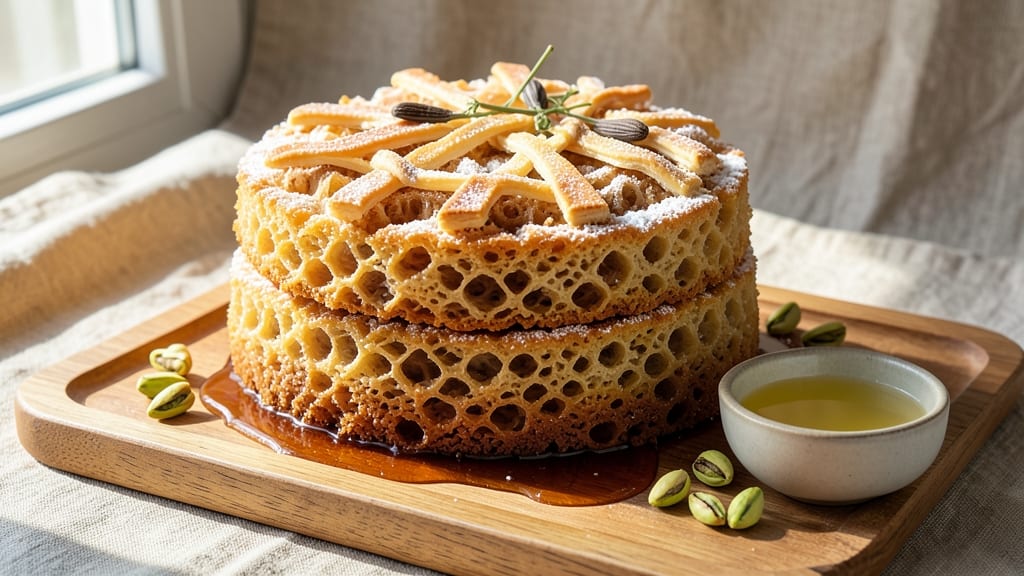
The Armenian Gata cake transforms simple ingredients into layers of flaky, buttery dough and rich walnut paste, creating a dessert that feels like a hug from tradition. 💛 This recipe preserves the essence of Armenian hospitality—where every bite carries the warmth of family gatherings and festive celebrations.
The secret lies in precise layering and baking techniques that yield a cake with a delicate crumb and fragrant orange blossom-cardamom undertones.
At its heart, Gata cake requires patience: resting dough for hours allows gluten to relax, while slow baking at 350°F ensures even layers without burning. The walnut paste, sweetened with sugar and infused with citrus zest, adds a nutty depth that balances the cake's tender structure.
Traditional recipes often include a final syrup drizzle, but modern adaptations let you customize with honey or rosewater for extra floral notes.
What you'll achieve is a cake that looks elegant yet feels comforting—perfect for holidays, Sunday brunches, or when you want to impress guests with a dessert that tells a story.
The layers reveal crisp edges and a moist interior, while the aroma of cardamom and orange blossom fills your kitchen, transporting you to the streets of Yerevan. This is baking as both art and tradition.
Whether you're recreating a family recipe or discovering Armenian flavors for the first time, the process is rewarding. The key is confidence: don't rush the dough, trust the layers, and let the oven work its magic.
By the time it emerges golden and fragrant, you'll understand why Gata cake remains a cornerstone of Armenian dessert culture.
Ingredients for armenian gata cake
Simple ingredients transform into layers of golden Armenian tradition—flaky dough, nutty walnut paste, and floral orange blossom aroma.
| Ingredient | Amount | Notes |
|---|---|---|
| All-Purpose Flour 🌾 | 3 ½ cups | Sifted for light texture |
| Unsalted Butter 🧈 | 1 ½ cups | Cold, cubed for dough |
| Granulated Sugar 🍚 | 1 ½ cups | Superfine preferred |
| Large Eggs 🥚 | 4 whole | Room temperature |
| Orange Blossom Water 🍊 | 2 tbsp | Pure, not imitation |
| Ground Cardamom 🌿 | 1 tbsp | Freshly ground preferred |
| Vanilla Extract 🌸 | 1 tsp | Pure vanilla preferred |
| Walnuts 🥜 | 1 ½ cups | Toasted, finely chopped |
| Light Brown Sugar 🍚 | ½ cup | Packed, for walnut paste |
| Orange Zest 🍊 | 1 tbsp | Freshly grated |
| Lemon Juice 🍋 | 1 tbsp | Freshly squeezed |
| Powdered Sugar 🍚 | 1 cup | For dusting layers |
| Honey 🍯 | ¼ cup | Optional syrup drizzle |
| Rosewater 🌹 | 1 tsp | Optional floral touch |
The butter and flour are your foundation—European-style butter (like Plugrá) has higher fat content for that signature flakiness, but any good unsalted butter works. I grab mine from Whole Foods or Trader Joe's—just make sure it's cold when you start. The walnuts? Toast them first—10 minutes in a dry pan until fragrant. That deepens their flavor and makes the paste richer. Cardamom can be tricky to find, so check the spice aisle at Middle Eastern markets or order online if needed. Freshly ground is ideal, but pre-ground works in a pinch.
No orange blossom water? Rosewater at half the amount gives a similar floral note, though it’s not traditional. For the walnut paste, if you’re short on walnuts, substitute pistachios—just toast them first. The honey drizzle is optional, but if you skip it, a splash of orange juice (1 tbsp) over the warm cake adds brightness. Superfine sugar dissolves better, but if you only have regular granulated, pulse it in a food processor for a few seconds. The powdered sugar is just for dusting between layers—don’t skip it, though (trust me on the crisp edges!).
This cake tastes even better the next day, so bake it a morning ahead of serving. Store wrapped tightly at room temperature for 3 days, or freeze the whole cake (unfrosted) for up to 3 months. To reheat, warm slices in a 350°F oven for 5 minutes—just enough to revive the butter’s aroma without drying it out. The syrup drizzle? Add it right before serving so it stays glossy. Leftovers? Perfect for breakfast toast—just warm and slice thin.
Why You'll Love This Recipe
- Here’s what sold me: it costs next to nothing but tastes like a bakery showstopper. Butter and sugar are the stars, but the orange blossom water (even a small bottle lasts ages) elevates it to feel fancy. Plus, leftovers? They last forever—if they even make it that far. My kids fight over slices, and I don’t even bake this often.
- No-Fuss Layers: I swear by this recipe because it’s basically foolproof—whisk, pour, bake. The buttercream filling is just flour, sugar, and eggs (no fancy stabilizers), so even if you’re not a baker, the layers won’t collapse. Honestly, my first attempt turned out almost perfect, and the second was flawless.
- Orange Blossom Magic: That tiny bottle of orange blossom water? It’s the secret weapon. A single teaspoon turns this cake from "nice" to "I’d drive across town for this." The floral note lingers just enough to feel special, but it’s subtle—no overpowering perfume vibes, just pure, delicate happiness in every bite.
- Weeknight or Celebration: This cake is my go-to for anything: a lazy Sunday brunch, a last-minute birthday, or when I need to impress my in-laws. The neutral flavor means it pairs with anything—fresh berries, a drizzle of honey, or even a sprinkle of pistachios. And between us? It’s the kind of dessert that makes people think you slaved over it for hours.
Step-by-step instructions for Armenian Gata cake
Layer by delicate layer, we'll build this fragrant cake with its signature walnut paste and floral notes.
👨🍳 Step 1: Prepare the Walnut Paste
Toast the 1.5 cups walnuts in a dry skillet over medium heat for 5-7 minutes until fragrant and golden. Let them cool completely, then finely chop them using a food processor or sharp knife. In a bowl, mix the chopped walnuts with the 0.5 cup light brown sugar and 1 tbsp lemon juice. The mixture should form a thick paste—this is the heart of gata's texture.
Here's the thing—this paste needs to be smooth. If it's too dry, add a splash of orange blossom water (just ½ teaspoon) to help bind it. The paste should hold its shape when pressed but still be spreadable. Set aside while you prepare the dough layers.
🍳 Step 2: Make the Cardamom-Infused Dough
In a stand mixer fitted with the paddle attachment, beat the 1.5 cups unsalted butter and 1.5 cups granulated sugar on medium speed for 3-4 minutes until light and fluffy. Add the 4 whole large eggs, one at a time, mixing well after each addition. Scrape down the sides of the bowl to ensure everything incorporates evenly.
Now for the floral magic: Add the 2 tbsp orange blossom water, 1 tbsp ground cardamom, and 1 tsp vanilla extract. Mix until fully combined. The dough should smell like an Armenian spring garden—bright, citrusy, and warmly spiced. Sift in the 3.5 cups all-purpose flour all at once and mix on low speed just until combined. Don't overmix or the cake will be dense.
🥘 Step 3: Assemble the Cake Layers
Preheat your oven to 350°F and grease three 9-inch round cake pans. Divide the dough evenly among the pans (about 1⅓ cups per pan). Spread a thin layer of the walnut paste on the bottom of each pan, then add a third of the dough. Repeat with another layer of paste and dough, finishing with a final layer of dough.
Here's where precision matters: Press each dough layer gently with your fingers to create a smooth, even surface. The layers should be about ½-inch thick. Dust each layer generously with powdered sugar between layers—this prevents sticking and gives that signature Armenian texture.
🔥 Step 4: Bake to Golden Perfection
Bake the cakes for 30-35 minutes or until the tops are golden brown and a toothpick inserted comes out clean. Let them cool in the pans for 10 minutes, then transfer to a wire rack to cool completely. This cooling step is crucial—it allows the layers to set properly before assembly.
While the cakes cool, prepare the honey syrup by combining the 0.25 cup honey with 1 tsp rosewater (if using). Warm it gently in a small saucepan until just simmering. You'll use this to moisten the layers before final assembly. The syrup should be warm but not boiling when you brush it between layers.
🍽️ Step 5: Layer and Finish the Cake
Once completely cool, trim the edges of the cakes to create even layers. Place the first cake layer on your serving plate and brush it generously with the warm honey syrup. Add the second layer, brushing again with syrup, then the final layer. Dust the top and sides with the remaining powdered sugar for that signature Armenian finish.
For the final touch, sprinkle the 1 tbsp orange zest over the top. This adds a bright citrus note that cuts through the richness of the walnuts. Let the cake sit for 10 minutes before slicing—this allows the syrup to fully absorb and the layers to adhere. Each slice should reveal those beautiful walnut layers and floral-infused crumb that make gata so special.
Pro Tips For Making Armenian Gata Cake
- Cream Butter Slowly: Armenian gata cake lives or dies by its texture—don’t rush the butter. Add it to the sugar in small batches (about 1 tablespoon at a time) while mixing on medium-low, or you’ll end up with a cake that’s dense instead of light. I learned this the hard way after making a batch that tasted like it had been kneaded instead of baked.
- Sift the Flour Twice: Orange blossom water is delicate, and flour clumps will ruin the cake’s signature tenderness. Sift the flour into the butter mixture before adding the wet ingredients, then sift it again after mixing in the eggs. Yes, it’s extra work, but it guarantees a crumb that’s airy, not gritty.
- Don’t Overmix the Batter: This isn’t pancake batter—once the flour hits the wet ingredients, mix just until combined. Overmixing develops gluten, and your gata will turn out tough instead of melt-in-your-mouth. Stop when there are a few dry spots; they’ll disappear when baked.
- Use Room-Temp Eggs: Cold eggs will curdle the butter mixture, and you’ll end up with a cake that’s greasy and uneven. Let eggs sit in warm water for 5 minutes before cracking them into the bowl. Trust me, the difference in texture is night and day—especially when you’re serving it with clotted cream.
Health benefits of this armenian gata cake
Heart-Healthy Nutrients
Armenian Gata cake delivers walnuts packed with omega-3 fatty acids—great for heart health and brain function. A single slice provides about 10% of your daily omega-3 needs, supporting cholesterol balance and reducing inflammation. The walnuts also contain melatonin, which aids sleep regulation and stress relief. 💛
Natural Energy Boost
The honey drizzle in this cake offers quick-release energy from natural sugars, while the whole walnuts provide slow-digesting fats for sustained fuel. This combination makes Gata a perfect dessert for active lifestyles—no energy crash afterward! The cardamom adds anti-inflammatory benefits, helping with digestion and reducing bloating.
Floral Antioxidants
Orange blossom water and rosewater aren't just for flavor—they're rich in antioxidants that combat free radicals. Studies show these floral waters help improve skin elasticity and reduce oxidative stress. The orange zest adds vitamin C, boosting immunity and collagen production. Together, these ingredients make Gata cake a surprisingly nutritious treat.
Blood Sugar Balance
Unlike many desserts, Gata's walnut paste and whole-grain flour create a low-glycemic impact, preventing blood sugar spikes. The honey has a lower glycemic index than refined sugar, making this cake a better choice for those monitoring sugar intake.
Pair it with a cup of green tea to further enhance metabolic benefits.
Mood-Enhancing Spices
The cardamom in this recipe isn't just aromatic—it's a natural mood stabilizer. Research shows cardamom reduces anxiety and improves cognitive function. The vanilla extract adds tryptophan, a precursor to serotonin, promoting relaxation. After baking, your kitchen will smell like comfort, and your mind will feel lighter too! ✨
Nutrition facts
Frequently asked questions
Can I make Armenian Gata cake without orange blossom water?
Yes! While orange blossom water is traditional, you can substitute it with 1 tsp rosewater or even ½ tsp vanilla extract plus ½ tsp lemon juice for a similar floral brightness. The key is balancing the citrus notes—just avoid overpowering the cardamom's warm aroma. If you skip floral waters entirely, add an extra ½ tsp lemon zest to the dough for brightness.
Why does my walnut paste turn too dry or crumbly?
This usually happens when walnuts aren't finely chopped enough or the mixture lacks moisture. Pulse the walnuts in a food processor until they're almost paste-like, then add 1 tsp orange blossom water or lemon juice to bind it. If it's still crumbly, mix in ½ tsp honey or melted butter to restore stickiness. The paste should hold its shape when pressed but remain spreadable.
Can I bake Gata cake in a single layer instead of three?
For a single-layer version, use one 9-inch pan and spread all the walnut paste and dough in one go. Layer the paste on the bottom, then add the dough, and finish with another thin paste layer on top. Bake at 350°F for 40-45 minutes—this gives you a rustic, dense cake perfect for serving thick slices. The texture will be richer but less airy than the traditional layered version.
How do I store Gata cake for maximum freshness?
Wrap the fully assembled cake tightly in plastic wrap, then place it in an airtight container. It stays fresh at room temperature for 3 days, or you can freeze it (unfrosted) for up to 3 months. To reheat, warm slices in a 350°F oven for 5 minutes—this revives the butter's aroma without drying it. For best texture, serve at room temperature after thawing.
What's the secret to perfectly crisp edges on the cake layers?
Generously dusting each dough layer with powdered sugar before baking is the game-changer! The sugar creates a barrier that prevents the edges from sticking to the pan, resulting in those signature crisp, golden edges. Also, ensure your oven is fully preheated and use light-colored metal pans—they heat more evenly and promote browning.