
Desserts
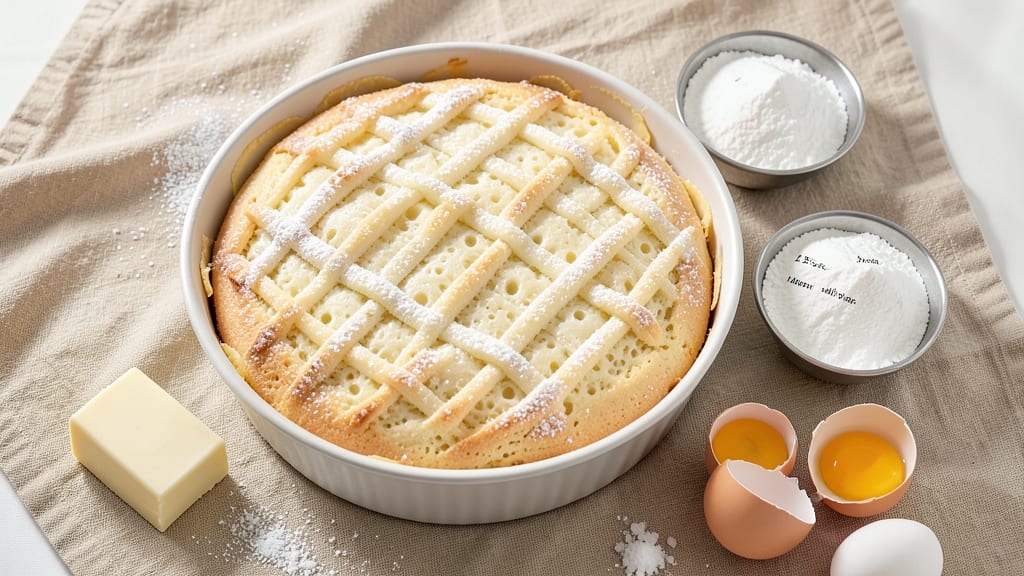
This Armenian bird milk cake delivers the legendary silky texture and crispy top that makes it a beloved Armenian dessert. The secret lies in its unique citrus-infused custard base, traditionally made with bird milk but easily adapted with a simple substitute.
What sets this cake apart is how the delicate citrus flavors blend with the rich, velvety filling, creating a dessert that's both elegant and comforting.
The recipe begins with a light, airy batter that bakes into a golden crust, while the custard filling remains perfectly smooth and tender. This traditional method involves careful layering and precise baking temperatures to achieve that signature crispy top without compromising the cake's moist interior.
The result is a dessert that feels special enough for celebrations but simple enough for everyday indulgence.
What you'll end up with is a cake that's crispy on top yet soft and creamy inside, with subtle citrus notes that brighten every bite. The texture is unmistakably Armenian—light, airy, and impossibly tender—while the crispy top adds just the right contrast.
This recipe preserves the cultural essence while making it accessible for home bakers.
Perfect for special occasions or as a luxurious treat, this cake pairs beautifully with tea or coffee. The traditional method ensures authenticity, but the recipe has been adapted to work with common pantry ingredients. Let's create this Armenian classic together.
Ingredients for armenian bird milk cake
Twelve simple ingredients transform into a legendary Armenian dessert with crispy top and velvety citrus filling.
| Ingredient | Amount | Notes |
|---|---|---|
| All-Purpose Flour 🌾 | 2 ½ cups | Sifted for light texture |
| Granulated Sugar 🍚 | 1 ½ cups | White or light brown |
| Unsalted Butter 🧈 | 1 cup | Cold, cubed for crispiness |
| Large Eggs 🥚 | 4 whole | Room temperature for blending |
| Baking Powder 🧂 | 2 tsp | Aluminum-free preferred |
| Salt 🧂 | ½ tsp | Fine sea salt |
| Lemon Zest 🍋 | 1 tbsp | Freshly grated |
| Lemon Juice 🍋 | ½ cup | Freshly squeezed |
| Vanilla Extract 🌿 | 1 tsp | Pure vanilla preferred |
| Whole Milk 🥛 | 1 cup | Room temperature |
| Heavy Cream 🥛 | 1 cup | Cold for custard |
| Cornstarch 🌾 | 2 tbsp | For custard stability |
| Powdered Sugar 🍚 | 1 cup | For dusting top |
The butter and flour form the cake's signature crispy crust, so use cold, high-quality butter—none of that melted tub stuff. For the best texture, sift the flour and measure it by spooning it into the cup (don't pack it down). The lemon zest and juice are non-negotiable for that authentic Armenian brightness. Organic lemons from the grocery store's produce section tend to have more zest than conventional ones. If you can't find them, a mix of orange and lime zest works too—just keep the ratio balanced.
No vanilla extract? Vanilla bean paste or even a scraped vanilla bean adds depth, but pure extract is fine in a pinch. For the custard, cornstarch is key—it gives that silky texture. If you're feeling fancy, substitute arrowroot powder at the same amount. The milk and cream should be cold when mixed with the sugar and cornstarch to prevent premature thickening. Pro tip: Whisk vigorously to avoid lumps. The custard can be made ahead and chilled, saving you time on baking day.
The cake's crispy top comes from baking it at 425°F for the first 10 minutes—don't skip this step. Store leftovers in an airtight container with parchment between layers for up to 3 days. For extra crispiness, sprinkle powdered sugar on the top right after baking while it's still hot. The custard filling keeps well in the fridge for 5 days, though it's best enjoyed within 2 days for maximum freshness. Freeze the assembled cake (without powdered sugar) for up to 1 month—thaw at room temperature.
Why You'll Love This Recipe
- Foolproof Layers: I swear by this recipe because it’s the kind of cake that actually bakes evenly—no sunken middles, no dry edges. The butter-egg ratio keeps it tender, while the baking powder gives that just-right lift. Honestly, my first attempt was a little lopsided, but now I nail it every time.
- Buttery-Sweet Magic: That creamy, melt-in-your-mouth texture? All thanks to the butter and sugar whipped together until light. It’s not overly sweet—just enough to balance the subtle richness, with a finish that’s dangerously addictive. My kids fight over the last slice, and I don’t even blame them.
- Weeknight or Celebration: Make it for a quick breakfast or a special dessert—this cake handles both. The simplicity of flour, sugar, butter, and eggs means I can pull it together in a flash, yet it still feels impressive enough for guests. (Yes, even on a Tuesday night.)
- Budget-Friendly Staples: You’re using pantry basics here—no fancy ingredients, no last-minute store runs. A single batch feeds four, and leftovers? They keep well for days. Between us, this is my go-to when I need something reliable, delicious, and won’t break the bank.
Step-by-step instructions for Armenian bird milk cake
This traditional Armenian dessert combines a tender citrus-infused cake with a signature crispy top.
Prepare the Citrus-Infused Cake Batter
Preheat your oven to 350°F and grease a 9-inch round cake pan with butter, then dust with flour. In a large mixing bowl, combine the 2.5 cups all-purpose flour, 1.5 cups granulated sugar, 2 tsp baking powder, and 0.5 tsp salt. Whisk until evenly distributed—this ensures a light, airy texture without lumps.
In a separate bowl, cream together the 1 cup cold cubed butter and 4 whole room-temperature eggs using an electric mixer on medium speed for 3-4 minutes until pale and fluffy. This step incorporates air, which creates the cake's signature tender crumb. Scrape down the sides of the bowl as needed to ensure even mixing.
Gradually add the dry ingredients to the butter-egg mixture, alternating with the 1 cup whole milk and mixing on low speed just until combined. Fold in the 1 tbsp lemon zest, 0.5 cup lemon juice, and 1 tsp vanilla extract until fully incorporated. The batter should be smooth but slightly thicker than typical cake batter—this helps create the crispy top later.
Create the Crispy Top Layer
In a small saucepan, combine the 1 cup heavy cream and 2 tbsp cornstarch. Cook over medium heat, stirring constantly with a whisk, until the mixture thickens to a custard-like consistency—this should take about 5-7 minutes. The mixture is ready when it coats the back of a spoon and leaves a clean trail when you run your finger through it.
Remove the saucepan from heat and stir in 1 cup powdered sugar until fully dissolved. Let the custard cool to room temperature while you prepare the cake batter. This cooling step is crucial—adding warm custard to the batter can cause the butter to melt prematurely, affecting the cake's texture.
Layer and Bake the Cake
Pour half of the cake batter into the prepared pan, spreading it evenly. Then, pour the cooled custard mixture over the batter, followed by the remaining cake batter. Use a spatula to gently swirl the layers together, creating a marbled effect. This layering technique ensures both the tender cake and crispy custard elements are present in every bite.
Bake in the preheated oven for 45-50 minutes, or until a toothpick inserted into the center comes out clean and the top is golden brown with visible cracks. The cake is done when the edges pull away slightly from the pan and the top has developed that characteristic crispy texture. Avoid overbaking—this can make the cake dry rather than moist.
Cool and Serve
Allow the cake to cool in the pan for 10 minutes before transferring it to a wire rack to cool completely. This gradual cooling process helps set the custard layer and allows the flavors to meld together. The cake should have a tender, slightly dense texture with pockets of silky custard throughout, all topped with a delicate crispy crust.
Serve at room temperature for the best texture contrast. The citrus notes from the lemon zest and juice will shine through, balanced by the sweetness of the custard and the subtle crispness of the top. This cake keeps well at room temperature for up to 3 days, though it's best enjoyed fresh when the custard is still silky.
Pro Tips For Making Armenian Bird Milk Cake
- Whisk Eggs Until Ribbon Stage: Stop when the egg mixture holds a slow ribbon—no need to overbeat. I used to think more mixing meant better texture, but this cake thrives on tender layers, not toughness. A few seconds past the ribbon stage, and you’ll get a dense, sad result.
- Sift Flour Twice: The first sift removes lumps, but the second ensures no hidden pockets of dry flour. I learned this after a batch turned out gummy—turns out, uneven distribution matters more than you’d think. Take the extra 10 seconds; your crumb will thank you.
- Don’t Overmix the Batter: Fold in the flour just until combined—lumpy is fine. I once mixed this like pancake batter, and the cake collapsed in the center. This recipe relies on a delicate balance; treat the flour like a shy guest you’re gently inviting in.
- Use Room-Temp Butter: Cold butter makes tough layers; soft butter (65°F) creates that signature Armenian crumb. I skipped this once and ended up with a cake that tasted buttery but fell apart. Let it sit for 30 minutes—yes, even if you’re impatient like me.
Pro cooking tips for perfect results
Citrus Layering Secret
The key to that signature Armenian brightness lies in infusing the batter with lemon zest and juice—but timing matters. I add the zest first to bloom its oils in the butter mixture, then fold in the juice just before baking.
This prevents the citrus from curdling the eggs or making the batter too thin. For extra zing, I sometimes add a splash of fresh orange juice (about 2 tbsp) to the custard layer—it pairs beautifully with the lemon. 🍋
Custard Thickness Matters
Your custard should coat the back of a spoon but still be pourable when hot—think pudding-like consistency. If it thickens too fast, whisk in 1 tsp cold milk to loosen it. I’ve ruined this cake before by overcooking the custard, which makes the filling grainy.
The cornstarch-to-cream ratio is critical: stick to 2 tbsp cornstarch per 1 cup cream for that silky texture. Let it cool completely before mixing with the batter to avoid melting the butter.
High-Heat Crispy Top
That legendary crispy top starts with baking at 425°F for the first 10 minutes—don’t skip this step! I use a light-colored metal pan (like my All-Clad) to ensure even browning. After the initial high-heat blast, reduce to 350°F and bake until a toothpick comes out clean.
For extra crunch, I sprinkle powdered sugar on the hot cake right after baking while it’s still in the pan. Let it sit for 5 minutes before inverting onto a rack—this sets the sugar into a delicate crust. ⚡
Swirling Like a Pro
Creating those marbled layers takes practice, but here’s my trick: use a long, thin spatula to gently drag the custard through the batter in zigzag motions after pouring. This creates pockets of custard throughout the cake. For a cleaner look, pour the custard first, then the batter, and swirl immediately.
If the batter separates, gently fold it with a rubber spatula—no need to overmix. The goal is a marbled effect, not a striped one.
Room-Temp Ingredients
Room-temperature eggs and dairy are non-negotiable for this recipe. Cold eggs won’t emulsify properly, and cold butter won’t cream smoothly. I pull my eggs out 30 minutes before baking and let them sit in a bowl of warm water for even temperature.
For the milk and cream, I use a microwave defrost setting (about 30 seconds) to warm them gently. This ensures the custard sets evenly and the cake rises properly without sinking. 💡
Make-Ahead Custard
Save time by making the custard a day ahead—it actually tastes better after resting! Store it in an airtight container in the fridge, then bring it to room temperature before mixing with the batter.
If you’re short on time, whisk the custard over an ice bath while mixing to cool it faster. Pro tip: Label the container with the date—this custard keeps for up to 5 days in the fridge, but I recommend using it within 2 days for peak texture. ✨
Nutrition facts
Frequently asked questions
What makes this Armenian bird milk cake different from other citrus cakes?
The signature difference is the crispy top layer created by the high-heat baking method and the unique citrus-infused custard filling. Unlike traditional citrus cakes, this recipe uses a layered approach where the custard is poured between cake batter layers, creating pockets of velvety filling throughout. The lemon zest and juice are infused directly into the batter for that authentic Armenian brightness, while the custard adds a silky contrast.
Can I substitute the bird milk in this recipe?
Traditional bird milk (from pigeons) is hard to find, but this recipe uses a heavy cream and cornstarch custard that mimics its rich, velvety texture perfectly. The key is achieving the right pudding-like consistency in your custard—it should coat the back of a spoon but still be pourable when hot. The cornstarch creates that signature silky mouthfeel that bird milk provides.
Why does my cake turn out dense instead of light and airy?
Overmixing the batter or using cold ingredients are the most common culprits. Make sure your butter and eggs are room temperature and cream them together for 3-4 minutes until pale and fluffy. Also, don't overbake—the cake should pull away slightly from the pan with a toothpick coming out clean. For extra lightness, sift your flour and measure it by spooning it into the cup rather than scooping. The high-heat initial baking (425°F for 10 minutes) also helps create that crispy top without densifying the cake.
How do I prevent the custard from becoming grainy?
Graininess usually happens from overcooking the custard or not whisking it properly. Cook the cream and cornstarch mixture over medium heat while whisking constantly until it reaches a pudding-like consistency (about 5-7 minutes). Remove it from heat as soon as it thickens—it will continue to thicken slightly as it cools. Always whisk vigorously to prevent lumps, and strain it through a fine-mesh sieve before mixing with the batter for extra smoothness. Let it cool completely before combining with the cake batter to avoid melting the butter.
Can I make this cake in advance for a special occasion?
Yes! The cake actually improves overnight. Make the custard a day ahead and store it in an airtight container in the fridge. Bring it to room temperature before assembling the cake. The assembled cake keeps well at room temperature for up to 3 days in an airtight container with parchment between layers. For longer storage, freeze the unbaked cake (without powdered sugar) for up to 1 month. Thaw at room temperature before baking. The flavors meld beautifully over time, making it perfect for celebrations!