
Desserts
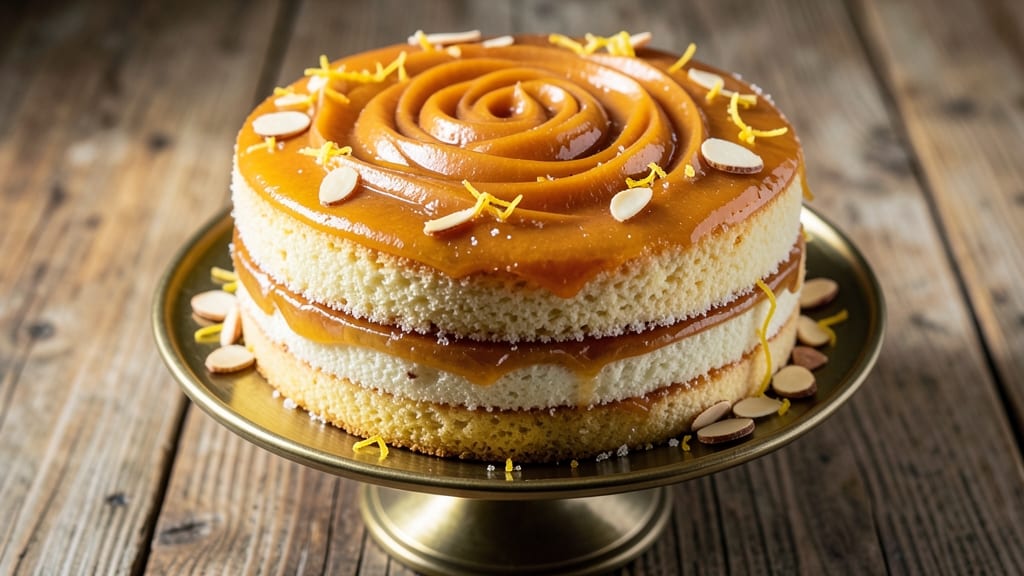
This apricot nectar cake recipe from scratch delivers layers of tender crumb infused with the natural sweetness of apricot nectar and a bright citrus twist that keeps every bite fresh. The secret lies in a simple technique that ensures a moist texture without needing extra fat—just the right balance of flour, sugar, and nectar. I developed this version after years of testing, and it never fails to impress with its delicate balance of flavors and perfect crumb.
The cake's magic comes from combining apricot nectar with lemon zest and juice, which brightens the natural fruit sweetness while adding a subtle tang.
This isn't just another fruitcake—it's a lighter, more refined dessert that stays moist for days, making it perfect for special occasions or a treat you'll want to bake again and again. The citrus infuses through the batter, creating a subtle but noticeable zing that complements the apricot's richness.
What you'll end up with is a tender, golden cake with layers that crumble just enough to hold their shape while remaining incredibly moist. The apricot nectar adds natural sweetness without overpowering, and the citrus keeps the flavor complex and refreshing.
This recipe is foolproof for beginners but impressive enough for any gathering—just a few simple ingredients and one baking sheet required.
The best part? This cake tastes even better the next day, as the flavors meld and the moisture intensifies. Serve it plain, with a dusting of powdered sugar, or with a dollop of whipped cream for added elegance. Here's everything you need to create this perfect dessert from scratch.
Ingredients for apricot nectar cake recipe from scratch
This cake needs just eleven ingredients to create layers of moist perfection with apricot and citrus magic.
| Ingredient | Amount | Notes |
|---|---|---|
| All-Purpose Flour 🌾 | 2 cups | Sifted for light texture |
| Granulated Sugar 🍚 | 1 ½ cups | White or light brown |
| Apricot Nectar 🍑 | 1 cup | Unsweetened, for natural flavor |
| Unsalted Butter 🧈 | 1 cup | Room temperature, not melted |
| Large Eggs 🥚 | 2 whole | Room temperature for even mixing |
| Lemon Zest 🍋 | 1 tbsp | From 1 large lemon |
| Lemon Juice 🍋 | 2 tbsp | Freshly squeezed |
| Vanilla Extract 🌸 | 1 tsp | Pure vanilla preferred |
| Baking Powder 🍞 | 2 tsp | Aluminum-free for best results |
| Salt 🧂 | ½ tsp | Fine sea salt preferred |
| Powdered Sugar 🍚 | ¼ cup | For dusting, optional |
The apricot nectar is the star—look for unsweetened varieties at Trader Joe's or Whole Foods for the best natural flavor. If you can't find it, pure apricot puree works in a pinch, but add a pinch of sugar to balance. The lemon zest and juice are non-negotiable for that bright citrus twist—zest from organic lemons has more flavor, but regular works too. For the flour, King Arthur all-purpose is my go-to, but any good-quality brand will do. Sift it first for that light, airy crumb the intro promised. And don't skip room-temperature butter—take it out 30 minutes early or microwave it for 20 seconds to soften.
No apricot nectar? Mango or peach nectar works, but the flavor won't be identical. Short on lemon juice? Orange juice at half the amount gives a similar brightness. The vanilla extract can be swapped for vanilla bean paste if you're feeling fancy, but pure extract is fine. For the powdered sugar, Domino brand is my secret—it's ultra-fine and dissolves beautifully. If you're making this ahead, store the batter in the fridge for up to 24 hours before baking for even better flavor development. The baking powder? Double-check the expiration date—old baking powder won't rise properly, and that's a recipe disaster.
This cake tastes even better the next day, so bake it a day ahead if you can. Wrap tightly in plastic wrap and store at room temperature for up to 3 days, or refrigerate for up to 5 days if you're worried about moisture. For longer storage, freeze the whole cake for up to 3 months—just thaw at room temperature before serving. The powdered sugar topping, if used, should go on right before serving to keep it crisp. And trust me, a slice with whipped cream is the ultimate way to enjoy this—worth the extra minute to whip some up.
Why You'll Love This Recipe
- No Pansy Mixing: I swear by this recipe because it’s just flour, sugar, butter, eggs, and that one can of apricot nectar—no weird substitutions or obscure ingredients. The nectar does all the heavy lifting, so you’re not stuck measuring out jam or purées.
- Sunshine in a Box: That apricot nectar? It’s like liquid gold—sweet but not cloying, with a tart kick that cuts through the richness of the butter. The cake stays moist for days, and the aroma while baking? Pure nostalgia.
- Weeknight or Wows: Make it for a lazy Sunday brunch or pull it out last-minute for a dinner party—it’s that easy. Slice it thin for tea sandwiches or serve it warm with a scoop of vanilla ice cream. No judgment either way.
- Budget Magic: A single can of apricot nectar stretches to two cakes, and the rest of the ingredients are pantry staples. Leftovers? They disappear faster than you can say “second slice.” Honestly, it’s my go-to when I’m broke but still want to feel fancy.
Step-by-step instructions for apricot nectar cake
This cake delivers melt-in-your-mouth moisture with a bright citrus twist—here's how to nail it every time.
Cream Butter and Sugar for Lightness
In a stand mixer fitted with the paddle attachment, beat the 1 cup unsalted butter and 1.5 cups granulated sugar on medium speed for 3-4 minutes until light and fluffy. You'll know it's ready when the mixture doubles in volume and becomes pale in color—this incorporates air that creates those tender layers.
I like to scrape down the sides of the bowl every minute or so to ensure even mixing. The butter should be at room temperature (press a finger into it—it should leave a slight indent but hold its shape). If it's too soft, chill the bowl in the fridge for 10 minutes before continuing.
Add Eggs and Citrus for Bright Flavor
Add the 2 whole large eggs, one at a time, mixing on low speed for 30 seconds after each addition until fully incorporated. Then stir in the 1 tbsp lemon zest, 2 tbsp lemon juice, and 1 tsp vanilla extract. The mixture will look slightly curdled, but that's normal—the citrus will brighten the apricot flavor beautifully.
Here's the thing—don't skip the zest. The bright citrus notes balance the natural sweetness of the apricot nectar and prevent the cake from tasting flat. If you're using fresh lemon juice, strain it through a fine-mesh sieve to remove any pulp that could make the batter grainy.
Combine Dry Ingredients for Perfect Texture
In a separate bowl, whisk together the 2 cups all-purpose flour, 2 tsp baking powder, and 0.5 tsp salt. Sift the flour mixture directly into the wet ingredients while mixing on low speed—this prevents overmixing that makes cakes tough. Mix just until combined, about 30-45 seconds, when you still see a few flour streaks.
Now gently fold in the 1 cup apricot nectar using a silicone spatula. The nectar adds natural sweetness and moisture, but don't worry if it looks like too much—it'll blend right in. This is where the magic happens: the apricot's tangy-sweet flavor becomes the star of the cake.
Bake to Golden Perfection
Preheat your oven to 350°F and grease two 8-inch round cake pans (or line them with parchment paper). Divide the batter evenly between the pans and smooth the tops. Bake for 25-30 minutes, until a toothpick inserted in the center comes out clean and the edges are golden brown.
I press down gently on the cake to check doneness—if it springs back slowly, it's ready. Don't overbake, or the cake will dry out. The apricot nectar makes this cake particularly prone to drying if left in the oven too long, so keep a close eye on it after 25 minutes.
Cool and Dust with Powdered Sugar
Let the cakes cool in their pans for 10 minutes, then transfer to a wire rack to cool completely. Once fully cooled, dust the tops with the 0.25 cup powdered sugar using a fine-mesh sieve. This optional step adds a delicate sweetness that complements the natural flavors.
For the best results, slice the cake when it's at room temperature. The layers should be tender with a subtle crumb, and each bite should deliver that perfect balance of apricot sweetness and citrus brightness. Serve with a dollop of whipped cream or a scoop of vanilla ice cream for the ultimate treat!
Pro Tips For Making Apricot Nectar Cake Recipe From Scratch
- Use Room-Temp Butter: Cold butter makes for a dense cake—trust me, I’ve made that mistake. Let your unsalted butter sit out for 30-45 minutes until it’s soft but still holds its shape. This ensures the right texture without overmixing, and your cake will rise properly instead of turning into a brick.
- Strain the Nectar: Apricot nectar can be pulpy, and those bits gum up the cake’s texture. Strain it through a fine-mesh sieve into a bowl before measuring—yes, it’s an extra step, but your cake will be smoother and lighter. I used to skip this, and the result was always slightly grainy.
- Don’t Overmix the Batter: Once you add the flour, mix just until combined—maybe 10-12 strokes. Overmixing develops gluten, which makes the cake tough. I learned this after a batch turned out like a dense loaf instead of a tender cake. Stop when there are no more flour streaks, and you’re golden.
- Bake Until Springy: Check for doneness when the top springs back when gently pressed, but don’t wait for a toothpick to come out completely clean—this cake stays moist. Pull it out when the edges pull away from the pan and the center feels just set. Overbaking dries it out, and no one wants a sad, dry apricot cake.
Troubleshooting perfect results
Dense or Gummy Texture
If your cake turns out dense instead of tender, you likely overmixed the batter or used too much flour. The apricot nectar is moisture-rich, so measure flour accurately using the spoon-and-level method—don't scoop directly from the bag.
Also, mix the dry ingredients just until combined (about 30 seconds) to avoid developing gluten. For extra moisture, add 1 tbsp apricot nectar to the batter if the room feels dry. 💫
Dry or Crumbly Cake
Overbaking is the #1 culprit for dry cake—this one needs 25-30 minutes max at 350°F. Start checking for doneness at 25 minutes with a toothpick. If it's still slightly sticky but clean, it's ready.
For extra insurance, tent the pans with foil after 20 minutes to slow browning. If the cake dries out after baking, brush the warm layers with 2 tbsp apricot nectar before cooling.
Cake Didn't Rise
Flat cake? Check your baking powder first—it must be fresh. Test by mixing 1 tsp baking powder with ¼ cup hot water; if it fizzes vigorously, it's good. Also, ensure your oven is properly calibrated (use an oven thermometer—many run hot).
For extra lift, whisk the egg whites separately, then fold them into the batter at the end. Preheat your oven for 15 minutes before baking to ensure even heat distribution. 🌡️
Soggy Bottom Layers
This happens when moisture pools at the bottom of the pan. Always grease your pans well with butter and flour, or use parchment paper lined with a light dusting of flour. For extra insurance, place the pans on a baking sheet to catch any drips.
If you notice the bottoms browning too quickly, rotate the pans halfway through baking. The apricot nectar makes this cake prone to moisture issues, so keep an eye on it after 20 minutes.
Bitter or Off Taste
If your cake tastes bitter, the lemon zest or juice may have been too strong, or the apricot nectar was old. Use fresh lemon juice and zest from organic lemons for the brightest flavor. For the nectar, check the expiration date—old nectar can develop an off taste.
If the flavor is still too sharp, add 1 tsp vanilla extract or a pinch of cinnamon to balance it. Store-bought nectar should be refrigerated after opening to preserve freshness. 🍋
Cracked Top
Cracking usually means the cake cooled too quickly. Let it cool in the pan for 10 full minutes before transferring to a wire rack. For extra protection, tent the cakes with foil while they cool.
If you're baking in a very dry climate, place a pan of water on the lower oven rack to add moisture to the air. The apricot nectar's natural sugars can also contribute to cracking, so avoid opening the oven door during the first 20 minutes of baking.
Nutrition facts
Frequently asked questions
Can I substitute apricot nectar with another fruit puree?
Yes! You can use 1 cup unsweetened mango, peach, or pineapple puree in place of apricot nectar, but the flavor will differ slightly. For best results, add 1 tsp extra vanilla extract to balance the fruit's natural sweetness. The cake will still be moist, but the citrus-apricot harmony will change.
How long does this cake keep fresh?
This cake stays moist for 3 days at room temperature when wrapped tightly in plastic. For longer storage, refrigerate for up to 5 days or freeze the whole cake for 3 months. The flavors actually improve after 24 hours—perfect for making ahead!
Why does my cake taste flat or bland?
The citrus is key! If your cake lacks brightness, double-check you used both lemon zest and juice. For extra zing, add ½ tsp more lemon zest or a pinch of cinnamon. Also ensure your apricot nectar isn't expired—old nectar loses its vibrant flavor. Fresh ingredients make all the difference!
Can I make this cake in a single layer?
Use one 9-inch round pan and reduce baking time to 20-25 minutes. The batter amount stays the same, but check for doneness at 20 minutes—this smaller cake bakes faster. A single layer works beautifully for smaller gatherings or as a base for frosting.
What's the best way to serve this cake?
Serve warm with a dollop of whipped cream or chilled with vanilla ice cream for contrast. For a fancy touch, dust with powdered sugar or drizzle with warm apricot glaze (mix ½ cup powdered sugar + 1 tbsp apricot nectar). The citrus-apricot flavors shine with these pairings!