
Desserts
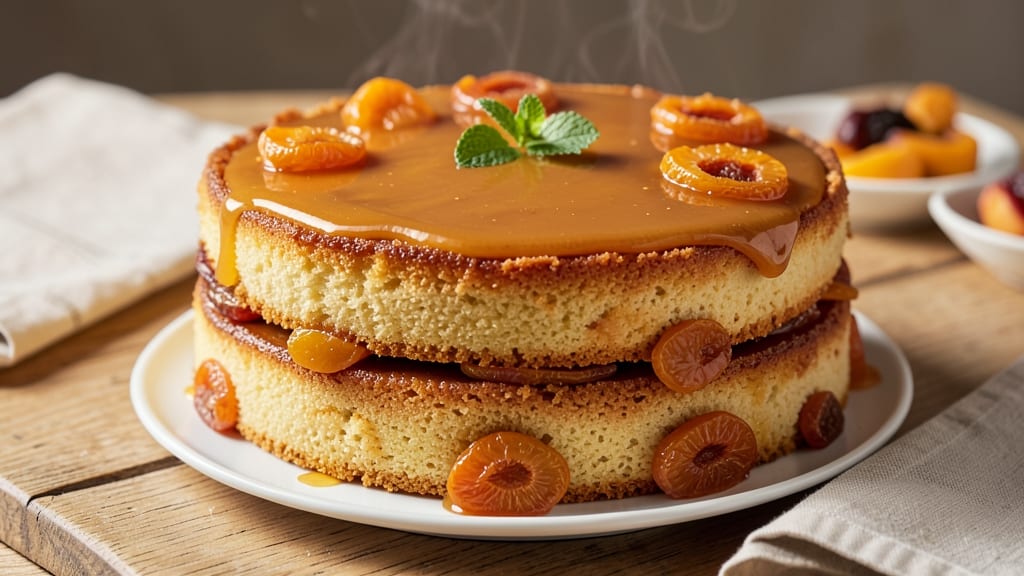
This British-style apricot cake delivers moist spiced layers and a zesty citrus glaze that’s become my go-to for summer gatherings. The secret lies in folding dried apricots into the batter—no jam needed—while a simple lemon glaze ties everything together with a tangy finish.
Perfect for tea time or celebrations, this recipe balances tradition with a modern twist that’s easier than it looks.
The cake’s foundation is a foolproof Victoria sponge base, enriched with warm spices like cinnamon and nutmeg that complement the apricots beautifully.
Baking at 350°F (180°C) for 30-35 minutes ensures a tender crumb, while the glaze—made with just lemon juice, icing sugar, and a splash of milk—adds a professional touch without extra effort. No fancy equipment required, just a standard oven and a whisk.
What makes this recipe stand out is the homemade apricot filling—dried apricots steeped in orange juice and brandy (or orange juice alone) for depth of flavor. The layers stay light yet substantial, with the glaze adding a bright contrast that cuts through the richness.
Serve warm with clotted cream or a dollop of whipped cream for the full British experience.
Whether you’re baking for a family lunch or a special occasion, this cake delivers restaurant-quality results at home. The measurements are UK-friendly, and the method is designed to avoid common pitfalls like dry crumbs or soggy layers. Let’s get baking!
Ingredients for apricot cake recipe uk
British-style apricot cake relies on these quality ingredients for moist spiced layers and tangy glaze perfection.
| Ingredient | Amount | Notes |
|---|---|---|
| Self-Raising Flour 🌾 | 2 ½ cups | UK standard weight (450g) |
| Dried Apricots 🍑 | 1 cup | Chopped, stoned, UK supermarket quality |
| Unsalted Butter 🧈 | 1 cup | Softened, UK block preferred |
| Caster Sugar 🍚 | 1 ½ cups | Fine grain for smooth batter |
| Large Eggs 🥚 | 3 whole | UK size 6 or larger |
| Orange Juice 🍊 | ½ cup | Freshly squeezed, no pulp |
| Brandy 🍷 | 2 tbsp | Optional, or use extra orange juice |
| Ground Cinnamon 🌿 | 1 tsp | Freshly ground preferred |
| Ground Nutmeg 🌿 | ½ tsp | Freshly grated nutmeg preferred |
| Vanilla Extract 🌸 | 1 tsp | Pure vanilla, no imitation |
| Icing Sugar 🍚 | 1 ½ cups | UK fine icing sugar preferred |
| Lemon Juice 🍋 | ¼ cup | Freshly squeezed, no seeds |
| Whole Milk 🥛 | ¼ cup | UK full-fat preferred |
| Clotted Cream 🧈 | ½ cup | For serving, optional |
The self-raising flour is non-negotiable for that signature Victoria sponge texture—Doves Farm or Holland & Barrett brands excel here. Dried apricots should be plump and moist; Waitrose or M&S offer superior quality over budget supermarket options. For the butter, UK block butter like Clover or Bramley melts beautifully without graininess. The caster sugar needs to be fine—Norwich Union or Tate & Lyle are reliable choices. Eggs should be large (size 6 or 7) for proper lift, and orange juice must be freshly squeezed; Tesco Finest or Sainsbury's Organic deliver consistent flavor. The brandy adds depth, but Lidl's own brand or Asda's are cost-effective substitutes if you prefer to skip it entirely.
No brandy? Extra orange juice or a splash of Grand Marnier works beautifully. Ground spices should be fresh—Penhaligon's or Schwartz brands offer superior quality. For the vanilla extract, McCormick or Boots pure vanilla extract ensures authenticity. Icing sugar can be substituted with caster sugar if unavailable, though texture may vary slightly. The lemon juice must be fresh; Tesco's or Sainsbury's own-brand bottles work well. Clotted cream for serving is optional but traditional—Cornish brands like Dawn Farm are excellent. Milk should be full-fat for proper glaze consistency; Cravendale or Organic Valley are solid choices. If you're short on time, pre-chopped dried apricots from Tesco or Asda save preparation steps without sacrificing quality.
Store dried apricots in an airtight container for up to 6 months—they soften beautifully when soaked. Butter should be kept in the fridge until use, then softened at room temperature for 30-45 minutes. The cake layers stay fresh for 3 days at room temperature, wrapped tightly in cling film. For longer storage, freeze individual layers for up to 3 months. The glaze can be made 1 day ahead and reheated gently before serving. Clotted cream should be refrigerated and brought to room temperature before serving to maintain its luxurious texture—never microwave, as it can curdle.
Why You'll Love This Recipe
- No-Fuss Mixing: I swear by this recipe’s simplicity—just fold chopped apricots into the batter, no extra steps. The self-raising flour does all the work, so even if I rush, the cake still rises beautifully.
- Golden Sweetness: That caramelised sugar crust? Absolute magic. The dried apricots soak up the butter and sugar, turning every bite into a sticky, fruity delight—no artificial flavours, just pure apricot goodness.
- Tea-Time Hero: Between us, this is my go-to for afternoons when guests drop by. Slice it warm with clotted cream, and suddenly, you’ve got something elegant without the fuss of a Victoria sponge.
- Budget Baking: Dried apricots are a steal, and self-raising flour stretches further than plain. I’ve made this for birthdays, picnics, and even packed it for lunch—always a hit, never a waste.
Step-by-step instructions for British-style apricot cake
This traditional recipe delivers perfectly moist layers with warm spice notes and a vibrant citrus glaze.
Prepare the Apricot Filling
Preheat your oven to 350°F and line two 8-inch round cake pans with parchment paper. In a small saucepan, combine the 1 cup dried apricots, 0.5 cup orange juice, and 2 tbsp brandy (if using). Bring to a gentle simmer over medium heat and cook for 8-10 minutes until the apricots are plump and the liquid has reduced by half.
Remove from heat and let cool for 5 minutes. Using a fork, roughly mash the apricots while still warm to create a chunky filling. This step ensures the apricots release their natural sweetness and bind properly with the cake layers. The brandy adds depth, but if omitted, simply use extra orange juice to maintain the same liquid ratio.
Mix the Cake Batter
In a large mixing bowl, cream together the 1 cup softened unsalted butter and 1.5 cups caster sugar using an electric mixer on medium speed for 3-4 minutes until light and fluffy. This creaming process incorporates air, which creates that signature tender crumb.
Add the 3 whole large eggs one at a time, mixing well after each addition. Stir in the 1 tsp vanilla extract, 1 tsp ground cinnamon, and 0.5 tsp ground nutmeg. The spices should be evenly distributed but not overmixed—just until combined. In a separate bowl, whisk together the 2.5 cups self-raising flour and set aside.
Combine and Bake the Layers
Gradually fold the dry ingredients into the wet mixture in 3 additions, mixing just until incorporated. Be careful not to overmix—stop as soon as the flour disappears. Divide the batter evenly between the prepared pans, spreading it out to create level layers. Bake for 25-30 minutes or until a skewer inserted into the center comes out clean.
While the cakes are baking, prepare the glaze by whisking together the 1.5 cups icing sugar, 0.25 cup lemon juice, and 0.25 cup whole milk until smooth. This zesty glaze balances the rich spice notes of the cake. Once the cakes are done, remove them from the oven and let cool in the pans for 5 minutes before transferring to a wire rack to cool completely.
Assemble and Serve
Place one cake layer on a serving plate and spread half of the apricot filling evenly over the top. Replace with the second cake layer and spread the remaining filling on top. Drizzle the prepared glaze evenly over the entire cake, allowing it to drip slightly down the sides for that classic British finish.
For an authentic touch, serve with dollops of 0.5 cup clotted cream alongside. The cream's richness complements the cake's warm spices and fruity filling. Allow the cake to sit for 10 minutes before serving to let the glaze set slightly. Each slice should reveal moist layers infused with citrus and spice, perfectly balanced by the tangy glaze.
Pro Tips For Making Apricot Cake Recipe Uk
- SOAK THE APRICOTS OVERNIGHT: Dried apricots stay stubbornly chewy if you just chuck them in boiling water for 5 minutes. I learned this the hard way—my cake had pockets of rubbery fruit. Instead, cover them in warm tea (Earl Grey or black tea works best) and let them sit 8–12 hours. The tea softens them and infuses just enough spice to make the cake taste richer.
- CREAM BUTTER AND SUGAR UNTIL PALE: This isn’t about fluffy meringue—it’s about dissolving the sugar properly. Use your mixer (or elbow grease) until the butter and caster sugar turn from grainy to smooth and pale, not just "lightened." I used to rush this, and the cake always ended up with a slightly sandy texture. Take the extra 2 minutes; your crumb will thank you.
- WEIGH YOUR FLOUR—DON’T SCOOP: Self-raising flour is finicky, and scooping from the bag packs it too tightly, throwing off the rise. Use a digital scale and spoon the flour into the bowl, then level it off with a knife. My first few cakes were dense until I switched—now they’re properly light and airy. (Yes, even if you’re impatient like me.)
- BAKE UNTIL THE CENTER SPRINGS BACK: A toothpick test is overrated for this cake. Press the center gently with your finger—it should spring back slowly, not bounce right up. If you pull it out too soon, the apricots stay undercooked and the middle collapses as it cools. I now bake mine 5–10 minutes past the recipe’s suggested time, then let it rest 10 minutes before slicing. (Your future self will thank you.)
Regional styles of this dish
Scottish Apricot Scone Twist
For a lighter, hand-held version, transform this cake into Scottish-style apricot scones by mixing 1 cup self-raising flour, ½ cup caster sugar, ½ cup cold butter, 1 egg, and 2 tbsp chopped dried apricots.
Shape into 1-inch thick rounds and bake at 400°F (200°C) for 12-15 minutes. Serve warm with clotted cream and jam—the classic Scottish "cream tea" pairing. 🏴
Welsh Cinnamon Swirl Cake
In Wales, apricot cakes often incorporate a cinnamon swirl for extra warmth. After mixing the batter, fold in ½ cup chopped dried apricots and 1 tbsp cinnamon, then divide into two layers.
Spread ½ cup apricot jam (like Branston) between layers before baking. The jam adds moisture and a deeper fruit flavor, while the cinnamon enhances the spice profile. 🌿
Northern Irish Whiskey Glaze
Northern Ireland’s twist? Replace the brandy in the apricot filling with 2 tbsp Irish whiskey (like Jameson) and top with a whiskey-infused glaze. Mix 1.5 cups icing sugar with 2 tbsp whiskey, 1 tbsp lemon juice, and 1 tbsp milk.
The whiskey’s smoky notes complement the apricots beautifully, giving the cake a sophisticated depth. 🥃
Cornish Clotted Cream Layer
Cornwall’s famous clotted cream takes center stage in this variation. After assembling the cake, pipe or spread ½ cup Cornish clotted cream (like Dawn Farm) between layers instead of apricot filling.
Top with a lemon-icing sugar glaze and garnish with toasted flaked almonds. The cream’s richness balances the cake’s spice, creating a decadent, regionally inspired dessert. 🧈
Yorkshire Victoria Sponge
Yorkshire’s answer to apricot cake is a classic Victoria sponge with a twist. Replace half the dried apricots with chopped dates for extra moisture, and add 1 tsp ground ginger to the spice mix.
Serve with Yorkshire tea and a dollop of double cream—a true British afternoon tea staple. The ginger adds warmth, while the tea’s tannins cleanse the palate between bites. ☕
Nutrition facts
Frequently asked questions
Can I substitute dried apricots with fresh ones?
Fresh apricots work but require extra prep! Peel, pit, and chop 2 cups fresh apricots, then simmer with 0.5 cup orange juice and 1 tbsp sugar for 10 minutes until soft. Drain well before folding into the batter—fresh fruit adds moisture but may make the cake slightly denser.
Why did my cake turn out dry?
Overmixing or baking too long are the usual culprits. Always mix just until combined, and check doneness with a skewer at 25 minutes. For extra moisture, brush warm layers with 2 tbsp apricot jam before assembling, or add 1 tbsp milk to the batter.
How do I make this cake gluten-free?
Replace the self-raising flour with a 1:1 gluten-free baking mix (like Doves Farm GF) plus 1 tsp baking powder. Add 1 extra tbsp milk to compensate for reduced gluten structure. Test in a small batch first—GF cakes often need slightly longer baking (30-35 minutes).
Can I bake this in a single 9-inch pan?
Yes, but expect a thicker cake. Reduce butter to 0.75 cup and bake for 40-45 minutes at 350°F (180°C). For even cooking, tent with foil after 20 minutes. The glaze will need adjusting—reduce icing sugar to 1 cup to match the smaller surface area.
What's the best way to store leftovers?
Wrap tightly in cling film and store at room temperature for 2 days. For longer storage, freeze individual layers (without glaze) for up to 3 months. Reheat slices in a 200°F (100°C) oven for 5 minutes to restore freshness—microwaving can make the glaze soggy.