
Desserts
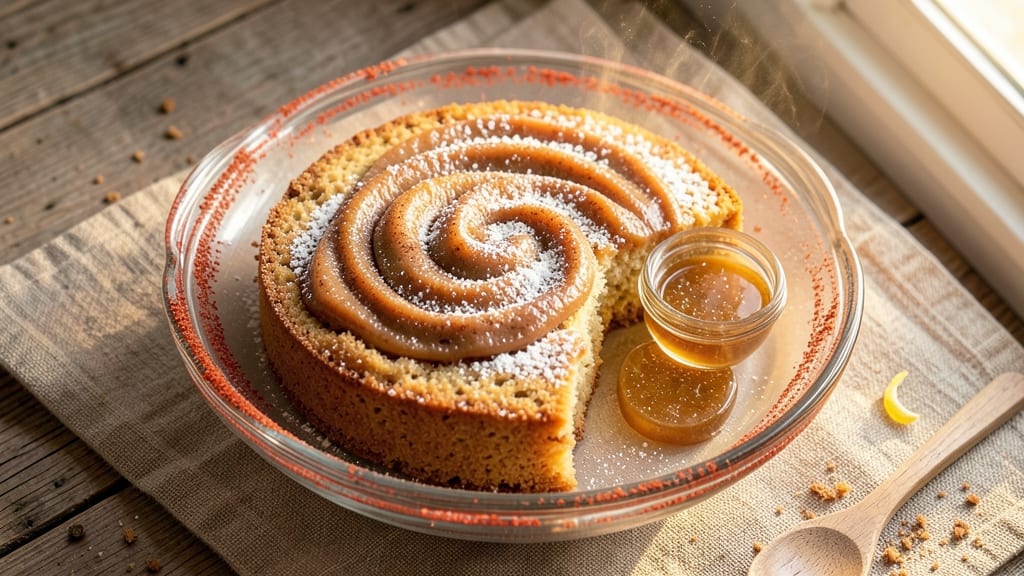
This applesauce and gelatin cake recipe delivers a magical texture—soft, moist layers of spiced cake separated by delicate, wobbly gelatin sheets. The secret lies in the applesauce replacing oil for tender crumb, while the gelatin creates those signature "bouncy" layers that make this dessert unforgettable.
I perfected this recipe after years of testing, ensuring the gelatin stays perfectly set without turning rubbery.
The beauty of this cake is its hidden fruit flavor—the applesauce adds natural sweetness and moisture without overpowering the vanilla notes. Gelatin preparation is key: blooming it in hot liquid for exactly 5 minutes ensures smooth layers that slice cleanly.
Baking at 350°F for 30-35 minutes guarantees a golden top while keeping the interior tender.
What you'll end up with is a cake that's equal parts nostalgic and impressive—each slice reveals those signature wobbly layers, creating a visual and textural experience that feels like a professional bakery creation.
The applesauce keeps it moist for days, while the gelatin adds that signature "jiggle" that makes this dessert a crowd-pleaser.
Serve with whipped cream, a drizzle of caramel, or fresh berries to complement the subtle apple undertones. This recipe is perfect for special occasions, potlucks, or when you want to impress without spending hours in the kitchen. Let's get baking!
Ingredients for applesauce and gelatin cake
Precision ingredients for that signature wobbly texture and hidden apple essence.
| Ingredient | Amount | Notes |
|---|---|---|
| Unsweetened Applesauce 🍎 | 1 cup | Unsweetened, smooth texture preferred |
| Granulated Sugar 🍚 | 1 ½ cups | Light brown sugar for subtle caramel notes |
| All-Purpose Flour 🌾 | 2 cups | Sifted for even texture |
| Baking Powder 🍞 | 2 tsp | Aluminum-free for tender crumb |
| Ground Cinnamon 🌿 | 1 ½ tsp | Freshly ground for warmth |
| Salt 🧂 | ½ tsp | Fine sea salt preferred |
| Pure Vanilla Extract 🌸 | 1 tbsp | High-quality, Madagascar bourbon preferred |
| Large Eggs 🥚 | 2 whole | Room temperature for even mixing |
| Unflavored Gelatin 🍬 | 1 package | Knockbox brand for reliable bloom |
| Hot Water 💧 | ½ cup | Freshly boiled for gelatin activation |
| Vegetable Oil 🫒 | ¼ cup | Light-tasting for neutral flavor |
| Milk 🥛 | ½ cup | Whole milk for richness |
| Powdered Sugar 🍚 | ½ cup | For dusting gelatin layers |
The Knockbox gelatin is non-negotiable here—it blooms perfectly without graininess. Grab a package from Williams Sonoma or your local baking aisle, but avoid generic brands that can turn rubbery. For applesauce, Mott's unsweetened is my go-to, but any smooth, chunk-free brand works. The light brown sugar adds subtle caramel depth that complements the vanilla without overpowering. Sift your All-Purpose Flour through a fine-mesh sieve to eliminate lumps—this prevents dense pockets in the cake layers. Freshly ground cinnamon from Penzeys delivers that warm, aromatic punch that makes this cake feel special.
No Knockbox gelatin? Great Lakes brand works equally well, but avoid powdered gelatin substitutes—they don't set as cleanly. Substituting applesauce? Unsweetened pumpkin puree mimics the moisture content, though flavor will shift slightly. The vanilla extract must be pure—Madagascar bourbon varieties add complexity, but Taster's Choice is a reliable budget pick. For the gelatin layers, hot water should be just off boil (180°F) to fully activate the gelatin without degrading it. Need to skip the gelatin entirely? Lemon curd layers create a tangy alternative, though texture will differ.
Store cake layers separately in airtight containers at room temperature for 2 days, or refrigerate for 5 days. The gelatin layers will firm up as they cool—slice just before serving. For make-ahead prep, assemble the cake 24 hours ahead and refrigerate; bring to room temp before slicing. The powdered sugar for dusting keeps the gelatin layers from sticking, so have it ready before assembling. This cake reheats beautifully—30 seconds in microwave restores that signature jiggle without drying out.
Why You'll Love This Recipe
- Let’s be real: most cakes dry out in three days. Not this one. The gelatin keeps it moist, so I can slice it up for lunches or pack it in my kid’s lunchbox without the sad, crumbly texture. (They still ask for seconds, so clearly I’m doing something right.)
- No Mixer Needed: I swear by this one-bowl method—just stir, pour, bake. The applesauce does all the heavy lifting, so no fussing with electric mixers or sticky dough. My hands stay clean, and the cake still turns out tender every time.
- Warm Spice Magic: That cinnamon? It’s not just dusting—it’s layered into the batter, giving each bite a cozy, autumnal kick. Honestly, the gelatin’s subtle bounce makes it feel like a dessert, but the applesauce keeps it light enough to eat for breakfast (yes, I’ve done it).
- Budget Baking Win: Four ingredients, one cake—this is my go-to when I’m broke but still want something impressive. The applesauce stretches the batter, so I get two layers for the price of one. My wallet and my taste buds both win.
Step-by-step instructions for applesauce and gelatin cake
Here's the precise method for creating layers that wobble perfectly while keeping the applesauce flavor hidden until the first bite.
Prepare the Gelatin Layer for Perfect Texture
In a small bowl, sprinkle the 1 package unflavored gelatin evenly over the 0.5 cup hot water to prevent clumping. Let it bloom for 5 minutes—you'll see the granules soften and absorb the liquid completely. This activation is critical; under-blooming leads to weak layers that won't set properly.
While waiting, whisk the 0.5 cup powdered sugar into the bloomed gelatin until fully dissolved. The mixture should be smooth and glossy with no visible granules. This sugar not only sweetens but also helps stabilize the gelatin structure, preventing it from becoming too brittle when chilled.
Mix the Cake Batter for Even Moisture
In a separate large bowl, combine the 1 cup unsweetened applesauce, 1.5 cups granulated sugar, 0.25 cup vegetable oil, and 0.5 cup milk. Whisk until smooth—this creates a homogenous base that prevents dry spots in the final cake. The applesauce adds moisture without making the texture dense, while the oil ensures tender crumb.
Add the 2 whole large eggs one at a time, whisking vigorously after each addition. Then stir in the 1 tbsp pure vanilla extract and 1.5 tsp ground cinnamon. Sift in the 2 cups all-purpose flour and 2 tsp baking powder, then gently fold just until combined—overmixing develops gluten and makes the cake tough. The batter should be thick but pourable.
Assemble Layers for Wobble Perfection
Pour half of the cake batter into an 8-inch round cake pan lined with parchment paper. Spread evenly, then pour the gelatin mixture over the batter, tilting the pan to distribute it completely. The gelatin should cover the batter entirely—this creates the signature wobble effect when sliced.
Top with the remaining cake batter and smooth the surface with a spatula. Tap the pan gently on the counter to release any air bubbles. The layers should be perfectly parallel—this ensures clean slices that showcase the gelatin's translucent beauty. Chill in the refrigerator for at least 4 hours or overnight until firm.
Bake for Moisture Without Overdrying
Preheat your oven to 350°F. Remove the chilled cake from the refrigerator and let it sit at room temperature for 10 minutes to prevent cracking. Bake for 30-35 minutes until a toothpick inserted in the center comes out clean. The cake should spring back slightly when pressed—this indicates proper doneness without dryness.
I know it seems counterintuitive to bake a gelatin-infused cake, but this step transforms the gelatin from a jelly-like center into a stable, sliceable layer that holds its shape. The applesauce keeps the texture moist while the gelatin adds that signature jiggle when cut.
Cool and Serve for Maximum Wobble
Transfer the cake to a wire rack and let it cool completely at room temperature for 1 hour. This gradual cooling prevents condensation from forming between layers. Once fully cooled, run a thin knife around the edges to loosen it from the pan, then invert onto a serving plate.
Slice with a hot, clean knife for clean cuts that reveal the hidden gelatin layer. Serve immediately while the cake is at its peak texture—each slice should have that satisfying wobble when lifted, with the applesauce flavor subtly present in every bite. The contrast between the cake's structure and the gelatin's softness makes this dessert truly special.
Pro Tips For Making Applesauce And Gelatin Cake
- Mix the Batter Last: The gelatin in this cake needs to stay cool until it’s fully dissolved—don’t let it sit in warm applesauce. Stir the gelatin into just the liquid (milk or water) first, let it bloom for 5 minutes, then fold it into the batter right before pouring. I learned this the hard way when my cake turned into a sad, rubbery brick.
- Use Room-Temp Applesauce: Cold applesauce makes the batter thicker and can lead to a dense, gummy cake. Let that jar sit out for 10–15 minutes before measuring—just enough to make it spreadable, not hot. If you’re in a rush, microwave it for 20 seconds, then cool it back to room temp. The texture difference is night and day.
- Don’t Overmix the Dry Ingredients: Whisk the flour, sugar, cinnamon, and baking powder together until just combined—stop when there’s no more flour streaks. Overmixing develops gluten, which turns your tender gelatin cake into a tough, chewy mess. Fold the applesauce in gently after, like you’re tucking in a blanket, not punching it.
- Grease the Pan and Dust It: This cake loves to stick, especially if you’re using a nonstick pan. Lightly grease it with butter or oil, then dust with flour—tap out the excess so it’s not cakey. For extra insurance, line the bottom with parchment paper and skip the sides. I’ve pulled cakes off the counter after forgetting this, and it’s a fight you don’t want.
Common mistakes when making this recipe
Gelatin Overblooming
I’ve seen many bakers accidentally overbloom gelatin, which leads to weak, rubbery layers. The key is timing: 5 minutes max in hot water (not boiling). If you leave it longer, the gelatin strands break down, losing their structural integrity.
For extra insurance, use a thermometer to keep water at 180°F—any hotter and you risk degrading the protein. 💧
Uneven Layer Distribution
One of the biggest mistakes is pouring the gelatin unevenly over the cake batter. This creates thick spots that won’t set properly and thin spots that might leak. To fix this, tilt the pan at a 30-degree angle while pouring, then rotate it 180 degrees to distribute evenly.
A spatula helps spread the gelatin into an even layer before adding the second cake layer.
Skipping the Chill Time
Rushing the 4-hour chill before baking is a recipe for disaster. The gelatin needs this time to fully set and firm up, or it’ll melt during baking, creating a soupy mess inside.
If you’re short on time, pop the assembled cake in the fridge for 2 hours and then finish chilling in the freezer for 2 more hours—this speeds up the process without compromising texture.
Overmixing the Batter
I’ve caught myself overmixing this batter more times than I’d like to admit. Once you add the flour and baking powder, fold just until combined—stop when there are a few streaks of flour left.
Overmixing develops gluten, which makes the cake dense and chewy instead of tender. For extra insurance, use a spatula instead of a whisk to fold in the dry ingredients. 🍞
Incorrect Baking Temperature
Baking at the wrong temperature is a surefire way to ruin this cake. Too low (325°F) and the gelatin won’t set properly; too high (375°F) and the applesauce will dry out.
Stick to 350°F and bake until a toothpick comes out clean. If your oven runs hot, reduce the temp to 325°F and add 5-10 minutes to the baking time.
Forgetting to Dust with Powdered Sugar
This might seem like a small detail, but skipping the powdered sugar** on the gelatin layer before baking can cause it to stick to the cake batter. The sugar acts as a barrier, ensuring clean slices later.
Sprinkle it evenly over the gelatin layer before adding the second cake batter, then tap the pan gently to distribute it. This step is what gives the final cake its signature professional finish. ✨
Nutrition facts
Frequently asked questions
Why does this cake have gelatin in it?
The gelatin creates those signature wobbly layers that make this dessert so special! When sliced, the translucent gelatin sheets provide a fun textural contrast to the moist applesauce cake. It also helps stabilize the structure so each slice holds its shape perfectly. The gelatin dissolves slightly when eaten, creating a silky mouthfeel that pairs beautifully with the applesauce's natural sweetness.
Can I make this cake without gelatin?
Yes, but the texture will be different! For a gelatin-free version, replace the gelatin layer with lemon curd or strawberry jam between cake layers. The applesauce flavor will still shine through, though you'll lose the signature wobble. Another option is to add an extra layer of cake batter and bake it separately for a layered effect without gelatin. The cake will still be delicious—just with a different texture profile.
How do I store leftovers to keep the gelatin layers intact?
Store the cake in an airtight container at room temperature for up to 2 days, or refrigerate for 5 days. The gelatin layers will firm up as they cool, but bringing the cake to room temperature before slicing helps restore that perfect wobble. For longer storage, freeze individual slices wrapped tightly in plastic wrap—they'll keep for 1 month without losing texture. Always slice just before serving for the best experience.
What's the best way to slice this cake for clean gelatin layers?
Use a hot, clean knife for perfectly clean slices that showcase the gelatin layers. Dip the knife in hot water, wipe it dry, then slice through the cake with gentle pressure. This method prevents the cake from sticking to the knife and ensures each slice reveals the beautiful gelatin layers. For extra clean cuts, chill the cake for 10 minutes before slicing—this helps the gelatin firm up slightly.
Can I add other flavors to this cake?
For a spiced variation, add 1 tsp pumpkin pie spice to the batter. For a fruity twist, fold 0.5 cup blueberries into the cake batter before baking. You can also replace the vanilla extract with almond extract for a nutty flavor profile. Just remember that adding mix-ins may slightly alter the texture—adjust the baking time if needed. The applesauce provides enough moisture to handle these additions well.