
Desserts
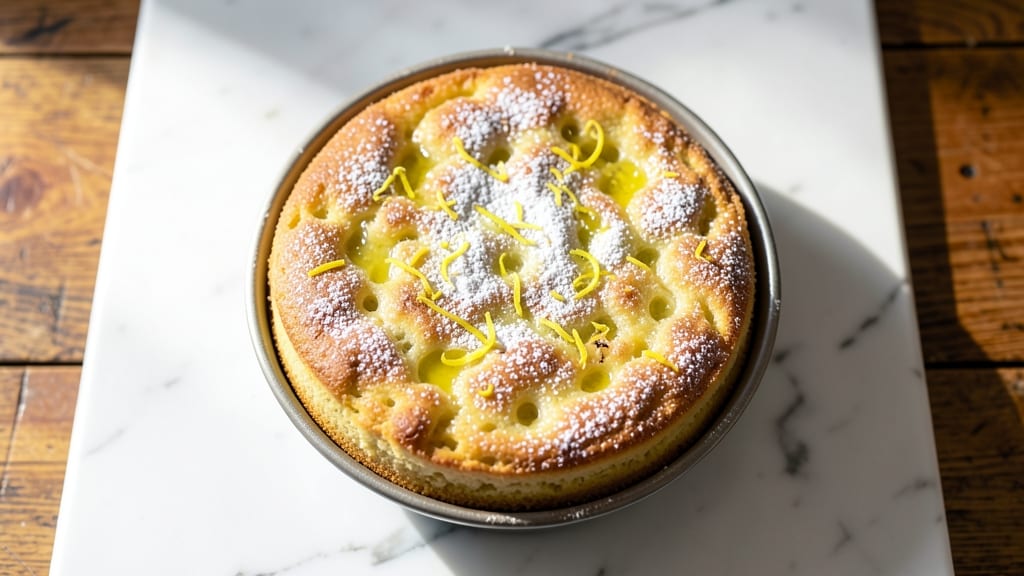
This anytime lemon cake recipe delivers moist, bright layers that taste like sunshine in every bite—no seasonal restrictions, just pure citrus joy. The secret lies in a simple technique that keeps the texture tender while amplifying that signature lemon flavor.
I’ve baked this version countless times, and it never fails to impress, whether you’re celebrating a special occasion or craving a midweek treat.
What makes this cake truly special is its foolproof method: a combination of buttermilk and sour cream ensures a tender crumb, while zested lemon in both the batter and filling creates that signature tangy-sweet balance.
The recipe comes together in under 30 minutes of active prep, with most of the work happening in the oven—perfect for busy schedules. No fancy equipment or advanced skills required, just a standard cake pan and a little patience.
By the time it emerges from the oven, you’ll have a cake with golden layers that cut cleanly and stay moist for days. The lemon filling adds a vibrant burst, while the optional cream cheese frosting (if you choose to add it) ties everything together with a velvety finish.
It’s the kind of dessert that feels indulgent but is simple enough to bake on a Tuesday night.
This recipe works year-round, making it ideal for birthdays, brunches, or just because. The bright citrus flavor pairs beautifully with tea, coffee, or even as a standalone treat. Let’s get started—your kitchen will smell like summer in no time.
Ingredients for anytime lemon cake
Bright citrus meets tender layers—just eight ingredients transform into sunshine on a plate.
| Ingredient | Amount | Notes |
|---|---|---|
| All-Purpose Flour 🌾 | 2 ½ cups | Sifted for light texture |
| Granulated Sugar 🍚 | 1 ½ cups | White or light brown |
| Buttermilk 🥛 | 1 cup | Room temperature preferred |
| Sour Cream 🍦 | ½ cup | Full-fat for richness |
| Unsalted Butter 🧈 | 1 cup | Cold, cubed for layers |
| Fresh Lemon Juice 🍋 | ¾ cup | From 3-4 lemons, freshly squeezed |
| Lemon Zest 🍋 | ¼ cup | Finely grated, vibrant yellow |
| Large Eggs 🥚 | 2 whole | Room temperature |
| Baking Powder 🧂 | 2 tsp | Diamond Crystal preferred |
| Salt 🧂 | ½ tsp | Fine sea salt |
| Vanilla Extract 🌿 | 1 tsp | Pure, high-quality |
| Powdered Sugar 🍚 | 1 ½ cups | For filling and frosting |
| Heavy Cream 🥛 | ½ cup | Cold for whipped frosting |
| Lemon Extract 🍋 | ½ tsp | Optional for extra lemon flavor |
The lemons should be juicy and fragrant—Meyer lemons if you can find them, but regular lemons work perfectly fine. Zest only the yellow part for vibrant color and maximum flavor. For the flour, King Arthur or Bob’s Red Mill brands are my go-tos—they bake up lighter. The buttermilk and sour cream are non-negotiable for that signature moist crumb; if you forget to grab buttermilk, mix 1 cup milk with 1 tbsp vinegar and let it sit for 5 minutes. The butter should be cold when you cut it into the flour mixture—this creates those perfect tender layers. Store-bought butter works fine, but European-style has a higher fat content for extra richness.
No buttermilk? Substitute with 1 cup milk plus 1 tbsp vinegar or lemon juice. Running low on sour cream? Plain Greek yogurt at half the amount keeps the texture tender. The vanilla extract matters here—imitation vanilla lacks depth, so splurge on a good bottle. For the lemon filling, if you can't find powdered sugar, sift granulated sugar and it'll work in a pinch. The heavy cream for frosting should be very cold when you whip it—straight from the fridge—for maximum volume. If you're feeling ambitious, add a splash of lemon extract to the filling for an extra citrus kick.
The batter keeps in the fridge for 2 days if you want to prep ahead, but I find it's best baked fresh. The finished cake stores beautifully at room temperature for 3 days, wrapped tightly in plastic. For longer storage, slice and freeze individual portions—they thaw quickly and taste just as bright. The lemon filling can be made a day ahead and stored in the fridge, but add the whipped cream topping just before serving to keep it light. This cake makes a great make-ahead dessert for parties—just assemble it the morning of.
Why You'll Love This Recipe
- Same batter, endless uses: slice it for breakfast toast, pack it for lunch, or frost it with whipped cream for a last-minute dessert. Honestly, I’ve served this at book clubs, potlucks, and even my kid’s birthday—no one ever questions why it’s on the menu.
- No Mixer Needed: I swear by this—just a bowl, a whisk, and my hands. The buttermilk and sour cream do all the heavy lifting, so you skip the greasy buttercream fuss. My hands stay clean, and the cake turns out light every time.
- Zesty Magic: That bright lemon juice cutting through the tender crumb? It’s the kind of flavor that makes you pause mid-bite. The sugar caramelizes just enough to balance the tang, and the butter keeps it rich without being heavy.
- Weeknight to Celebration: Same batter, endless uses: slice it for breakfast toast, pack it for lunch, or frost it with whipped cream for a last-minute dessert. Honestly, I’ve served this at book clubs, potlucks, and even my kid’s birthday—no one ever questions why it’s on the menu.
Step-by-step instructions for anytime lemon cake
This method delivers perfectly moist layers with vibrant lemon flavor every time.
Prepare the Batter with Cold Butter
Preheat your oven to 350°F and grease two 9-inch round cake pans or line them with parchment circles. In a large mixing bowl, combine the 2.5 cups all-purpose flour, 2 teaspoons baking powder, and ½ teaspoon salt. Whisk until evenly distributed—this ensures your cake rises properly without dense pockets.
In a separate bowl, cream together the 1 cup cold unsalted butter and 1.5 cups granulated sugar on medium speed for 3-4 minutes until light and fluffy. The butter should leave a ribbon-like trail when the beaters are lifted. This step incorporates air, which creates that signature tender crumb. Add the 2 whole eggs one at a time, mixing well after each addition.
Mix in the 1 teaspoon vanilla extract and ½ teaspoon lemon extract (if using), then alternate adding the dry ingredients and the 1 cup buttermilk beginning and ending with the flour mixture. Scrape down the sides of the bowl as needed to ensure even distribution. Finally, fold in the ½ cup sour cream and ¾ cup fresh lemon juice—this keeps the cake ultra-moist while balancing the acidity.
Fold in Lemon Zest for Maximum Flavor
Grate the ¼ cup lemon zest using a fine microplane or zester, making sure to remove only the vibrant yellow outer layer—not the bitter white pith. Fold this zest into the batter using a rubber spatula, working gently to maintain the air bubbles you created earlier. Overmixing now will develop gluten and make the cake tough.
Divide the batter evenly between the prepared cake pans. Tap each pan firmly on the countertop twice to eliminate any air bubbles that might cause uneven baking. Here's the thing—this step prevents domed tops and ensures your cake bakes evenly to a perfect golden finish.
Bake Until Golden with Internal Doneness
Place the cake pans in the preheated oven and bake for 25-30 minutes, or until a toothpick inserted into the center comes out clean with just a few moist crumbs clinging to it. The edges should be golden brown while the tops remain slightly springy to the touch—this indicates perfect doneness.
I recommend rotating the pans halfway through baking if your oven has hot spots. The cakes are done when they pull away slightly from the edges of the pans and have developed a subtle lemon aroma. Let them cool in the pans for 10 minutes before transferring to a wire rack to cool completely. This gradual cooling prevents cracking and maintains that perfect moist texture.
Prepare the Lemon Cream Filling
While the cakes cool, whip together the 1.5 cups powdered sugar, ½ cup heavy cream, and ¼ cup fresh lemon juice in a chilled mixing bowl. Beat on high speed until soft peaks form—about 2-3 minutes. This light, airy filling balances the rich cake layers perfectly.
For extra lemon flavor, you can add the ½ teaspoon lemon extract to the filling mixture. The extract intensifies the citrus notes without altering the texture. Taste as you go—adjust the lemon juice slightly if needed to achieve the perfect tangy-sweet balance.
Assemble and Frost for Perfect Layers
Once the cakes are completely cool, level the tops if needed using a serrated knife. Place one cake layer on a serving plate and spread an even layer of the lemon cream filling over the top. Here's where it gets fun—place the second cake layer on top and press down gently.
Spread the remaining filling over the top and sides of the cake, creating a smooth, even layer. For a polished finish, dust the top with additional powdered sugar or add a simple lemon glaze made by mixing ½ cup powdered sugar with 1 tablespoon lemon juice. Serve immediately or refrigerate for up to 24 hours—the flavors actually improve as they meld together.
Pro Tips For Making Anytime Lemon Cake
- MIX DRY INGREDIENTS FIRST: I learned this the hard way—skipping the flour-sugar mix before adding wet ingredients leads to lumps that ruin the tender crumb. Sift the flour and sugar together, then whisk in the baking powder, so everything dissolves smoothly when the buttermilk hits.
- MEASURE BUTTERMILK ACCURATELY: Buttermilk’s acidity varies by brand, and too much or too little throws off the cake’s lift and moisture. Use a kitchen scale if you can, or measure in a liquid cup—tap it gently to settle, then read at eye level. No guesswork.
- DON’T OVERMIX THE BATTER: The second you add the buttermilk, stop mixing after just 10-12 strokes. Overworking the batter develops gluten, and your cake will turn out dense instead of light. A few streaks of flour are fine—it’s supposed to look slightly uneven.
- BAKE UNTIL THE CENTER HITS 205°F: I used to pull cakes out when the edges looked set, only to have them sink later. Insert a skewer into the center—it should come out clean with maybe a few crumbs. If it’s wet, bake another 5 minutes. No shortcuts here.
Troubleshooting this recipe
Dense or Dry Cake
If your lemon cake turns out dense or dry, it’s usually from overmixing the batter or baking too long. The buttermilk and sour cream are key for moisture—ensure they’re at room temperature before mixing.
Overmixing develops gluten, making the cake tough. I’ve found that folding in the lemon zest and sour cream at the end (after alternating wet/dry ingredients) preserves that tender crumb. 💫
Uneven Baking
Hot spots in your oven can cause uneven baking, leading to one side being darker or undercooked. Rotate the cake pans halfway through baking to ensure even heat distribution. Also, check your oven’s temperature accuracy—many ovens run hot.
If your cake rises too quickly but doesn’t brown evenly, try lowering the temperature by 25°F and baking for 5-10 minutes longer.
Soggy Bottoms
Soggy bottoms happen when steam gets trapped in the cake pans. Always grease your pans thoroughly with butter and flour (or use parchment circles) to prevent sticking.
Let the cakes cool in the pans for 10 minutes before transferring to a wire rack—this helps set the structure while allowing steam to escape gradually. If you’re using dark-colored pans, consider lining them with parchment to reflect heat more evenly.
Lemon Flavor Too Mild
The lemon flavor can fade if the zest isn’t fresh or if you skip the lemon extract in the filling. Use only the vibrant yellow zest (avoid the bitter white pith) and freshly squeezed juice for maximum brightness.
For an extra boost, add ½ teaspoon lemon extract to both the batter and filling. I’ve also found that Meyer lemons add a natural sweetness that balances the tartness beautifully. 🍋
Cracked Top
Cracks usually appear when the cake cools too quickly or if the oven isn’t fully preheated. Tap the pans firmly on the counter twice before baking to remove air bubbles, which can cause uneven expansion.
Also, avoid opening the oven door during the first 20 minutes of baking—temperature fluctuations can disrupt the structure. If cracks do appear, they’re purely cosmetic and won’t affect the flavor or texture.
Nutrition facts
Frequently asked questions
Can I make this lemon cake in a bundt pan instead of round pans?
This recipe works beautifully in a 10-12 cup bundt pan for a single, elegant layer. Just reduce the baking time to 20-25 minutes and check for doneness early—bundt cakes bake faster than round layers. Grease the pan thoroughly with butter and flour to prevent sticking, and tap it firmly on the counter twice before baking to remove air bubbles. The lemon flavor will shine just as brightly in the unique shape!
How do I store leftovers to keep them moist?
Wrap the cake tightly in plastic wrap or store it in an airtight container at room temperature for up to 3 days. For longer storage, slice the cake and freeze individual portions—they’ll keep for 2 months and thaw quickly. The secret to moisture is never storing it in the fridge uncovered, as that causes drying. A quick spritz of lemon juice before wrapping can also help preserve that bright citrus flavor.
What's the best way to make this cake gluten-free?
Replace the all-purpose flour with a 1:1 gluten-free baking flour blend (like Bob’s Red Mill or King Arthur) and add ½ teaspoon xanthan gum to the dry ingredients. For extra moisture, reduce the flour by ¼ cup and add 2 tablespoons cornstarch to compensate. You may also need to increase the buttermilk by 2 tablespoons since gluten-free flours absorb more liquid. Test the batter consistency—it should be slightly thicker than traditional cake batter.
Can I use this recipe for cupcakes instead of a layer cake?
Yes! Divide the batter among 24 lined cupcake tins and bake at 350°F for 18-20 minutes. The lemon flavor works perfectly in cupcake form, especially with a simple lemon glaze or cream cheese frosting. For extra height, bake in two batches. The cupcake version is ideal for parties or when you want individual servings—just adjust the filling to ½ cup total for piping between layers.
Why does my lemon cake sometimes taste bitter?
Bitterness usually comes from using the white pith when zesting lemons or overdoing the lemon juice. Always zest only the vibrant yellow outer layer—never the bitter white membrane underneath. For the filling, stick to ¼ cup lemon juice and taste as you go. If you used Meyer lemons (which are naturally sweeter), you might need slightly less sugar in the filling. The lemon extract can also intensify flavor—use it sparingly if you're sensitive to strong citrus notes.