
Desserts
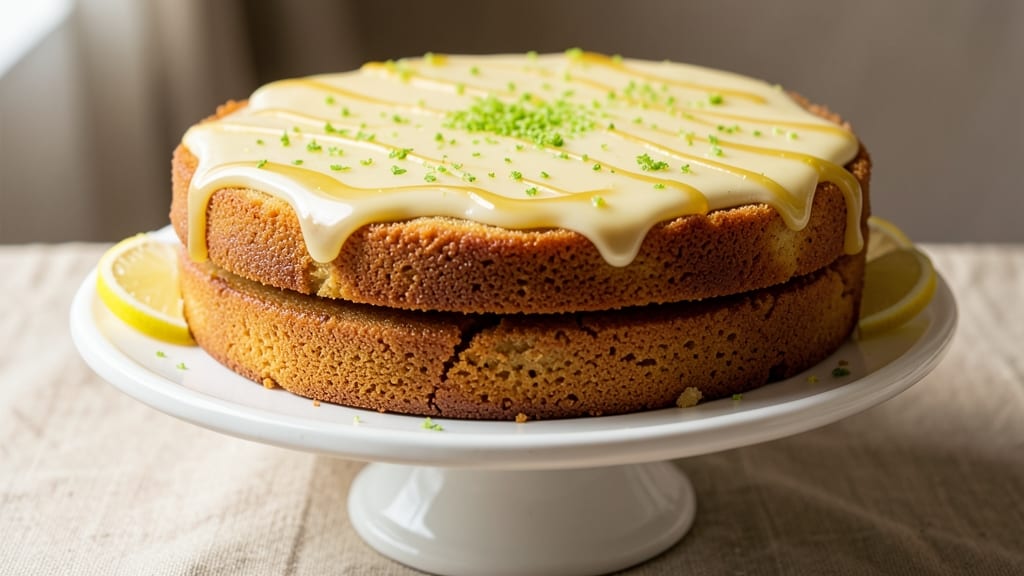
Anna Olson’s lemon pound cake delivers that perfect balance of buttery richness and bright citrus zing that makes every slice irresistible. 💛 The secret lies in her signature crust—flaky, golden, and just sweet enough to complement the moist, tender cake beneath.
This isn’t your average lemon cake; it’s a showstopper with layers of flavor that linger long after the first bite.
What sets this recipe apart is Anna’s precision in balancing sweetness and acidity, ensuring the lemon flavor shines without overpowering the delicate crumb. The cake bakes up with a tender yet sturdy texture, while the crust adds an extra layer of indulgence that elevates it from dessert to centerpiece.
Whether you’re baking for a special occasion or a cozy weekend treat, this recipe delivers foolproof results every time.
Once baked, the cake’s aroma alone will have your kitchen smelling like a sunlit bakery, and the first slice reveals a moist interior with just the right amount of citrus brightness.
The crust, with its perfect golden hue, adds a touch of sophistication that makes this cake feel like a restaurant-worthy dessert. Serve it warm with a dusting of powdered sugar or chilled with a dollop of whipped cream for the ultimate lemony indulgence.
Perfect for brunch gatherings, holiday desserts, or simply satisfying a sweet craving, this lemon pound cake is a crowd-pleaser that never disappoints. The recipe is designed to be approachable yet impressive, ensuring you’ll achieve bakery-quality results with minimal fuss. Let’s get baking!
Ingredients for anna olson lemon pound cake
These 13 ingredients create Anna's legendary lemon pound cake with golden crust and zesty citrus heart.
| Ingredient | Amount | Notes |
|---|---|---|
| All-Purpose Flour 🌾 | 3 cups | Sifted for light texture |
| Granulated Sugar 🍚 | 2 cups | Superfine for smooth crumb |
| Unsalted Butter 🧈 | 1 ½ cups | Cold, cubed for crust |
| Fresh Lemon Juice 🍋 | 1 cup | From 4-5 lemons, strained |
| Lemon Zest 🍋 | ½ cup | Finely grated, vibrant yellow |
| Large Eggs 🥚 | 4 whole | Room temperature for blending |
| Baking Powder 🍃 | 2 tbsp | Aluminum-free preferred |
| Salt 🧂 | ½ tsp | Fine sea salt |
| Vanilla Extract 💧 | 2 tsp | Pure Madagascar preferred |
| Powdered Sugar 🍚 | 1 cup | For dusting crust |
| Granulated Sugar 🍚 | ¼ cup | For crust mixture |
| Cornstarch 🌾 | 1 tbsp | For crisp crust |
| Heavy Cream 🥛 | ½ cup | Cold for crust |
The butter and sugar are non-negotiable here—European-style butter like Plugrá or Kerrygold gives that rich, creamy texture. For the crust, Wegmans or Whole Foods carry the best cold butter in bulk, but any high-fat butter works. The lemons? Meyer lemons if you can find them—they're sweeter and more fragrant, but regular lemons work too. Zest those lemons well; that bright yellow color and citrus punch are what make this cake special. If you're using store-bought lemon juice, ReaLemon is the closest to fresh, but freshly squeezed is always better.
No Meyer lemons? Regular lemons plus 1 tbsp extra sugar balances the tartness. Running short on butter? Vegetable shortening at 3/4 the amount keeps the crust crisp, though it won't taste quite as rich. The powdered sugar for the crust can be swapped for confectioners' sugar if that's what you've got—just sift it well. For the cake itself, if you don't have superfine sugar, pulse granulated sugar in a food processor for 30 seconds to get finer grains. The cornstarch in the crust is key—it's what gives that perfect golden crunch. No cornstarch? Arrowroot powder at the same amount works just as well.
This cake keeps beautifully—3 days at room temperature wrapped tightly in plastic, or 1 week refrigerated in an airtight container. For longer storage, slice and freeze portions for up to 3 months. The crust stays crisp if you reheat slices in the oven at 350°F for 5 minutes. I always bake two cakes—one for the table and one to freeze for lazy days. The crust mixture can be prepped ahead and chilled for 24 hours before using—it actually develops better flavor that way.
Why You'll Love This Recipe
- No-Mix Needed: I swear by this recipe because you just fold the dry ingredients into the butter-sugar mix—no creaming, no fuss. The butter stays cold, the flour gets cut in like a dream, and the batter’s so smooth it feels like cheating.
- Zesty Magic: That bright lemon zest and juice? It’s the secret weapon—tangy, fresh, and just sweet enough. The crust stays tender but snappy, while the inside stays moist for days. Honestly, I’ve never had a pound cake this addictive.
- Weekend or Weeknight: Slice it warm for breakfast with butter, or serve it chilled with whipped cream at a brunch. (Yes, even on a Tuesday night.) It’s also the perfect make-ahead dessert—just wrap it and stash it for when you need something effortless.
- Budget-Friendly Luxury: Uses pantry staples (flour, sugar, butter) but tastes like you spent hours. The lemon juice and zest elevate it without breaking the bank—plus, leftovers? They disappear faster than I can say “second slice.”
Step-by-step instructions for Anna Olson's lemon pound cake
This is where the magic happens—where buttery crust meets tangy lemon heaven. Let's bake it right!
👨🍳 Step 1: Prepare the Crust Mixture
In a medium bowl, combine the 1.5 cups unsalted butter (cold, cubed), 0.25 cup granulated sugar, 0.5 cup heavy cream, and 1 tbsp cornstarch. Use a pastry cutter or your fingers to work the butter into the dry ingredients until it resembles coarse crumbs with pea-sized butter pieces—this creates that signature Anna Olson crunch.
Press this mixture evenly into a greased 10-inch tube pan, tapping the pan gently on the counter to help it settle. The crust should be about ¼-inch thick and completely cover the bottom and sides. Chill in the refrigerator for 20 minutes while you prep the cake batter—this keeps the crust firm during baking.
🍳 Step 2: Whisk Dry Ingredients for Light Texture
In a large bowl, sift together the 3 cups all-purpose flour, 2 tbsp baking powder, and 0.5 tsp salt. Whisk gently to remove any lumps—this ensures a tender crumb. Set aside. Here's the thing—sifting prevents dense pockets in your cake, so don't skip this step!
In a separate bowl, combine the 2 cups granulated sugar, 0.5 cup lemon zest, and 2 tsp vanilla extract. Mix until the zest is evenly distributed and the sugar glistens slightly. This lemon-sugar blend is what gives Anna Olson's cake that signature bright flavor profile.
🍳 Step 3: Cream Butter and Eggs for Maximum Fluffiness
In the bowl of a stand mixer fitted with the paddle attachment, beat the 1.5 cups unsalted butter (softened but not melted) on medium speed for 3-4 minutes until pale and fluffy. Add the 4 whole large eggs, one at a time, mixing well after each addition. Scrape down the sides of the bowl as needed—this keeps everything evenly incorporated.
Gradually add the sugar-zest mixture while mixing on medium speed, scraping the bowl again after each addition. The batter should look light and airy, almost like a pale yellow cloud. This creaming process is what creates that signature Anna Olson pound cake texture—don't rush it!
🥘 Step 4: Combine Wet and Dry Ingredients
With the mixer running on low speed, alternately add the dry ingredients and the 1 cup fresh lemon juice in three additions. Start and end with the dry ingredients, mixing just until combined after each addition. Overmixing develops gluten and makes the cake tough, so stop as soon as the batter comes together.
The batter should be thick but pourable. Pour it over the chilled crust in the prepared pan, spreading it evenly. Tap the pan gently on the counter again to release any air bubbles. Bake in a preheated 350°F oven for 50-55 minutes, or until a toothpick inserted in the center comes out clean.
⏰ Step 5: Cool and Dust for Showstopping Presentation
Remove the cake from the oven and let it cool in the pan for 10 minutes. Then invert it onto a wire rack to cool completely. While it cools, dust the top with 1 cup powdered sugar using a fine-mesh sieve—this adds that signature Anna Olson finish and balances the bright lemon flavor.
Slice when completely cool for clean, moist layers with that perfect buttery crust. Serve with a dollop of whipped cream or a dusting of powdered sugar for an extra-special touch. This cake keeps well at room temperature for up to 3 days or can be refrigerated for up to 5 days—if it lasts that long!
Pro Tips For Making Anna Olson Lemon Pound Cake
- WEIGH YOUR BUTTER: I learned this the hard way—packing butter into cups gives you way more than you need. Use a kitchen scale for the butter (and sugar, if you’re precise). The cake’s texture depends on accurate ratios, and you’ll avoid a greasy mess from overestimating.
- ZEST FRESH, JUICE STRAIN: Buy the juiciest lemons you can find, then zest just the outer yellow layer—no white pith, or it’ll turn bitter. For the juice, strain it through a fine-mesh sieve to remove pulp; thick juice makes the cake dense and gummy.
- BAKE UNTIL 205°F: The recipe might say “done when a toothpick comes out clean,” but I’ve found this cake needs to hit 205°F internally for that perfect crumb. A slightly underbaked pound cake stays gummy; let it ride a few extra minutes if needed.
- ROOM-TEMP BUTTER SAVES TIME: Cold butter creates pockets in the batter that don’t fully dissolve, leading to a cake with uneven texture. Let your butter sit out for 30–45 minutes before creaming—it mixes smoother and yields a finer crumb. (Yes, even if you’re impatient like me.)
Troubleshooting your anna olson lemon pound cake
Cake Too Dense
If your cake turns out dense, the issue is likely overmixing or undercreaming the butter. Anna Olson’s recipe relies on a light, airy texture from properly creamed butter and eggs—beat them together for 3-4 minutes until pale and fluffy.
Also, ensure your flour is sifted and don’t overmix after adding the dry ingredients. A toothpick inserted in the center should come out with a few moist crumbs, not wet batter.
Crust Not Crispy
A soggy crust usually means the butter melted before baking or the pan wasn’t properly chilled. Use cold, cubed butter (not softened) and chill the crust mixture for 20 minutes before baking.
Press it firmly into the pan and avoid overfilling—leave room for the cake batter to expand. If the crust still softens, bake the cake for 2-3 minutes longer to set the edges.
Lemon Flavor Too Mild
Fresh lemon juice and zest are non-negotiable for bright flavor. If your cake tastes bland, you may have used bottled juice (which lacks vibrancy) or underzested the lemons. Use 1 cup fresh lemon juice from 4-5 lemons and ½ cup finely grated zest—Meyer lemons add extra sweetness if available.
For extra zing, add 1 tbsp lemon extract to the batter or brush slices with extra juice before serving.
Cake Sinks in Center
A sunken center often means the oven wasn’t hot enough or the cake was opened too soon. Preheat your oven to 350°F and use an oven thermometer to confirm accuracy. Avoid opening the oven door during baking—let the cake bake undisturbed for the full 50-55 minutes.
If it still sinks, try baking at 325°F for 60 minutes for a slower rise.
Batter Too Thin
Thin batter can result from using too much lemon juice or not enough flour. Measure your flour accurately (spoon and level) and ensure you’re using 3 cups all-purpose flour. If the batter is still too runny, add 1-2 tbsp extra flour until it reaches a thick, pourable consistency.
Overmixing can also thin the batter, so mix just until combined after adding the dry ingredients.
Cake Sticks to Pan
Grease your 10-inch tube pan thoroughly with butter and flour, then line the bottom with parchment paper for easy release. If the cake still sticks, the pan may not have been greased enough or the crust wasn’t chilled properly.
For extra insurance, dust the pan with powdered sugar before adding the crust mixture—it creates a nonstick barrier while adding sweetness.
Nutrition facts
Frequently asked questions
Can I substitute bottled lemon juice for fresh?
Fresh lemon juice gives the brightest flavor, but you can use bottled in a pinch. For best results, use 1 cup ReaLemon (not concentrate) and add an extra 1 tbsp lemon zest to compensate for the milder taste. The cake will still be delicious, but the citrus punch won't be as vibrant as with fresh juice.
How do I make this cake gluten-free?
Replace the all-purpose flour with a 1:1 gluten-free baking flour blend (like Bob's Red Mill or King Arthur) plus ½ tsp xanthan gum. For the crust, use a gluten-free flour blend with 1 extra tbsp cornstarch to improve texture. Note that gluten-free versions may be slightly denser—bake for 5-7 minutes longer and check doneness with a toothpick.
What's the best way to store leftovers?
Wrap individual slices tightly in plastic wrap and store at room temperature for 2 days, or refrigerate for up to 5 days in an airtight container. For longer storage, freeze slices (without frosting) for up to 3 months. To refresh, warm frozen slices at 350°F for 5 minutes—the crust will crisp up beautifully.
Can I add fillings like lemon curd?
After baking, let the cake cool completely, then slice horizontally to create layers. Spread ½ cup lemon curd between layers and dust with powdered sugar. For extra flavor, brush the sides with 2 tbsp lemon syrup (equal parts sugar and water, heated until dissolved). Assemble and chill for 1 hour before serving.
Why does Anna Olson's recipe use a tube pan?
The 10-inch tube pan creates the signature shape with its tall center tube, which bakes faster than the outer layers. This design helps prevent overbrowning while ensuring even cooking. The tube also makes beautiful, even slices for serving. For a different presentation, you can bake in a 9-inch round pan (reduce baking time by 5-7 minutes).