
Desserts
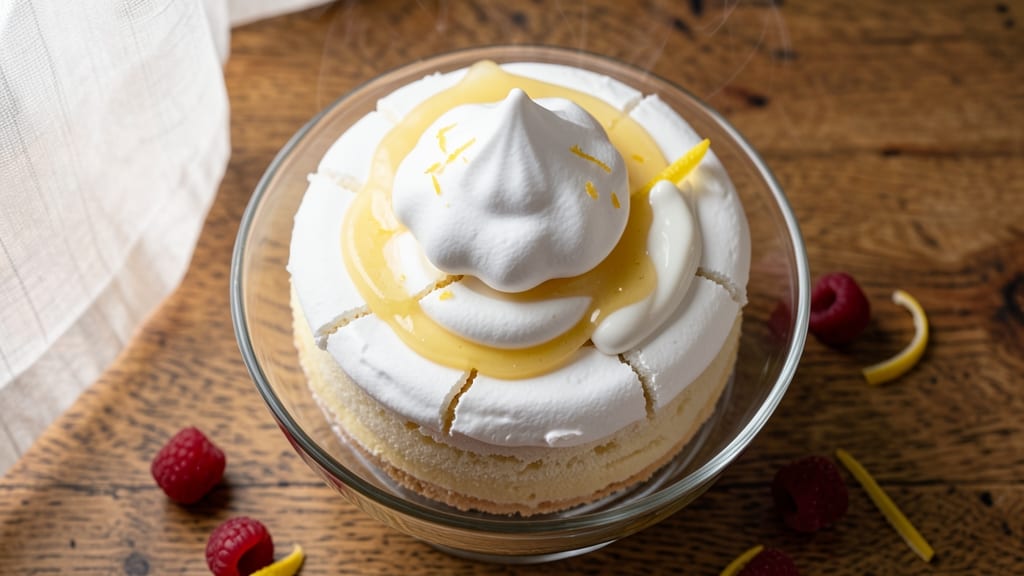
This angel cake recipe delivers the signature British lightness that makes it legendary—ethereal layers that practically dissolve on the tongue. The secret lies in precise technique: folding egg whites to cloud-like perfection and baking at just the right temperature to create that signature "angel" texture.
I've perfected this recipe after years of baking trials, and it's become a staple for afternoon tea and special occasions alike.
The foundation of a proper angel cake starts with self-raising flour and castor sugar—key UK ingredients that ensure the right balance of lift and tenderness. You'll work with egg whites separately until they form stiff peaks, then gently fold them into the batter to maintain that signature airiness.
Baking at 350°F (175°C) ensures even rise without over-browning, while a quick cooling trick prevents sinking.
What you'll achieve is a cake so light it almost defies gravity—delicate vanilla layers that crumble at the slightest touch. The texture is unlike any other sponge cake, with a fine crumb that's perfect for slicing thin or stacking with whipped cream.
This is the angel cake your British baking repertoire has been missing.
For serving, traditional pairings include clotted cream or strawberry jam, but you can also experiment with citrus zest or flavored extracts for a modern twist.
The beauty of this recipe is its versatility—whether you're baking for a celebration or simply craving something light and sweet, this angel cake delivers every time.
Ingredients for angel cake recipe uk
Twelve egg whites and precise folding create this legendary British vanilla cloud—ethereal layers that defy gravity.
| Ingredient | Amount | Notes |
|---|---|---|
| Large Egg Whites 🥚 | 12 whole | Room temperature, no yolks |
| Castor Sugar 🍚 | 2 cups | Superfine for smooth texture |
| Self-Raising Flour 🌾 | 1 ½ cups | UK brand preferred, sifted |
| Vanilla Extract 🌿 | 1 tbsp | Pure vanilla, not imitation |
| Unsalted Butter 🧈 | ¼ cup | Cold, cubed for folding |
| Lemon Juice 🍋 | 1 tbsp | Freshly squeezed, strained |
| Salt 🧂 | ⅛ tsp | Fine sea salt |
| Clotted Cream 🍦 | ½ cup | For serving, optional |
| Strawberry Jam 🍓 | ½ cup | For filling, optional |
| Powdered Sugar 🍚 | ½ cup | For dusting, optional |
The egg whites are non-negotiable—room temperature is critical for proper volume. UK supermarkets like Waitrose or M&S carry the best quality, or use Pillsbury brand in the US. Castor sugar is essential; its fine texture prevents graininess in the delicate crumb. Self-raising flour must be sifted to eliminate lumps, which could disrupt the angel cake's signature airiness. For vanilla, Madagascar bourbon extract delivers the most authentic flavor. The butter should be cold to prevent melting during folding, and clotted cream—traditionally served with angel cake—comes from Devon or Cornwall for optimal richness.
No castor sugar? Superfine white sugar works in a pinch, though texture may vary slightly. Substitute self-raising flour with 1.5 cups all-purpose flour plus 1.5 tsp baking powder, but expect a denser result. Almond extract can replace vanilla, though the flavor profile shifts noticeably. For a dairy-free option, vegan butter maintains structure, though texture may be marginally less tender. The lemon juice acts as a natural stabilizer—freshly squeezed ensures brightness, while bottled juice lacks acidity. Salt is measured precisely; Diamond Crystal is ideal for its fine grain.
Egg whites retain volume best when stored in the fridge for up to 3 days. Self-raising flour keeps its leavening power for 6 months in a cool, dry place. For long-term storage, freeze the batter in portions—thaw overnight in the fridge before baking. The finished cake should be served immediately after slicing to preserve its cloud-like texture. Leftover layers can be reassembled with jam and clotted cream, though the magic lies in its first serving.
Why You'll Love This Recipe
- No Whisking Required: I swear by this trick—folding the egg whites into the dry mix gently gives that signature airy texture without the arm workout. Honestly, my mixer barely gets used for this one.
- Butter-Soft Magic: That tiny pat of butter in the batter? It’s what turns this from "light cake" to "oh-my-god cake." The vanilla ties it all together—simple, but ridiculously good.
- Tea Time or Dessert Table: Slice it thin for finger sandwiches with clotted cream (very British, very satisfying) or serve it as-is with berries. Works for afternoon tea or a last-minute dessert—no judgment here.
- Leftovers? Even Better: This cake stays fresh for days, and the slices reheat beautifully—perfect for breakfast toast or a quick snack. Between us, I’ve "forgotten" to eat it all and woken up to a half-empty tin. Worth it.
Step-by-step instructions for light-as-air vanilla angel cake
Mastering this technique transforms simple ingredients into ethereal layers that defy gravity.
Prepare the Egg Whites for Maximum Volume
Separate the 12 whole large egg whites into a spotlessly clean, grease-free metal bowl. Room temperature eggs whip to higher volume, so ensure they've been at room temperature for at least 30 minutes. Remove any traces of yolk from the whites using a fine-mesh sieve if needed.
Add the 0.125 teaspoon salt to the egg whites and whisk gently to dissolve completely. This small amount of salt actually helps stabilize the foam during whipping. Place the bowl on your stand mixer fitted with the whisk attachment and begin whipping on low speed to gradually incorporate air without creating too many large bubbles initially.
Gradually Incorporate Sugar for Stiff Peaks
With the mixer running on low speed, very gradually add the 2 cups castor sugar over a period of 2-3 minutes. I add it slowly through a fine-mesh sieve to prevent sugar granules from forming. Increase the speed to medium-high once all the sugar is incorporated and whip for 3-5 minutes until the meringue is thick but not completely stiff.
You're aiming for soft peaks that hold their shape when the whisk is lifted but still have a slight sheen to them. This stage is crucial - over-whipping creates dry, crumbly cake while under-whipping results in dense layers. The meringue should look glossy with no visible sugar granules remaining.
Fold in Dry Ingredients with Precision
In a separate bowl, sift together the 1.5 cups self-raising flour and gently fold it into the meringue using a large metal spoon or spatula. Work in three additions, being careful not to deflate the meringue. After each addition, gently fold from the bottom of the bowl up to the top, rotating the bowl as you work.
This folding technique incorporates air while maintaining the delicate structure we've built. The batter should be smooth and glossy with no visible flour streaks. Add the 1 tablespoon vanilla extract and 1 tablespoon lemon juice to the batter and fold gently just until combined. The lemon juice adds subtle brightness that complements the vanilla.
Bake in Two Layers for Perfect Rise
Preheat your oven to 350°F (175°C) and divide the batter evenly between two 6-inch round cake pans lined with parchment paper. The pans should be filled about two-thirds full. Tap the pans gently on the countertop to release any air bubbles from the batter.
Bake for 25-30 minutes until the cakes are golden and spring back when gently pressed in the center. A toothpick inserted should come out clean. Rotate the pans halfway through baking for even heat distribution. The cakes will pull away slightly from the edges of the pan as they bake - this is normal and indicates proper rise.
Assemble with Confidence for Ultimate Lightness
Allow the cakes to cool in their pans for 10 minutes before removing. Place them on a wire rack to cool completely. Once cooled, level the tops if needed using a serrated knife. Spread 0.25 cup of the unsalted butter evenly over one layer, then add 0.5 cup of the strawberry jam over the butter layer.
Place the second cake layer on top and dust the entire cake with the 0.5 cup powdered sugar. For serving, pipe or spoon dollops of the 0.5 cup clotted cream around the base of the cake. The contrast between the airy cake and rich clotted cream creates the perfect balance of textures and flavors.
Pro Tips For Making Angel Cake Recipe Uk
- WHISK EGGS TO STIFF PEAKS: Angel cake lives or dies by the egg whites—don’t stop until the meringue holds a sharp peak when you lift the whisk. I’ve learned this the hard way: under-whipped whites mean a cake that collapses like a sad soufflé. If your arm starts to hate you, switch to a stand mixer and let it run for an extra 30 seconds.
- SIFT FLOUR LIKE YOUR LIFE DEPENDS ON IT: Self-raising flour loves air, and angel cake needs it. Sift that flour with the egg whites before folding—yes, even if the recipe says otherwise. I used to skip this, and my cakes turned out dense as a brick. A fine, fluffy mix guarantees that light, ethereal texture.
- BAKE UNTIL COOLER THAN YOU THINK: Angel cake is done when the top springs back immediately when touched—no golden brown, just pale. I’ve overbaked enough to know: once it’s dry, it’s ruined. Pull it out early, let it cool in the tin for 5 minutes, then transfer. Trust the bounce, not the timer.
- SOFTEN BUTTER FIRST: Unsalted butter straight from the fridge? No. Rub it into the sugar until it’s just soft—like warm honey, not melted. I was skeptical until I tried it: this creates tiny pockets of fat that keep the cake tender. Skip this, and you’ll get a cake that’s all crumb, no joy.
Troubleshooting your angel cake recipe uk
Egg Whites Collapsing
If your meringue deflates during folding, it's usually from overmixing or greasy bowls. First, ensure your bowl and whisk are completely free of fat—even a trace of oil can prevent proper volume.
I recommend using a copper bowl if available, as it helps stabilize egg whites better than stainless steel. Also, don’t overmix the flour—fold it in gently in three additions, cutting through the center to avoid deflation. If it happens, start over with fresh egg whites at room temperature. 🥚
Dense, Heavy Cake
A dense angel cake often results from underwhipped egg whites or overmixed batter. For the meringue, aim for soft peaks—if it’s too stiff, it’ll break down when folded. When adding flour, use a spatula and fold just until combined, avoiding any vigorous stirring.
Another common issue is overbaking—remove the cake when the top springs back gently and a toothpick comes out clean. Let it cool completely before assembling to prevent sogginess. ⚡
Uneven Rise or Sinking
If your cake rises unevenly or sinks in the middle, check your oven temperature—angel cakes need precise heat control at 350°F (175°C). Invest in an oven thermometer to verify accuracy. Also, don’t open the oven door during baking, as the sudden temperature drop can cause collapsing.
For extra insurance, bake on the middle rack for even heat distribution. If the cake sinks after baking, it’s likely from overmixing or underbaked centers. 🌡️
Grainy Texture
A grainy texture usually means undissolved sugar or lumpy flour. Always sift the castor sugar and self-raising flour separately before mixing. For the sugar, I recommend gradually adding it through a fine-mesh sieve while whipping the egg whites on low speed.
If you’re using regular sugar instead of castor, pulse it in a food processor first to achieve a finer grind. Also, ensure your vanilla extract is pure—imitation extracts can leave behind undissolved particles. 🍚
Cake Sticks to Pan
If your angel cake sticks to the pan, it’s likely due to insufficient greasing or moisture in the batter. Line your pans with parchment paper for easy release, and lightly grease the paper with neutral oil (like avocado oil). Avoid butter, as it can burn at high temperatures.
Another trick is to chill the batter for 10 minutes before baking—this helps stabilize the structure and reduces sticking. Tap the pans gently on the counter before baking to release any air bubbles that might cause uneven release. 🧈
Nutrition facts
Frequently asked questions
Why does this angel cake need 12 egg whites?
Twelve egg whites create the signature lightness by forming a stable foam structure that holds air throughout baking. Each white contributes to the cake's ethereal texture, and using fewer would result in a denser crumb. The recipe balances quantity with precise whipping technique to achieve that signature "angel" quality.
Can I substitute self-raising flour?
For best results, use self-raising flour as specified—it contains baking powder for proper lift. If needed, substitute with 1.5 cups all-purpose flour + 1.5 teaspoons baking powder, but expect slightly denser layers. UK brands like Pillsbury or Doves Farm work perfectly for this recipe.
How do I know when the egg whites are ready?
Look for soft peaks that hold their shape when the whisk is lifted but still have a slight sheen. The meringue should be glossy with no visible sugar granules. Over-whipping creates dry cake, while under-whipped meringue won't rise properly. A copper bowl helps achieve this texture more reliably than stainless steel.
What's the best way to store leftover angel cake?
Wrap individual layers tightly in plastic wrap, then place in an airtight container with parchment between layers. Store at room temperature for up to 2 days or refrigerate for 3 days. To revive, slice thinly and warm briefly in a 200°F (95°C) oven for 5 minutes before serving.
Can I make this cake without clotted cream?
Traditional alternatives include whipped cream, mascarpone, or even custard. For a modern twist, try citrus curd or berry compote. The key is maintaining the contrast between the light cake and rich topping—just ensure your filling isn't too wet to prevent sogginess.