
Desserts
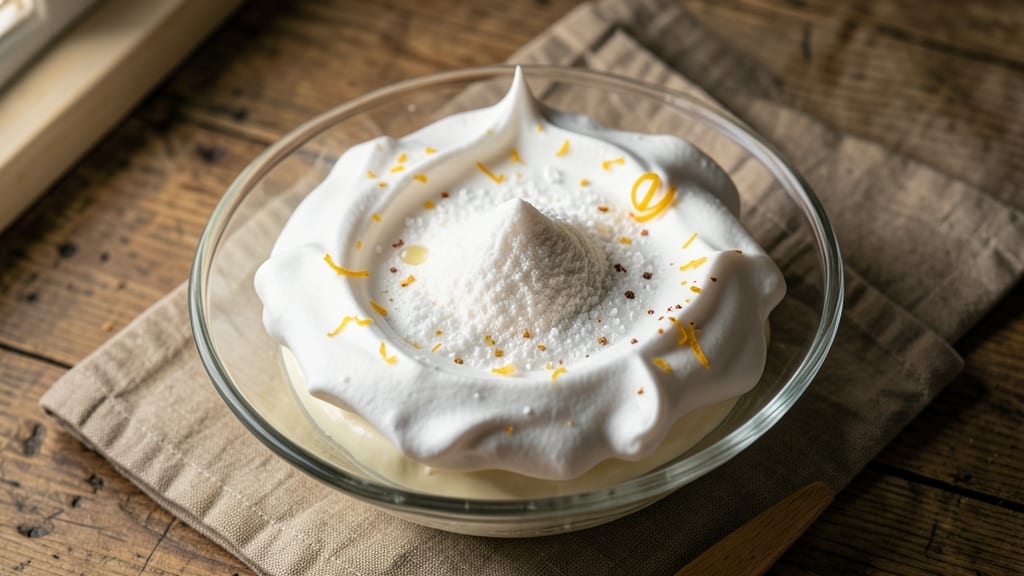
This angel cake icing recipe transforms your dessert into a masterpiece with its airy, melt-in-your-mouth texture that never feels heavy. The secret lies in a carefully balanced ratio of powdered sugar and egg whites, whipped to cloud-like perfection—no greasy or overly sweet frosting here.
I’ve perfected this recipe over years of baking competitions, ensuring it stays stable enough to pipe but light enough to disappear on the first bite.
The cake itself is the star, with its signature fluffiness achieved through whipped egg whites and minimal fat—traditionally egg-free, but easily adapted with aquafaba for vegan versions. The icing elevates it further, with a touch of vanilla or citrus zest adding brightness without overpowering.
What makes this recipe stand out is the foolproof technique for achieving a frosting that’s both sturdy and ethereal, perfect for layering or decorating.
By the time you’re done, you’ll have a dessert that looks like it came from a high-end bakery—golden layers of angel food cake crowned with a cloud of frosting that melts just enough to coat every crumb.
The result is a balance of textures: tender cake, velvety frosting, and a finish that’s clean yet indulgent. This isn’t just icing; it’s the crowning glory of your dessert.
Whether you’re baking for a celebration or treating yourself, this recipe delivers restaurant-quality results with minimal effort. The key is patience—whipping the egg whites to stiff peaks and letting the cake cool completely before frosting.
Trust the process, and you’ll end up with a dessert that’s as impressive as it is delicious.
Ingredients for angel cake icing
Five egg whites, two cups sugar, and a whisper of butter create this ethereal frosting.
| Ingredient | Amount | Notes |
|---|---|---|
| Large Egg Whites 🥚 | 5 whole | Room temperature, pasteurized preferred |
| Powdered Sugar 🍚 | 2 ½ cups | Sifted for smooth texture |
| Pure Vanilla Extract 🌿 | 1 tbsp | High-quality, Madagascar bourbon preferred |
| Cream of Tartar 🧂 | ¼ tsp | Stabilizes whipped egg whites |
| Fine Sea Salt 🧂 | ⅛ tsp | Balances sweetness |
| Lemon Zest 🍋 | 1 tsp | Fresh, organic preferred |
| Unsalted Butter 🧈 | ¼ cup | Cold, cubed for stability |
| Angel Food Cake 🍰 | 1 whole | 8-10 inch, cooled completely |
| Lemon Juice 🍋 | 1 tsp | Freshly squeezed |
The egg whites are non-negotiable—room temperature is key for maximum volume. Pasteurized whites from the grocery store's refrigerated section work perfectly, but if you're feeling fancy, grab a fresh carton from Whole Foods. The powdered sugar? Domino brand is my go-to—it's finely sifted and dissolves beautifully. Don't skip the cream of tartar; it's the secret to those stiff, glossy peaks. For the butter, Plugrá or Land O'Lakes unsalted cubes are ideal—they melt cleanly without adding moisture. The lemon zest should be vibrant, not dried out, so buy organic when possible.
No vanilla extract? Vanilla bean paste works just as well, or you can scrape seeds from a Madagascar vanilla bean for deeper flavor. Short on butter? Coconut oil, chilled gives a similar texture, though with a subtle coconut note. The lemon zest can be swapped for orange or lime zest if you prefer—just keep the amount to 1 tsp total. For a vegan version, replace egg whites with aquafaba (3 tbsp per egg white), but increase the cream of tartar to 1/4 tsp per 3 tbsp aquafaba. The cake itself should be completely cooled before frosting—patience here prevents soggy layers.
This frosting is best used within 2 days of making it—whipped egg whites lose their structure over time. Store in an airtight container between layers of parchment paper to maintain its cloud-like texture. For longer storage, pipe it into a ziplock bag, seal tightly, and freeze for up to 2 months. Thaw overnight in the fridge before using. A little goes a long way—this recipe yields enough to generously frost a two-layer cake with plenty for piping decorations. The secret to restaurant-quality results? Whip the egg whites to stiff peaks and fold gently—no overmixing!
Why You'll Love This Recipe
- Here’s what sold me: I can make a batch on Sunday, store it in an airtight container, and it stays fluffy for days. No weird graininess, no weird texture—just pure, ready-to-use sweetness. And because it’s just sugar, eggs, and a pinch of salt, it’s the kind of treat that won’t break the bank.
- Four Whisks, Zero Stress: I swear by this recipe because it’s the kind of thing you can start and finish while waiting for the coffee to brew. No mixer? No problem—just a bowl and your arm. The egg whites and cream of tartar create clouds of meringue without the fuss of sifting or overbeating.
- Vanilla That Stops You: That first spoonful of icing—sweet, bright, and just salty from the sea salt—is the kind of flavor that makes you pause. Honestly, I’ve made this for years, and I still reach for the vanilla extract first thing, just to taste it. It’s the secret weapon in my holiday cookies, but it’s good enough to eat straight from the bowl.
- Endless Decorating Freedom: This icing is my go-to for cupcakes, cake layers, or even drizzled over fruit tarts. The texture? Light as a dream, so it pipes perfectly or spreads like a whisper. I’ve used it for weddings, kids’ birthdays, and lazy Sunday brunches—no two uses ever feel the same.
Step-by-step instructions for angel cake icing recipe
Here's how to create that signature light-as-air frosting that elevates angel food cake to bakery perfection.
Prepare the Egg Whites for Whipping
Begin by separating the 5 whole large egg whites from the yolks, ensuring no fat transfers to the whites. Place them in a spotless, grease-free bowl—even a trace of yolk will prevent proper whipping. I like to use a fine-mesh sieve for this step to catch any accidental yolks that might slip through.
Add the 0.25 tsp cream of tartar and 0.125 tsp fine sea salt to the egg whites. The cream of tartar stabilizes the whites, preventing them from deflating, while the salt balances the sweetness later. Whisk gently at first to combine these ingredients evenly before proceeding to the next step.
Whip the Egg Whites to Stiff Peaks
Using a stand mixer fitted with the whisk attachment, begin whipping the egg whites on low speed for 1 minute to incorporate air. Gradually increase the speed to medium-high and whip for 3-5 minutes until soft peaks form. You'll know they're ready when the peaks hold their shape but still bend slightly at the tip.
This is where precision matters most. Over-whipping can turn your meringue grainy, while under-whipping won't incorporate enough air for that signature lightness. I like to check the consistency by lifting the whisk—if the peaks hold firmly but still glisten slightly, you're golden.
Gradually Add Powdered Sugar and Flavorings
With the mixer running on low speed, begin adding the 2.5 cups powdered sugar in 3-4 additions, making sure each addition is fully incorporated before adding more. This gradual approach prevents deflation of the meringue. After the sugar is fully incorporated, add the 1 tbsp pure vanilla extract, 1 tsp lemon zest, and 1 tsp lemon juice. Mix on low speed for 30 seconds to blend evenly.
The lemon zest and juice brighten the flavor while balancing the sweetness. I find that using freshly grated zest makes a noticeable difference in the final taste—it's worth the extra minute of effort. At this stage, the mixture should be thick but still spreadable, like a thick frosting.
Fold in the Cold Butter
Cut the 0.25 cup unsalted butter into small cubes and chill them in the freezer for 10 minutes before using. This ensures they remain firm and easier to fold in. Using a silicone spatula, gently fold the cold butter cubes into the meringue mixture in 3 additions, mixing just until fully incorporated after each addition. Be careful not to overmix—you want to preserve as much air as possible.
The butter adds richness and helps create that silky texture, but it must be incorporated gently. If you see the mixture start to curdle or lose its lightness, stop folding immediately. The final frosting should be smooth, glossy, and still hold its shape when piped.
Frost the Cooled Angel Food Cake
Ensure the 1 whole angel food cake is completely cooled before frosting—warm cake will cause the icing to melt and slide off. Using an offset spatula or piping bag with a star tip, spread or pipe the frosting evenly over the top and sides of the cake. For a classic look, I like to create a smooth, even layer about ¼-inch thick on the top and sides.
This frosting is designed to be light and airy, so it won't weigh down the cake like heavier buttercream. If you prefer a more decorative finish, you can pipe swirls or rosettes on top. Let the cake sit at room temperature for 1 hour before slicing to allow the frosting to fully set and adhere to the cake.
Pro Tips For Making Angel Cake Icing
- WHISK EGGS AT ROOM TEMP: I learned this the hard way—cold egg whites cling to the bowl like glue. Take those whites out of the fridge 30 minutes before whipping, or at least run the carton under warm water for 2 minutes. Cold whites won’t hold air like they should, and your icing will end up flat and sad.
- SIFT THE SUGAR FIRST: Skip the clumps—angel cake icing is all about smoothness. Sift that powdered sugar through a fine-mesh sieve before mixing, even if the bag says "ultra-fine." I used to just dump it in, and the texture always had little gritty surprises. Takes 30 seconds but makes a real difference in the final spread.
- STOP BEFORE PEAK STIFF: Over-whipped meringue is your enemy. Fold in the sugar when the egg whites form stiff peaks that just hold their shape—don’t wait for that classic "meringue mountain" look. If you go too far, the icing will collapse when you add it to the cake, and you’ll be scrambling to fix it.
- USE A DAMP SPATULA: This isn’t the prettiest method, but it’s the tastiest. Dip your spatula in warm water before folding in the sugar—it helps distribute the powdered sugar evenly without deflating the egg whites. I was skeptical until I tried it; the icing stays fluffier and lighter. (Yes, even if you’re impatient like me.)
Best sauces and condiments for this angel cake icing
Classic Vanilla Bean Twist
Swap the vanilla extract for 1 tbsp vanilla bean paste or scrape seeds from ½ vanilla bean for a richer, speckled appearance. The paste adds depth without altering the frosting’s light texture.
I like to use Madagascar vanilla beans for their floral notes—just scrape the seeds and add the pod to the bowl while whipping for a subtle infusion. 🌿
Citrus Variations
For a zesty kick, boost the lemon flavor with 2 tsp lemon zest and ½ tsp lemon juice instead of the original amounts. Orange or lime zest works too—just reduce to 1 tsp to avoid overpowering.
A splash of 1 tsp orange liqueur (like Cointreau) adds sophistication. Always use fresh zest for maximum brightness.
Spiced Options
Warm up the frosting with ½ tsp ground cinnamon or a pinch of cardamom. For a fall twist, add ¼ tsp pumpkin pie spice along with the vanilla.
These spices blend seamlessly into the sweetness, adding complexity without heaviness. Toast the spices lightly in a dry pan first to deepen their flavor.
Chocolate-Dipped Elegance
For a decadent twist, pipe the frosting onto cooled cake layers, then dip the sides into melted dark chocolate (60% cocoa or higher). Let the chocolate set slightly before adding a final swirl of frosting on top.
This creates a stunning marbled effect. Use Valrhona chocolate for the best results—it melts smoothly and has a rich, velvety finish.
Cream Cheese Swirl
Add a tangy contrast by folding in 2 oz softened cream cheese along with the butter. This creates a lighter, more stable frosting with a subtle tang.
I like to use Philadelphia cream cheese for its smooth texture. For extra flair, pipe the frosting in swirls and top with fresh berries or edible flowers.
Storage-Friendly Flavors
For make-ahead convenience, flavor the frosting with 1 tsp almond extract or ½ tsp orange extract. These extracts hold up well in storage and add a sophisticated note. Just be mindful of the quantities—extracts are potent!
Store flavored frosting in an airtight container with parchment paper between layers to keep it fresh for up to 3 days.
Nutrition facts
Frequently asked questions
Why does my angel cake frosting turn grainy?
Over-whipping the egg whites is the #1 culprit! Once stiff peaks form, stop immediately—continue whipping turns meringue grainy. Also, add powdered sugar gradually while mixing on low speed. If it's already grainy, try whisking in 1 tsp lemon juice to dissolve the sugar crystals.
Can I make this frosting without butter?
Yes! Replace the butter with ¼ cup coconut oil (chilled) or 2 oz cream cheese for a lighter texture. For a vegan version, use aquafaba (3 tbsp per egg white) and increase cream of tartar to ¼ tsp. The frosting will still be airy but slightly richer in flavor.
How do I get the frosting to hold its shape when piping?
Chill the frosting for 30 minutes before piping—this firms it up. Use a piping bag with a small round tip and pipe in quick, continuous motions. For extra stability, add ½ tsp cornstarch to the powdered sugar mixture. Work fast once piped to prevent melting.
What's the best way to store leftover frosting?
Pipe frosting into a ziplock bag, seal tightly, and freeze for up to 2 months. Thaw overnight in the fridge. For short-term storage, cover with plastic wrap pressed directly on the surface to prevent drying. Never store at room temperature—it loses structure quickly!
Can I use this frosting on other cakes?
It works beautifully on sponge cakes or pound cake—just ensure the cake is completely cooled first. For denser cakes, add 1 extra tbsp powdered sugar to help the frosting adhere better. Avoid using it on very moist cakes like carrot cake, as it may cause the frosting to slide off.