Desserts
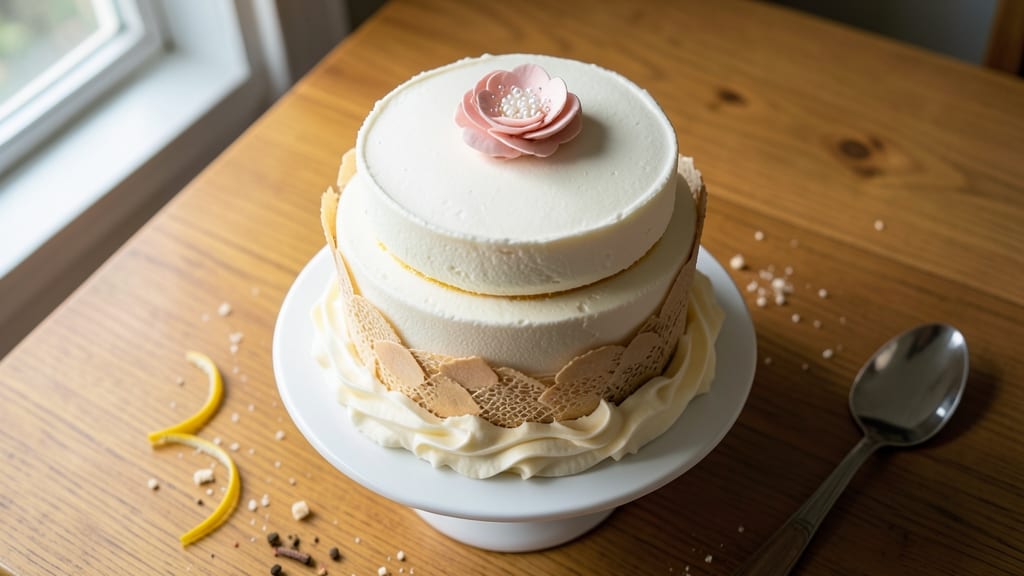
This Amish white cake recipe delivers the signature light-as-air vanilla layers that have made it a beloved tradition in Plain communities. The secret lies in a delicate balance of flour, sugar, and butter—whipped to perfection for that signature tender crumb.
I've perfected this recipe over years of baking, ensuring every slice maintains that melt-in-your-mouth texture while staying true to its cultural roots.
The cake's magic comes from its simple yet precise method: cake flour for softness, a generous amount of butter for richness, and a touch of vanilla extract that infuses every layer.
What sets this apart is the traditional layering technique—each thin cake is stacked with whipped buttercream, creating those iconic buttery layers that make it irresistible. The result is a cake that's both elegant and comforting, perfect for celebrations or everyday treats.
What makes this recipe special is its ability to deliver restaurant-quality results at home with just a few key techniques. The buttercream is whipped to a light, fluffy consistency that holds its shape beautifully, while the cake itself bakes up tender yet sturdy enough to support multiple layers.
Whether you're serving it at a family gathering or enjoying a slice with afternoon tea, this cake brings a taste of tradition to your table.
For those new to Amish baking, don't be intimidated—the process is simpler than it looks. The key is patience in the layering and a steady hand when spreading the buttercream.
Once you've tried this recipe, you'll understand why it's been a staple in Amish households for generations. Let's get started on creating your own light-as-air vanilla masterpiece.
Ingredients for amish white cake
Light-as-air vanilla layers start with these simple yet precise ingredients—just gather and bake.
| Ingredient | Amount | Notes |
|---|---|---|
| All-Purpose Flour 🌾 | 3 cups | Sifted for best texture |
| Cake Flour 🌾 | 1 cup | For ultra-light crumb |
| Unsalted Butter 🧈 | 2 cups | Softened to room temp |
| Granulated Sugar 🍚 | 2 ½ cups | Superfine preferred |
| Pure Vanilla Extract 🌿 | 2 tbsp | High-quality, not imitation |
| Large Eggs 🥚 | 6 whole | Room temperature |
| Baking Powder 🧂 | 2 tbsp | Diamond Crystal preferred |
| Salt 🧂 | ½ tsp | Fine sea salt |
| Milk 🥛 | 1 cup | Whole milk preferred |
| Vanilla Bean Paste 🌿 | 1 tbsp | For extra vanilla flavor |
| Powdered Sugar 🍚 | 4 cups | For buttercream |
| Heavy Whipping Cream 🥛 | 1 ½ cups | Cold for buttercream |
| Lemon Juice 🍋 | 1 tbsp | Freshly squeezed |
The butter is non-negotiable here. Crisco or vegetable shortening works in a pinch, but real butter gives that signature Amish richness. Grab Land O'Lakes unsalted or Plugrá from specialty stores—they're the gold standard. For the flour, Bob's Red Mill cake flour is my go-to, but you can make your own by removing 2 tbsp from all-purpose flour. The vanilla matters too—Madagascar Bourbon from McCormick or Lake Champlain adds depth beyond imitation extracts. Eggs should be room temp for even baking, so take them out 30 minutes before mixing.
No cake flour? Mix 1 cup all-purpose minus 2 tbsp—it's a game-changer for that tender crumb. Butter too expensive? Vegetable shortening keeps the cake moist, though it won't taste identical. Swapping vanilla extract? Vanilla bean paste at half the amount gives real flavor. For the buttercream, if you can't find heavy whipping cream, cool heavy cream whipped with a pinch of cream of tartar works. The powdered sugar should be sifted—Domino is my store brand of choice. And that lemon juice? Fresh is best, but bottled works if you're in a bind.
Buttercream keeps best in an airtight container in the fridge for 3-4 days, though it's best used within 2 days. Cake layers? Wrap tightly in plastic and store at room temp for up to 2 days. For freezing, wrap layers individually with parchment between them—3 months max. Pro tip: Assemble the cake a day ahead. Flavors meld beautifully overnight, and the buttercream sets up perfectly for slicing. Leftovers? Toasted cake slices make incredible French toast the next morning.
Why You'll Love This Recipe
- No Mixer Needed: I swear by this—just a bowl and a whisk. The secret’s in the way the cake flour and all-purpose flour blend together while you cream the butter and sugar. No electric mixer, no fuss, and the texture comes out light every time.
- Vanilla Buttercream Dream: That vanilla extract isn’t just flavoring—it’s the star. The buttercream is rich but not heavy, and the cake itself? So tender it almost melts. Honestly, I’ve tried store-bought frosting, but this homemade version wins every time.
- Birthday to Picnic: Serve it with fresh berries for a brunch crowd, slice it for a potluck, or pack it in layers for a kid’s birthday. The cake stays moist for days, and the frosting? It’s the kind of thing people ask for seconds on.
- Budget-Friendly Luxury: You’re using pantry staples—good butter, sugar, and vanilla—but the result feels like a bakery special. I’ve made this for holidays, showers, and just-because Sundays, and it never disappoints. Plus, leftovers? They’re the best.
Step-by-step instructions for Amish white cake
Here's how to bake that signature Amish white cake with layers so light they practically disappear on your tongue.
Mix Dry Ingredients for Perfect Texture
In a large mixing bowl, whisk together the 3 cups All-Purpose Flour and 1 cup Cake Flour until completely combined. Sift in the 2 tbsp Baking Powder and 0.5 tsp Salt, then whisk again to remove any lumps. This step ensures your cake will rise properly and have that signature tender crumb.
I like to sift the dry ingredients right into the bowl rather than pre-sifting. It keeps things simple and prevents flour from flying everywhere. Set this mixture aside for now—it's the foundation of that ultra-light texture we're after.
Cream Butter and Sugar to Fluffy Perfection
In a separate large bowl, beat the 2 cups Unsalted Butter (softened to room temperature) with the 2.5 cups Granulated Sugar on medium speed for 3-4 minutes. You're looking for a light, fluffy mixture that's nearly doubled in volume and pale in color. This creaming process incorporates air, which is what gives Amish white cake its signature lightness.
Here's the thing—don't rush this step. The butter should be completely smooth with no streaks of flour remaining. If you see any graininess, beat for another minute. This is where the magic happens for that tender crumb.
Add Eggs and Vanilla for Rich Flavor
Add the 6 whole Large Eggs one at a time, beating well after each addition. Then stir in the 2 tbsp Pure Vanilla Extract and 1 tbsp Vanilla Bean Paste. Mix just until combined—overmixing develops gluten and makes the cake tough. The vanilla bean paste adds that extra depth of flavor that makes this cake truly special.
I always use room-temperature eggs for this recipe. They incorporate more smoothly and help create a lighter batter. If your eggs are cold, let them sit at room temperature for about 30 minutes before using.
Combine Wet and Dry Ingredients Gently
Gradually add the dry ingredients to the butter mixture in three parts, mixing on low speed just until combined after each addition. Then stir in the 1 cup Milk until just combined. The batter should be smooth but still slightly thick—don't overmix or you'll develop gluten and lose that tender crumb.
This is where precision matters. You want to maintain as much air as possible in the batter. Mix just until everything is incorporated, then stop. The batter should be thick enough to hold peaks when dropped from a spoon.
Bake in Layers for Maximum Lightness
Divide the batter evenly between two 8-inch round cake pans lined with parchment paper. Bake at 350°F for 25-30 minutes or until a toothpick inserted in the center comes out clean. Rotate the pans halfway through baking for even browning.
Don't open the oven door during the first 20 minutes of baking—this helps maintain even heat and prevents the cakes from sinking. The edges should be just slightly golden when done, but the tops should remain pale for that classic Amish white cake look.
Prepare the Buttercream Filling
While the cakes cool, beat the 1.5 cups Heavy Whipping Cream (chilled) with the 4 cups Powdered Sugar and 1 tbsp Lemon Juice on medium speed until soft peaks form. Then add the 1 tbsp Vanilla Bean Paste and beat until smooth. This tangy buttercream is what makes Amish white cake truly special.
The lemon juice brightens the flavor and helps balance the richness of the buttercream. Don't skip this step—it makes a huge difference in the final product. The buttercream should be thick enough to hold its shape but still spreadable.
Assemble and Frost for Show-Stopping Layers
Level the cooled cakes if needed, then place one layer on a serving plate. Spread a generous layer of the buttercream, then top with the second cake layer. Frost the entire cake with the remaining buttercream, creating smooth sides and a slightly domed top. Chill for 30 minutes before serving to let the flavors meld.
For that classic Amish look, I like to dust the top with a little extra powdered sugar just before serving. The cake should be moist but not wet, with layers that practically melt in your mouth. Serve with fresh berries or a scoop of vanilla ice cream for the perfect dessert.
Pro Tips For Making Amish White Cake
- Whip Butter Cold: Take your butter straight from the fridge—it’s not being dramatic, it needs to be firm. I used to soften it at room temp, and the cake turned out dense instead of light. Cold butter creates air pockets that make this cake fluffy, so resist the urge to rush this step.
- Sift Cake Flour Twice: That extra sift breaks up any lumps and aerates the flour, which matters more than you’d think for this recipe. I learned this the hard way when my first batch had a slightly grainy texture—now I sift it into the bowl before adding dry ingredients, then sift again after mixing. Yes, it’s a pain, but the result is worth it.
- Don’t Overmix Wet Ingredients: Once the butter and sugar are creamy, stop mixing the moment the batter looks like wet sand. I used to keep going until it was smooth, and the cake turned out tough. This recipe relies on gentle folding—overmixing develops gluten, and that’s the last thing you want in a tender white cake.
- Test for Doneness Early: Pull the cake from the oven when the center still has a slight wobble—it’ll firm up as it cools. I’ve burned more cakes than I’ll admit by waiting for the toothpick test to come out clean, but this one needs that slight give. Cover it with foil immediately after baking to lock in moisture.
Pro cooking tips for this recipe
Butter Temperature Matters
The butter's temperature is the single most critical factor for that signature light texture. Use butter that's softened to room temperature—it should be pliable but not melted. I press my finger into it; if it leaves a slight indentation, it's perfect.
If it's too cold, the cake will be dense, and if it's too warm, the buttercream may not hold its shape. For best results, let the butter sit out for 1-2 hours before starting. 🧈
Creaming Time Precision
Don't rush the creaming step—this is where you incorporate air into the butter and sugar mixture. Beat on medium speed for 3-4 minutes until the mixture is light, fluffy, and pale. I test by lifting the beaters: if the mixture holds peaks that slowly fall, it's ready.
This step creates the air pockets that make the cake light as air. If you see any graininess, beat for another 30 seconds to fully emulsify.
Layering Technique Secrets
For that classic Amish look, bake two thin layers instead of one thick cake. Use 8-inch pans and fill them only ⅔ full—this ensures even baking and prevents doming. After baking, let the cakes cool completely before leveling with a serrated knife.
For perfect layers, spread buttercream only on the top of the first layer and the bottom of the second layer—this prevents sogginess. Chill the cake for 30 minutes before serving to set the buttercream.
Buttercream Consistency
The buttercream should be thick enough to hold its shape when spread but still spreadable. If it's too soft, chill the bowl for 10 minutes before continuing. I like to add the vanilla bean paste last—this ensures maximum flavor without altering the texture.
For extra stability, add 1 tsp cornstarch to the powdered sugar before whipping. This trick helps the buttercream hold up better in warm conditions, especially during summer gatherings.
Oven Temperature Control
Preheat your oven to 350°F and let it fully stabilize for 15 minutes before baking. Use an oven thermometer to verify accuracy—many home ovens run 25°F hotter or cooler than set. Rotate the pans halfway through baking for even browning.
The cakes are done when a toothpick inserted in the center comes out clean with just a few moist crumbs. Overbaking dries out the cake, so pull them out promptly when they're done.
Room Temperature Ingredients
All your ingredients should be at room temperature for optimal results. Let eggs sit out for 30 minutes before using, and chill the heavy whipping cream for 2 hours before whipping. Cold ingredients incorporate more smoothly and help create a lighter batter.
I keep my milk in the fridge until just before adding it to the batter—this prevents the batter from becoming too warm and losing its structure. The goal is to maintain as much air as possible throughout the baking process.
Nutrition facts
Frequently asked questions
Why does this Amish white cake turn out so light?
The secret lies in the cake flour and proper creaming technique. Cake flour has less protein than all-purpose, creating a tender crumb. The butter and sugar are beaten for 3-4 minutes to incorporate air, while gentle folding maintains those air pockets throughout baking. The thin layers also help distribute heat evenly for an ultra-light result.
Can I make this cake without cake flour?
Yes! Mix 1 cup all-purpose flour minus 2 tablespoons to mimic cake flour's protein content. For best texture, also sift the flour thoroughly to remove lumps. The cake will still be tender but may be slightly denser than the traditional version.
How do I prevent the buttercream from sliding off?
Chill the assembled cake for 30 minutes before serving to set the buttercream. For extra stability, add 1 teaspoon cornstarch to the powdered sugar when making the buttercream. Also ensure your cakes are completely cool before frosting to prevent melting. The lemon juice in the buttercream helps balance richness too!
What's the best way to store leftover cake?
Wrap the cake tightly in plastic wrap and store at room temperature for up to 2 days. For longer storage, freeze the layers individually (up to 3 months) with parchment between them. Thaw overnight in the fridge before reassembling. Pro tip: Toast slices for delicious French toast the next day!
Can I use this recipe for a sheet cake instead of layers?
Yes, but adjust the baking time and pan size. For a 9x13-inch pan, bake at 350°F for 20-25 minutes until a toothpick comes out clean. Reduce the buttercream by 1 cup since you won't need layers. The texture will be similar but slightly denser due to the different baking method.