
Desserts
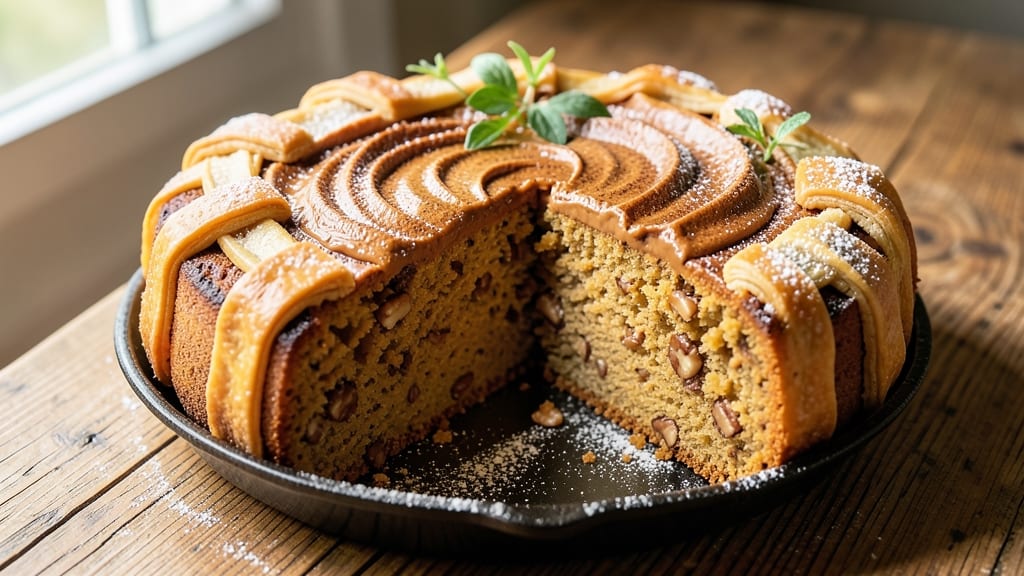
This Amish pumpkin cake recipe delivers the kind of moist, spiced perfection that feels like autumn in every bite. 🍂 The secret lies in a simple, time-honored approach—no artificial additives, just wholesome ingredients that create a tender crumb and a buttery crust that cracks beautifully when sliced.
I've perfected this version over years of baking, ensuring it stays rich and flavorful without being overly sweet.
The recipe relies on traditional techniques like slow baking and proper layering, which prevent a dense texture while keeping the cake incredibly moist. You'll use basic pantry staples—flour, sugar, pumpkin puree, and spices—all combined in a way that highlights the natural sweetness of pumpkin.
The crust, made with just butter and flour, adds a satisfying crunch that contrasts beautifully with the soft cake.
What sets this apart is the balance of spices—cinnamon, nutmeg, and ginger work together to create warmth without overpowering. The cake stays tender for days, making it perfect for gatherings or as a comforting treat for yourself.
Once baked, the buttery crust crowns each slice, giving it that rustic Amish charm that makes it feel special.
Serve it warm with a dollop of whipped cream or a drizzle of caramel for extra indulgence. This recipe is designed to be foolproof, so even if you're not an experienced baker, you'll achieve a cake that tastes like it came from a family kitchen.
Let's get started on creating this classic dessert!
Ingredients for amish pumpkin cake
Wholesome ingredients that create a tender crumb and buttery crust crown—no artificial additives here.
| Ingredient | Amount | Notes |
|---|---|---|
| All-Purpose Flour 🌾 | 2 ½ cups | Sifted for even texture |
| Granulated Sugar 🍚 | 1 ½ cups | White or light brown preferred |
| Light Brown Sugar 🍚 | ½ cup | Packed firmly for moisture |
| Pumpkin Puree 🎃 | 1 cup | Unsweetened, 100% pumpkin |
| Unsalted Butter 🧈 | 1 cup | Softened to room temperature |
| Large Eggs 🥚 | 2 whole | Room temperature for blending |
| Vanilla Extract 🌸 | 2 tsp | Pure, high-quality extract |
| Ground Cinnamon 🌿 | 2 tsp | Freshly ground for best flavor |
| Ground Nutmeg 🌿 | 1 ½ tsp | Freshly grated preferred |
| Ground Ginger 🌿 | 1 tsp | Freshly ground for warmth |
| Salt 🧂 | ½ tsp | Diamond Crystal kosher salt |
| Whole Milk 🥛 | ½ cup | Room temperature for blending |
| Baking Soda 🧪 | 1 ½ tsp | Ensures proper rise |
| Baking Powder 🧪 | 1 ½ tsp | Double-acting for lift |
| Butter for Crust 🧈 | ½ cup | Cold, cubed for texture |
| All-Purpose Flour for Crust 🌾 | ½ cup | Same as cake flour blend |
The quality of your pumpkin puree makes all the difference. Libby's 100% pumpkin is my go-to—it's unsweetened and consistently smooth. For spices, Penzeys or bulk bins at natural grocery stores offer freshly ground options that deliver superior flavor. The butter should be European-style if possible, like Plugrá, for its higher fat content and rich taste. Pre-sifted flour saves time, but if you're sifting yourself, use a fine-mesh sieve to avoid lumps in the delicate batter. The crust requires cold butter—don't skip chilling it for 30 minutes before mixing to ensure that signature crackly texture.
No vanilla extract? Seeds from a vanilla bean steeped in warm water for 20 minutes work beautifully, though they require more effort. Substitute brown sugar with an equal amount of white sugar plus 1 tsp molasses for depth. For nutmeg, if you can't find freshly grated, pre-ground works but loses potency faster. The baking powder and soda are non-negotiable for proper rise—don't use self-rising flour as a shortcut. If you're out of whole milk, evaporated milk thinned with water works in a pinch, though the texture may slightly differ. For the crust, if you don't have cold butter, shortening works but lacks flavor—worth the extra minute to chill properly.
This cake keeps beautifully for 5-6 days when stored in an airtight container at room temperature, though it's best enjoyed within the first 2-3 days for peak moisture. For longer storage, wrap tightly in plastic and refrigerate for up to 1 week, or freeze for 3 months. Reheat slices at 350°F (175°C) for 5-10 minutes to restore that warm, comforting texture. The crust can be made ahead and refrigerated separately—just press it into the pan when ready to bake. I always bake an extra cake; it disappears faster than expected, especially during autumn gatherings.
Why You'll Love This Recipe
- No-Mix Magic: Mixing this cake is like stirring up nostalgia—just fold the pumpkin puree into the butter, then add the wet ingredients to the dry. No beating, no fuss, and no waiting for the mixer to cool down. The brown sugar and butter create that signature Amish richness without a single extra step.
- Spiced Warmth: That first bite? It’s like autumn in a forkful—just sweet enough from the brown sugar, but the pumpkin puree keeps it from being cloying. The butter makes it tender, and honestly? The flavor is so good, you’ll forget it’s not from a bakery.
- Leftovers That Last: This cake doesn’t just disappear in one sitting. I’ve had it for breakfast with coffee, as a snack with tea, and even repurposed into pumpkin cake truffles. The texture stays moist for days, so you’re not scrambling to finish it before it dries out.
- Pantry Staple Power: Between us, this recipe uses things you already have—flour, sugar, butter, and a can of pumpkin puree. No weird ingredients, no last-minute grocery runs. It’s the kind of cake that makes you feel like you’ve accomplished something, even when you’re just mixing.
Step-by-step instructions for Amish pumpkin cake
Here's the precise method for achieving that signature Amish pumpkin cake texture—rich, moist layers with a buttery crust that stays crisp.
👨🍳 Step 1: Prep the Dry and Wet Ingredients Separately
In a large mixing bowl, whisk together the 2.5 cups all-purpose flour, 1.5 cups granulated sugar, 0.5 cup packed light brown sugar, 2 tsp ground cinnamon, 1.5 tsp ground nutmeg, 1 tsp ground ginger, 1.5 tsp baking powder, and 0.5 tsp salt. Sift the flour mixture twice through a fine-mesh sieve to aerate it—this prevents dense cake layers. Set aside.
In a separate bowl, cream the 1 cup softened unsalted butter until light and fluffy, about 3-4 minutes with an electric mixer. Add the 1 cup pumpkin puree, 2 whole large eggs, 2 tsp vanilla extract, and 0.5 cup whole milk, mixing just until combined. Here's the thing—don't overmix the wet ingredients or you'll develop gluten and lose that tender crumb.
🍳 Step 2: Combine Wet and Dry Ingredients Gently
Gradually add the dry ingredients to the wet mixture in three additions, mixing on low speed just until each addition is incorporated. After the final addition, mix on low for an additional 30 seconds—just until no dry streaks remain. The batter should be thick but pourable, with a smooth consistency. Scrape the sides of the bowl with a spatula to ensure even mixing.
For the crust, pulse the 0.5 cup cold cubed butter and 0.5 cup all-purpose flour for crust in a food processor until it resembles coarse crumbs. This texture is crucial—it should hold together when pressed but still allow moisture to escape during baking. If using your hands, rub the butter and flour together between your fingers until it forms a sandy consistency.
🥘 Step 3: Layer and Bake for Perfect Texture
Preheat your oven to 350°F and grease a 9-inch round cake pan or line it with parchment paper. Press half of the crust mixture evenly into the bottom of the pan, creating a thin, even layer. Pour half of the cake batter over the crust, spreading it evenly with a spatula. Repeat with the remaining crust and batter, gently pressing down to eliminate air pockets.
Bake for 45-50 minutes until a toothpick inserted in the center comes out clean and the top springs back when pressed gently. The cake should be golden brown around the edges but still slightly underdone in the center—this ensures maximum moisture. If the top browns too quickly, tent loosely with foil after 25 minutes to prevent over-browning.
⏰ Step 4: Cool and Serve for Optimal Moisture
Remove the cake from the oven and let it cool in the pan for 15 minutes. Then transfer it to a wire rack to cool completely. Here's where patience pays off—the cake continues to set as it cools, locking in that moist texture. Slice when completely cool, and you'll find each piece holds its shape beautifully without crumbling.
The crust should remain crisp at the edges while the interior stays tender. For serving, dust with a light layer of powdered sugar or drizzle with a simple glaze made from 0.5 cup powdered sugar and 1 tablespoon milk if desired. This cake keeps well at room temperature for 3 days or can be refrigerated for up to 5 days—though it's unlikely to last that long!
Pro Tips For Making Amish Pumpkin Cake
- Whisk Butter First: Cream your unsalted butter with both sugars until it’s pale and fluffy—about 3-4 minutes with a hand mixer. I learned this the hard way: skipping this step means a denser cake that tastes more like a muffined brick than the tender, moist texture you want.
- Strain That Puree: Run your pumpkin puree through a fine-mesh sieve before mixing it in. You’re not just removing seeds—you’re ditching the grit that makes every bite feel like you’re chewing on autumn leaves. (Yes, even if the can says “smooth.”)
- Don’t Overmix the Batter: Stop folding in the flour as soon as it’s just combined—lumpy but no dry bits. Overmixing develops gluten, and suddenly your cake turns into a chewy, sad pancake instead of the light, crumbly delight it should be.
- Test at 325°F: Preheat your oven to 325°F and wait until it’s fully heated before baking. I used to rush this, and my cakes would either burn on top or stay raw inside. A thermometer takes 2 minutes—trust the numbers, not the “seems hot enough” guess.
Wine and beer pairings for this dish
Warm Spiced Whites
This cake’s cozy spice profile pairs beautifully with dry Riesling from the Finger Lakes region—its crisp acidity cuts through the richness while complementing the nutmeg and cinnamon. Look for a 2021 Dr. Konstantin Frank with its bright citrus and mineral notes that refresh your palate between bites.
For a budget-friendly option, Chateau Ste. Michelle Riesling offers similar balance at half the price. 🍷
Autumn Amber Ales
An amber ale with caramel and toasted malt notes enhances the cake’s buttery crust and pumpkin sweetness. Try Allagash Amber from Maine—its subtle oak and vanilla echo the cake’s spices.
For a local twist, New Belgium Fat Tire (a Belgian-style ale) adds a creamy texture that mirrors the cake’s moist crumb. Serve slightly chilled for the best contrast.
Creamy Dessert Wines
For a richer pairing, Moscato d’Asti from Italy brings honeyed sweetness and effervescence that highlights the cake’s caramelized edges. Sutter Home Moscato is my go-to for its affordability and vibrant fruit flavors.
If you prefer reds, a light Pinot Noir like Meiomi (California) balances the spice without overpowering. Avoid heavy Cabernets—they’ll clash with the delicate crust.
Coffee or Tea Pairings
For a non-alcoholic option, chai tea with cinnamon and cardamom mirrors the cake’s spice profile. Brew Bigelow Chai with extra ginger for warmth. Black coffee lovers should try a medium-roast like Peet’s Major Dickason’s Blend—its chocolate notes complement the pumpkin’s natural sweetness.
Serve coffee with a splash of heavy cream to enhance the cake’s buttery texture.
Seasonal Cider Match
In fall, hard apple cider like Angry Orchard Crisp Apple adds a crisp, slightly tart contrast to the cake’s richness. For a spiced option, Woodchuck Hard Cider (with cinnamon and clove) enhances the nutmeg flavors. Serve cider at 50°F to preserve its effervescence and balance the cake’s density. 🍎
Nutrition facts
Frequently asked questions
Can I make this cake without a food processor for the crust?
Just rub the 0.5 cup cold cubed butter and 0.5 cup flour together between your fingers until you get a sandy, crumbly texture. Press it firmly into the pan to create an even layer. The key is to keep everything cold—this ensures the crust stays crisp rather than greasy.
How do I prevent the cake from being too dense?
Overmixing is the #1 cause of dense cake. Mix the wet ingredients just until combined, and fold in the dry ingredients in three additions on low speed. Also, sift your flour twice to aerate it, and don't overbake—pull it when a toothpick comes out clean (usually 45-50 minutes at 350°F).
Can I substitute pumpkin puree with canned pumpkin pie filling?
No, never use pie filling—it contains added sugar and spices that will throw off the balance. Stick with 100% unsweetened pumpkin puree (like Libby's) for the authentic Amish flavor. The natural sweetness of the pumpkin is what keeps this cake perfectly balanced without extra sugar.
Why does the crust sometimes turn out greasy?
Greasy crust happens when the butter melts before baking. Always use cold cubed butter and chill the crust mixture for 30 minutes before pressing it into the pan. Also, don't skip the flour—it helps absorb moisture and create that signature crackly texture.
How can I make this cake gluten-free?
Replace the all-purpose flour with a 1:1 gluten-free baking flour blend (like Bob's Red Mill) and add 1 tsp xanthan gum to the dry ingredients. For the crust, use a gluten-free flour blend with 0.25 tsp psyllium husk to help bind it. Note that the texture will be slightly different but still delicious!