
Breakfast & Brunch
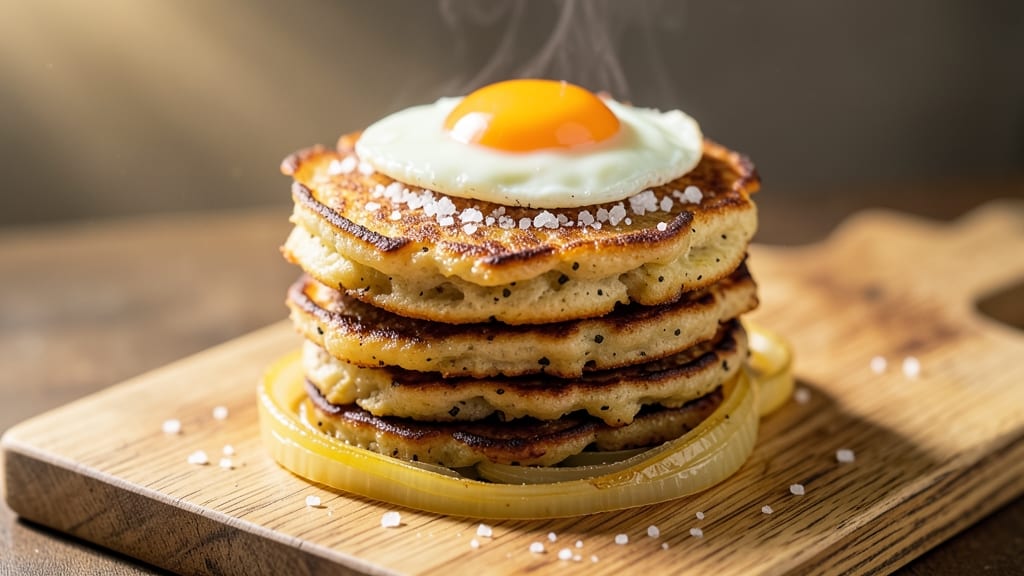
Amish potato pancakes deliver that perfect balance of fluffy interiors and crispy golden edges—just like Grandma used to make. These latkes are a breakfast staple in Amish kitchens, where simple ingredients and careful technique create a dish that’s both comforting and impressive. The secret lies in freshly grated potatoes, just the right amount of flour and egg to bind, and a hot skillet to achieve that signature crunch.
What sets these apart is the traditional Amish approach: minimal oil for frying, which ensures crispy edges without heaviness, and a focus on texture—shredding the potatoes finely for that tender yet sturdy bite. The result is a pancake that holds its shape when flipping and stays crispy even after resting.
Serve them as a hearty breakfast side or a satisfying main dish with a dollop of sour cream or applesauce for dipping.
This recipe is designed to be foolproof, whether you're making a batch for a family brunch or prepping ahead for the week. The key steps—grating the potatoes, mixing the batter just until combined, and frying in small batches—are simple but critical for achieving that perfect balance of crispy and tender.
Once you try these, you’ll understand why they’ve been a favorite for generations.
For a modern twist, you can swap in sweet potatoes or use gluten-free flour, but the classic version remains the gold standard. The aroma of sizzling pancakes in the skillet is enough to wake up even the sleepiest morning. Let’s get started on making these delicious Amish potato pancakes!
Ingredients for amish potato pancake
Simple ingredients that create the perfect crispy, fluffy Amish potato pancakes everyone loves.
| Ingredient | Amount | Notes |
|---|---|---|
| Russet Potatoes 🥔 | 3 lb | Freshly grated, skin on |
| All-Purpose Flour 🌾 | ½ cup | For binding batter |
| Large Eggs 🥚 | 2 whole | Room temperature preferred |
| Yellow Onion 🧅 | 1 medium | Finely grated, skin on |
| Salt 🧂 | 1 ½ tsp | Kosher or sea salt |
| Black Pepper 🌶️ | ½ tsp | Freshly ground preferred |
| Vegetable Oil 🫒 | 2 tbsp | For frying, high smoke point |
| Fresh Parsley 🌿 | ¼ cup | Chopped, for garnish |
| Sour Cream 🥛 | ½ cup | For serving, optional |
| Applesauce 🍎 | ½ cup | Unsweetened, for serving |
| Lemon Juice 🍋 | 1 tbsp | Freshly squeezed |
The potatoes are everything here—Russets are ideal for their starchy texture, but Yukon Golds work too. Grab a box from Walmart or Aldi for budget-friendly options, or splurge on organic at Whole Foods if you want extra crispiness. The key is grating them fresh—no pre-shredded bags. Use a box grater or food processor with the shredding blade. For the onion, yellow or red both work, but yellow has more sweetness. Store potatoes in a cool, dark place—they'll keep for weeks.
No sour cream? Greek yogurt or vegan sour cream works just as well. Short on parsley? Fresh chives or dill give a nice bright finish. The lemon juice is non-negotiable—it balances the richness. Need a gluten-free version? Swap the flour for almond flour or gluten-free all-purpose blend. The oil is where you can save money—vegetable or canola both work fine. Just make sure it's high smoke point to avoid burning. If you're feeling fancy, try avocado oil for even better flavor.
These pancakes stay crispy for 20-30 minutes after frying, so don't make them all at once. Keep extras warm in a 200°F oven on a wire rack. They reheat beautifully in the oven or air fryer—just 5 minutes at 375°F. Store leftovers in the fridge for 4-5 days or freeze for 3 months. I like to portion them in single servings before freezing—perfect for quick breakfasts. The batter keeps in the fridge for 1 day, so make it fresh if you can.
Why You'll Love This Recipe
- Five-Ingredient Magic: I swear, that’s all you need—potatoes, flour, eggs, onion, and salt. No fancy herbs or obscure spices lurking in your pantry. The onions caramelize just enough to add depth, and the eggs bind everything into a golden, crispy hug without overcomplicating things.
- Crispy-Creamy Payoff: The secret’s in the griddle. You get that irresistible crackle on the outside while the inside stays fluffy and warm—like a hug from your grandma’s kitchen. Honestly, the first time I bit into one still hot off the pan, I nearly dropped the whole stack.
- Breakfast or Dinner: Serve them with maple syrup and butter for a lazy weekend brunch, or pile them high with applesauce and sausage for a hearty weeknight dinner. They’re the ultimate chameleon—equally at home on a holiday table or a rushed Tuesday night when you’re too tired to plan.
- Leftovers? Better Than New: Between us, these pancakes taste even better the second day. I’ve reheated them in a skillet until crispy again, or just popped them in the oven with a sprinkle of salt—no one ever complains. And since they’re cheap to make, you can feed a crowd without breaking the bank.
Step-by-step instructions for Amish potato pancakes
Here's how to make golden, fluffy potato pancakes with perfectly crispy edges every time.
Grate the Potatoes and Onion
Start by grating the 3 lb Russet Potatoes using the large holes of a box grater—this gives you that classic Amish-style texture. I like to use a food processor with the shredding blade for speed, but hand-grating works too if you're patient. As you grate, squeeze out any excess moisture using clean kitchen towels or a potato ricer—this step is crucial for crispy pancakes. The drier your mixture, the better your final texture.
Next, finely grate the 1 medium Yellow Onion using the same grater. The onion adds sweetness and helps bind the pancakes together. Combine both grated vegetables in a large mixing bowl. If you're using a food processor, pulse the onion until finely minced rather than fully grated. Don't skip this step—proper grating ensures even cooking and that perfect crispy texture.
Mix the Batter
In a separate bowl, whisk together the 2 whole Large Eggs, 0.5 cup All-Purpose Flour, 1.5 tsp Salt, and 0.5 tsp Black Pepper. I like to let the eggs come to room temperature first—this helps them blend more smoothly with the other ingredients. Add the lemon juice and mix until fully combined. The batter should be thick but still pourable.
Now gently fold the wet ingredients into the grated potato and onion mixture. Use a wooden spoon or silicone spatula to combine everything carefully—overmixing develops gluten and makes the pancakes tough. You want just enough mixing to distribute the binder evenly. If the mixture seems too wet, add a little more flour, 1 tablespoon at a time, until it holds together when pressed. The ideal consistency should be like thick mashed potatoes that can be shaped into patties.
Heat the Oil and Form the Pancakes
Heat 2 tbsp Vegetable Oil in a large skillet over medium heat until it shimmers but doesn't smoke. This is your signal that the oil is ready—too hot and your pancakes will burn before cooking through. Using your hands (or a spatula), form the potato mixture into 4 equal patties, about ½-inch thick. I press them gently but firmly to ensure they hold together when cooking.
Place the pancakes in the hot oil, spacing them about 2 inches apart to allow room to crisp. Cook for 4-5 minutes per side until they're golden brown and crispy on the outside. Don't press down on them while cooking—this squeezes out the moisture and makes them dense. You'll know they're ready when the edges are deep golden and the pancakes release easily from the pan. Transfer them to a paper towel-lined plate to drain excess oil.
Serve Warm with Toppings
Keep the pancakes warm in a 200°F oven while you cook the remaining batches. This maintains their crispiness. Once all pancakes are done, serve them immediately with 0.5 cup Sour Cream and 0.5 cup Applesauce on the side. The sour cream adds a cool contrast to the warm pancakes, while the applesauce balances the richness with a touch of sweetness.
For an extra touch, sprinkle with 0.25 cup Fresh Parsley just before serving. The parsley adds freshness and makes the dish look even more inviting. These pancakes are best enjoyed right away when they're at their crispy best. If you have leftovers, reheat them in a skillet over medium heat for a few minutes to restore their crispy texture.
Pro Tips For Making Amish Potato Pancake
- GRATE POTATOES COLD: Russets are starchy and soften fast—work them straight from the fridge or a cold counter. I learned this the hard way after a batch turned into gluey pancakes because I warmed them up first. Cold grated potatoes release less moisture right away, so your batter stays workable longer.
- SALT THE ONION WATER: Toss the grated potatoes into the salted water before adding the onion. The salt draws out moisture evenly, and the onion soaks up some of that liquid instead of making the batter soggy. (Yes, even if you’re impatient like me—wait the full 10 minutes.)
- PRESS PANCAKES FIRM: Don’t skimp on pressure when forming the pancakes. Pack them tight—about ½-inch thick—so they hold together while frying. I used to rush this, and half my pancakes fell apart. A sturdy spatula or your hands work; just keep it even.
- REST THE BATTER 15 MINUTES: Let the shredded potatoes sit in the flour-egg mix before frying. This gives the starch time to absorb, so your pancakes crisp up instead of steaming. I was skeptical until I tried it—now it’s non-negotiable for me.
Storing and reheating this dish
Fridge Storage Tips
Store leftover Amish potato pancakes in an airtight container on the middle shelf of your fridge, where the temperature stays most consistent. They’ll keep their crispiness for 4-5 days if you layer them between paper towels to absorb excess moisture.
I like to portion them into single servings before storing—this makes reheating a breeze. Just pop one out for a quick breakfast or snack without dealing with a whole stack. 🥔
Freezer Prep
For longer storage, freeze pancakes in a single layer on a baking sheet for 1 hour before transferring to a freezer bag. This prevents sticking. They’ll stay crispy for up to 3 months—just thaw overnight in the fridge before reheating.
I always label my freezer bags with the date so I don’t forget. A quick 5-minute microwave session on medium power brings them back to life, though I prefer the stovetop for that golden crunch. ❄️
Reheating Methods
For the best texture, reheat pancakes in a nonstick skillet over medium heat with a splash of oil for 2-3 minutes per side. This restores that crispy exterior while keeping the inside tender.
If you’re short on time, the air fryer at 375°F for 5 minutes works wonders—just spray with oil first. Avoid the microwave unless absolutely necessary; it’ll make them soggy. 🔥
Oven Refresh
Preheat your oven to 350°F and place pancakes on a wire rack over a baking sheet. This allows hot air to circulate evenly, keeping them crispy. Bake for 8-10 minutes until warmed through.
I find this method works best for batches—just rotate the rack halfway through for even heating. Perfect for when you’re making a big breakfast spread! 💡
Make-Ahead Batter
You can prep the batter the night before and store it in the fridge for up to 24 hours. Just cover it tightly with plastic wrap to prevent drying. When ready to cook, let it sit at room temperature for 10 minutes before forming pancakes.
This trick saves time on busy mornings. The texture stays just as good as freshly made! ⏰
Serving Warm
If you’re serving pancakes straight from the fridge, give them a 30-second zap in the microwave to revive their crispiness before plating. The key is speed—don’t overdo it, or they’ll turn rubbery.
Pair with warm sour cream or applesauce to cut through the richness. Trust me, this small step makes all the difference in presentation! 🥛
Nutrition facts
Frequently asked questions
Why do Amish potato pancakes need freshly grated potatoes?
Freshly grated potatoes release more moisture, which evaporates during cooking to create that signature crispy exterior. Pre-shredded potatoes contain additives that prevent moisture loss, leading to soggy pancakes. The fine texture from grating also helps bind the pancakes better.
Can I make these pancakes without eggs?
Yes! For a vegan version, replace the eggs with 2 tablespoons ground flaxseed mixed with 6 tablespoons water (let it thicken for 5 minutes). Alternatively, use ½ cup mashed banana or ¼ cup applesauce as a binder. The texture will be slightly different but still delicious.
How do I keep the pancakes from sticking to the pan?
Use a well-seasoned cast-iron skillet and ensure your oil is hot enough to shimmer before adding the pancakes. Avoid overcrowding the pan—cook in batches with 2 inches between pancakes. If needed, add a little more oil between batches. A nonstick spray can help too.
What’s the best way to make them ahead for a crowd?
Form all pancakes, then refrigerate them for 30 minutes before cooking to firm up the batter. Cook in batches and keep finished pancakes warm in a 200°F oven on a wire rack. For make-ahead serving, freeze cooked pancakes in a single layer, then reheat in the oven at 375°F for 5 minutes before serving.
Can I use sweet potatoes instead of regular potatoes?
Sweet potatoes work beautifully and add natural sweetness. Use 2.5 lb sweet potatoes (they're denser) and reduce the flour to ¼ cup to prevent heaviness. The cooking time may increase slightly—watch for golden brown edges.