
Desserts
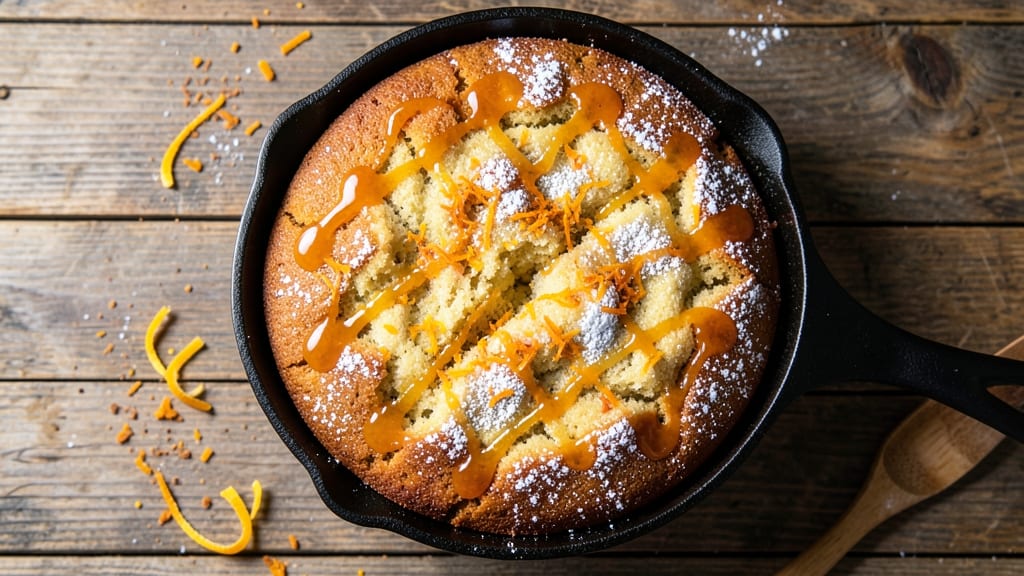
This Amish orange cake recipe delivers a tender, spiced crumb with bright citrus notes that balance perfectly—no artificial flavors, just warm baking traditions. The secret lies in the moist texture from buttery shortening and the subtle warmth of cinnamon and nutmeg, all lifted by fresh orange zest.
I’ve baked this version for years, and it never fails to impress, whether served at family gatherings or as a simple Sunday treat.
The recipe stays true to Amish baking principles: simple ingredients, minimal fuss, and a focus on natural flavors. You’ll use basic pantry staples—flour, sugar, eggs, and fresh citrus—without any shortcuts that compromise quality.
The cake bakes at 350°F for about 35-40 minutes, yielding a golden top and tender interior that’s easy to slice. The real magic happens with the orange glaze, which adds a glossy finish and extra zing without overpowering the cake’s delicate spice profile.
What sets this apart is the balance—citrus brightness meets warm baking spices, creating a dessert that’s both comforting and vibrant. The glaze isn’t just for looks; it enhances every bite with a subtle tang that cuts through the richness.
Perfect for holidays, potlucks, or a cozy weeknight dessert, this cake proves you don’t need complicated techniques to deliver restaurant-quality results at home.
Pro tip: Let the cake cool completely before glazing to avoid a soggy texture. And if you’re feeling ambitious, try adding a layer of homemade orange cream cheese frosting for extra decadence.
The best part? This recipe scales easily, so you can bake it in a 9x13-inch pan for a crowd or keep it classic with two 8-inch rounds.
Ingredients for amish orange cake
Simple pantry staples meet bright citrus for this classic Amish orange cake.
| Ingredient | Amount | Notes |
|---|---|---|
| All-Purpose Flour 🌾 | 2 ½ cups | Sifted for light texture |
| Granulated Sugar 🍚 | 2 cups | White or light brown |
| Buttery Shortening 🧈 | 1 cup | Crisco or similar brand |
| Large Eggs 🥚 | 4 whole | Room temperature preferred |
| Orange Zest 🍊 | 2 tbsp | From 2 fresh oranges |
| Orange Juice 🍊 | ½ cup | Freshly squeezed |
| Milk 🥛 | 1 cup | Whole milk preferred |
| Ground Cinnamon 🌿 | 2 tsp | Freshly ground if possible |
| Ground Nutmeg 🌿 | ½ tsp | Freshly grated nutmeg |
| Baking Powder 🍞 | 2 tsp | Double-acting preferred |
| Salt 🧂 | ½ tsp | Fine sea salt |
| Powdered Sugar 🍚 | 1 ½ cups | For glaze |
| Orange Juice (Glaze) 🍊 | ¼ cup | Freshly squeezed |
| Vanilla Extract 🌸 | 1 tsp | Pure vanilla preferred |
The flour and sugar are the backbone here, but don’t skimp on the quality. King Arthur flour or Gold Medal from the grocery store works perfectly for that tender crumb. For the orange zest, grab fresh oranges from the store—Navel or Valencia varieties have the most flavor. If you’re using shortening, Crisco is the classic choice, but any buttery shortening will do. The eggs should be room temperature for even mixing, so take them out 15 minutes before you start. For the spices, Penzeys or the bulk bins at Whole Foods have the freshest cinnamon and nutmeg.
No fresh oranges? Bottled orange juice works in a pinch, but fresh is always better. Short on powdered sugar for the glaze? Mix 1/3 cup granulated sugar with 1 tbsp cornstarch to make a quick substitute. The vanilla extract can be imitation, but pure vanilla adds that extra depth. If you’re feeling adventurous, swap the milk for buttermilk for a slightly tangier cake. And if you’ve got leftover orange peels from zesting, toss them in the compost—they’re too bitter to eat, but they’ll break down nicely.
This cake keeps well for 3-4 days in an airtight container at room temperature, but it’s best enjoyed fresh. If you’re prepping ahead, bake the cake a day in advance and store it uncovered at room temperature. The glaze sets quickly, so make it just before serving. For extra decadence, add a layer of homemade orange cream cheese frosting—it’s worth the effort. And if you’re scaling up for a crowd, this recipe doubles beautifully in a 9x13-inch pan.
Why You'll Love This Recipe
- No-Zest Guilt: I’ll be real—this cake doesn’t require fresh oranges. The zest is the star, but if you’re not growing your own, store-bought works just fine. No extra trips to the farmers' market, no peeling mess—just a quick scrape of that bright, citrusy magic from the jar.
- Shortening Secret: That buttery shortening? It’s the unsung hero. No butter to burn, no waiting for it to soften—just mix it in at room temp and let it work its magic. The crumb stays tender, the layers don’t crack, and honestly? It’s my go-to for foolproof cakes every time.
- Breakfast or Dessert: Serve it warm with a drizzle of honey for a morning treat, or let it cool for a showstopper dessert. The orange zest gives it that sunny vibe, so it fits anywhere—even when I’m too tired to decide if I want cake or pancakes.
- Leftover Goldmine: This cake doesn’t just hold up—it gets better. Slice it the next day, toast it lightly, and top with whipped cream or a sprinkle of powdered sugar. Between us, I’ve had it cold, warm, and even as a makeshift ice cream topping. Versatile like that? It’s my secret weapon.
Step-by-step instructions for Amish orange cake
Here's how to bake this moist, citrus-kissed cake with perfect texture and that signature warm spice flavor.
Prepare the Dry Ingredients
In a medium bowl, whisk together the 2.5 cups all-purpose flour, 2 tsp baking powder, 2 tsp ground cinnamon, 0.5 tsp ground nutmeg, and 0.5 tsp salt. Sift the flour mixture through a fine-mesh sieve directly into a large mixing bowl to aerate it - this creates a lighter texture. Set aside for now.
In a small bowl, combine the 1.5 cups powdered sugar and 1 tsp vanilla extract. This mixture will be added later to the batter for extra sweetness and depth of flavor. The powdered sugar also helps create that signature Amish cake tenderness.
Cream Butter and Sugar
In a stand mixer fitted with the paddle attachment, beat the 1 cup buttery shortening and 2 cups granulated sugar on medium speed for 3-4 minutes until light and fluffy. You'll see the mixture nearly double in volume and become pale in color. This creaming process incorporates air, which helps create that signature moist texture.
Add the 4 whole large eggs, one at a time, mixing well after each addition. Scrape down the sides of the bowl as needed. The mixture should be smooth and slightly thickened. Add the 2 tbsp orange zest and mix for another 30 seconds to distribute the citrus flavor evenly.
Combine Wet Ingredients
In a separate bowl, whisk together the 0.5 cup orange juice, 1 cup milk, and the powdered sugar-vanilla mixture from Step 1. This creates a smooth, flavorful liquid that will blend perfectly with the dry ingredients. The orange juice adds moisture and brightens the warm spice flavors.
With the mixer on low speed, gradually add the dry ingredients to the wet mixture in three additions, mixing just until combined after each addition. Be careful not to overmix - you should still see some flour streaks. The batter should be smooth and slightly thick, like a well-made cake batter should be.
Bake to Golden Perfection
Preheat your oven to 350°F. Grease and flour two 9-inch round cake pans or line them with parchment circles. Divide the batter evenly between the pans. Bake for 25-30 minutes, or until a toothpick inserted in the center comes out clean and the tops are golden brown.
I like to rotate the pans halfway through baking for even browning. The cake should spring back slightly when touched in the center. Let the cakes cool in the pans for 10 minutes, then transfer to a wire rack to cool completely before glazing.
Make and Apply the Orange Glaze
In a small bowl, whisk together the 1.5 cups powdered sugar (the remaining amount), 0.25 cup orange juice (glaze), and 1 tsp vanilla extract until smooth. The glaze should be thick enough to coat the back of a spoon but still drizzle nicely. If it's too thick, add 1-2 teaspoons of milk to thin it.
Once the cakes are completely cool, spread the glaze evenly over the top of each cake layer. Let the glaze set for 15-20 minutes before serving. The glaze will give your cake that beautiful shine and extra citrus punch that makes this cake so special.
Pro Tips For Making Amish Orange Cake
- Cream Shortening First: The butter-shortening combo needs love—whip it until it’s light and fluffy before adding sugar. I used to rush this step, and the cake turned out dense. Take the extra 2 minutes; your crumb will thank you.
- Sift That Flour: Don’t skip sifting the flour, especially if it’s lumpy. A box grater works in a pinch, but a fine-mesh sieve removes clumps that’ll make your cake uneven. Trust me, your layers will be smoother.
- Check for Doneness Early: This cake’s done when the center springs back just slightly and a toothpick comes out with a few moist crumbs—not wet batter. Pull it out too soon, and it’ll sink like a lead balloon.
- Zest Fresh, Use Fast: Fresh orange zest packs way more flavor than dried. Grate it right before mixing—it loses potency fast. And skip the white pith; it’s bitter and ruins the bright citrus taste.
Essential equipment for perfect results
Mixing Essentials
You’ll need a stand mixer with paddle attachment—this is non-negotiable for creaming the butter and sugar properly. I use my KitchenAid Artisan Series because it handles dense batters like this one without overheating.
If you don’t have a mixer, a hand mixer works in a pinch, but you’ll need to work in 2-minute bursts to avoid overmixing. For the dry ingredients, a fine-mesh sieve is key to aerating the flour and preventing a dense crumb. 🌾
Baking Tools
Two 9-inch round cake pans are standard, but 9x13-inch pans work if you’re baking for a crowd. Preheat your oven to 350°F—this is critical for even baking. I recommend Lodge cast iron pans for their even heat distribution, but any well-seasoned metal pan will do.
Line the bottoms with parchment circles or grease them well to prevent sticking. A toothpick is your best friend for checking doneness—insert it in the center, and if it comes out clean, your cake’s ready. 🔥
Glazing Supplies
For the glaze, grab a small mixing bowl and a whisk—this keeps things simple. A measuring spoon set is essential for precise powdered sugar and vanilla extract ratios. If you’re feeling fancy, add a piping bag (with a small round tip) to create elegant drizzles.
For serving, wire cooling racks are a must—they prevent sogginess while the cake cools. A pastry brush helps spread the glaze evenly if you prefer a thin, delicate finish. ✨
Optional Extras
Want to elevate your cake? A microplane for fresh orange zest and vanilla bean for scraping seeds into the glaze add depth. For storage, airtight containers keep the cake fresh for up to 4 days.
If you’re making layers, a serrated knife ensures clean cuts. And for presentation, edible gold leaf or candied orange slices add a showstopping touch. 💫
Nutrition facts
Frequently asked questions
Can I substitute butter for the shortening in this recipe?
The recipe calls for shortening because it creates that signature tender, moist crumb that Amish cakes are known for. While you can try substituting butter, expect a slightly denser texture and more pronounced flavor. If you must substitute, use 1 cup melted butter cooled to room temperature, but reduce the milk by 2 tablespoons to maintain the right moisture balance.
How do I get the most flavor from the orange zest?
Use a microplane or fine grater for the zest to maximize surface area and flavor extraction. Avoid the white pith, as it can make the cake bitter. For extra potency, lightly toast the zest in a dry pan for 30 seconds before adding it to the batter—this intensifies the citrus aroma without cooking the zest itself.
Why did my cake turn out dense instead of tender?
Overmixing the batter is the most common culprit for a dense cake. Mix just until combined—you should still see small flour streaks. Another issue could be underbaking: always check with a toothpick in the center. If your oven runs hot, reduce the temperature to 325°F and bake for 5-10 minutes longer.
Can I make this cake in a bundt pan for a special presentation?
The batter works beautifully in a 10-12 cup bundt pan. Reduce the baking time to 30-35 minutes and check for doneness 5 minutes early. The glaze will drip beautifully down the sides, creating an elegant finish. Just be sure to grease the pan thoroughly with butter and flour to prevent sticking.
How can I make this cake gluten-free?
Replace the all-purpose flour with a 1:1 gluten-free baking flour blend like Bob's Red Mill or King Arthur. Add 1/2 teaspoon xanthan gum to help bind the batter. You may also need to increase the milk by 2 tablespoons since gluten-free flours absorb more liquid. Keep in mind the texture will be slightly different, but still delicious!