Desserts
Amish cake donuts deliver that perfect balance of tender vanilla-cinnamon cake and a golden, crispy exterior that makes every bite irresistible. This recipe captures the traditional Amish technique of hand-rolling dough into perfectly shaped donuts, followed by a light frying that creates that signature texture. The secret lies in the right temperature and timing—too hot, and they burn; too cool, and they won’t crisp up properly.
What sets these apart is the simple yet flavorful batter, where vanilla and cinnamon infuse every bite, while the crispy coating comes from a light dusting of flour before frying. The result is a donut that’s soft inside yet sturdy enough to hold up to glazes or powdered sugar.
This method is foolproof, even for beginners, as long as you follow the temperature guidelines closely.
Once fried to a golden brown, these donuts are ready for your favorite glaze—vanilla, chocolate, or even a dusting of powdered sugar. The aroma alone will have everyone gathering around the kitchen, and the first bite delivers that satisfying contrast of tender cake and crispy exterior.
Perfect for breakfast, dessert, or a midday treat, these donuts are sure to become a family favorite.
With just a few simple ingredients and a little patience, you’ll have a batch of homemade donuts that taste like a visit to an Amish bakery. Let’s get started on creating these delicious, crispy bites that everyone will love.
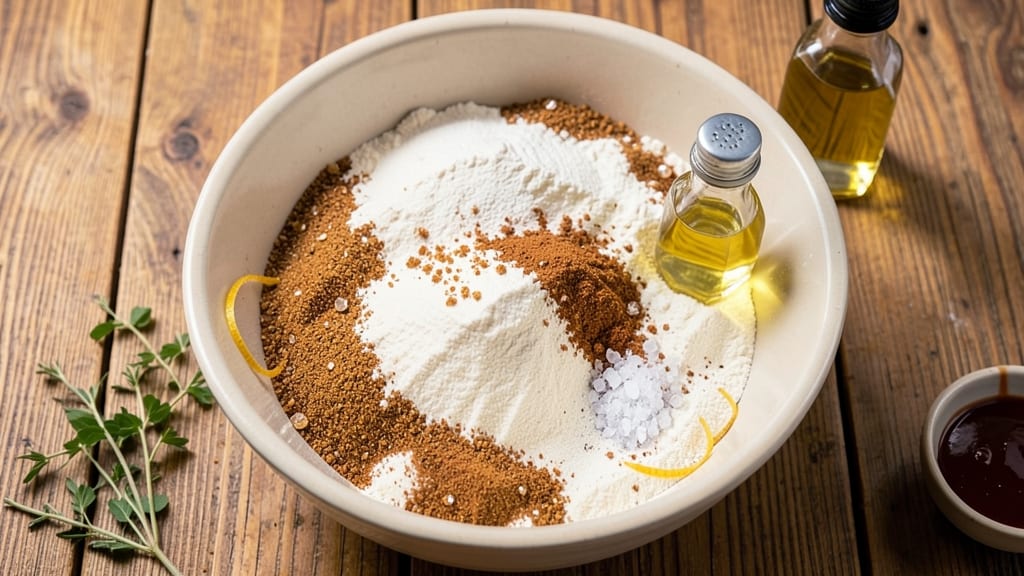
Ingredients for amish cake donut
Twelve simple ingredients for donuts that taste like a visit to an Amish bakery.
| Ingredient | Amount | Notes |
|---|---|---|
| All-Purpose Flour 🌾 | 3 cups | Sifted for light texture |
| Granulated Sugar 🍚 | ½ cup | White or light brown |
| Baking Powder 🧂 | 2 tsp | Freshly opened |
| Salt 🧂 | ½ tsp | Fine sea salt preferred |
| Ground Cinnamon 🌿 | 1 tsp | Freshly ground for warmth |
| Pure Vanilla Extract 🍯 | 1 tbsp | High-quality, not imitation |
| Large Eggs 🥚 | 2 whole | Room temperature |
| Unsalted Butter 🧈 | ½ cup | Softened, not melted |
| Whole Milk 🥛 | ¾ cup | Room temperature |
| Vegetable Oil 🫒 | 3 cups | For frying, 350°F |
| All-Purpose Flour 🌾 | ½ cup | For dusting before frying |
| Powdered Sugar 🍚 | 1 cup | For dusting, optional |
The flour is everything here—King Arthur or Gold Medal are my go-tos for that tender cake texture. Grab the white or light brown sugar; the molasses notes in dark brown would overpower the vanilla. Fresh baking powder is non-negotiable (check the expiration date!). For the cinnamon, Penzeys or McCormick ground versions work perfectly. The vanilla extract? No imitation stuff—pure, high-quality extract makes all the difference. Room temperature eggs and butter prevent lumps in the batter, so take them out 30 minutes before mixing. And that milk? Whole milk is key—it keeps the donuts moist.
No vanilla extract? Vanilla bean paste works too, or even a scraped vanilla bean. Short on butter? Coconut oil or shortening keeps the same texture. The frying oil can be vegetable, canola, or peanut oil—just keep it at 350°F (a candy thermometer helps). For the flour dusting, all-purpose works fine, but if you want extra crispiness, use cornstarch instead. The powdered sugar is optional, but trust me—it turns these into showstoppers. And if you're feeling fancy, swap the powdered sugar for a simple vanilla glaze (equal parts powdered sugar and milk).
The batter keeps for 2 days in the fridge, covered tightly, but I recommend making it fresh for the best texture. For frying, use a deep, heavy pot—cast iron is ideal. Don’t overcrowd the donuts in the oil, or they’ll lose their shape. Once fried, drain on a wire rack (not paper towels)—this keeps them crispy. Store leftover donuts in an airtight container at room temperature for 2 days, or freeze them for 1 month. Reheat in a 200°F oven for 5 minutes to restore that perfect crunch.
Why You'll Love This Recipe
- No-Fuss Mixing: I swear, the dough comes together faster than you can measure the cinnamon. Just fold in dry ingredients, stir in milk—done. No standing over a bowl, no overworking the batter.
- Warm Spice Magic: That whisper of cinnamon in every bite? It’s like a hug from a bakery. The sugar caramelizes just enough to give it that melt-in-your-mouth texture without tasting like dessert.
- Breakfast or Snack: Honestly, these work for both. Toss a batch in the fridge overnight, and they’re perfect cold for a quick breakfast with coffee—or fry them fresh for a weekend treat. My kids grab them straight from the pan.
- Pantry Staple Power: You’re already using flour, sugar, and baking powder—so why not? No specialty ingredients, no extra trips to the store. And if you make a double batch? They freeze like a dream for lazy mornings.
Step-by-step instructions for Amish cake donuts
Let's make these classic donuts with a tender cake-like center and that perfect crispy coating.
Mix Dry Ingredients for Light Texture
In a large mixing bowl, combine the 3 cups all-purpose flour, 0.5 cup granulated sugar, 2 teaspoons baking powder, 0.5 teaspoon salt, and 1 teaspoon ground cinnamon. Whisk everything together until there are no lumps remaining. I like to sift the flour first for an even lighter texture—this prevents dense donuts. Make a well in the center of the dry ingredients where you'll add the wet ingredients next.
Here's the thing—don't skip sifting. The baking powder needs to be evenly distributed, and sifting removes any potential lumps that could create uneven baking. Set this bowl aside for now while you prepare the wet ingredients.
Combine Wet Ingredients for Smooth Dough
In a separate bowl, melt the 0.5 cup unsalted butter in the microwave for 30-45 seconds until completely liquid but not hot to the touch. Let it cool slightly, then add the 2 whole large eggs and 0.75 cup whole milk. Mix until fully combined, then stir in the 1 tablespoon pure vanilla extract. The mixture should be smooth—if it looks slightly curdled, don't worry, it will come together when combined with the dry ingredients.
I always use room-temperature eggs and milk because they mix more smoothly with the melted butter. If your eggs are cold, they won't incorporate as well, and you might end up with a slightly denser dough. Pour this wet mixture into the well of the dry ingredients and gently stir with a wooden spoon until just combined. You'll want to avoid overmixing—just until the flour is fully incorporated and you have a soft, slightly sticky dough.
Shape and Chill the Donut Dough
Turn the dough out onto a lightly floured surface and knead it gently 5-6 times until it comes together. Be careful not to overwork it—the dough should remain soft and slightly tacky. Divide the dough into 12 equal pieces (about 2 tablespoons each) and roll each piece into a smooth ball. Place them on a parchment-lined baking sheet, cover with plastic wrap, and refrigerate for 30 minutes. Chilling helps the donuts hold their shape when frying and prevents them from spreading too much.
Here's a pro tip: if your kitchen gets warm, refrigerate the dough for up to 2 hours before frying. The colder dough fries more evenly and gives you that classic Amish cake donut texture with a tender interior and crispy exterior. Don't skip this step—it makes all the difference!
Fry to Golden Perfection
Heat 3 cups vegetable oil in a deep fryer or heavy pot to 350°F. Use a deep-fry thermometer to monitor the temperature—it's crucial for even cooking. Once the oil reaches temperature, carefully add 3-4 donuts at a time (don't overcrowd the pan). Fry for 2-3 minutes per side until they turn a deep golden brown color. You'll know they're done when a toothpick inserted comes out clean.
I fry in small batches to maintain the oil temperature. If you add too many at once, the oil temperature will drop, and your donuts won't get crispy. Use a slotted spoon to remove the donuts and drain them on a wire rack or paper towel-lined plate. Don't let them sit in the oil longer than necessary—they'll continue cooking and can become greasy.
Coat and Serve Warm
While the donuts are still warm, roll each one in the 0.5 cup all-purpose flour to create that classic crispy coating. For extra sweetness, you can dust them with the 1 cup powdered sugar while still warm. Serve immediately while they're crispy on the outside and tender on the inside. These donuts are best enjoyed fresh—waiting even a few minutes will make the coating soften.
Real talk: the flour coating is what makes these donuts special. It's not just about the taste—it's about the texture. The contrast between the crispy exterior and the soft, cake-like interior is what makes Amish cake donuts so beloved. Enjoy them warm with a cup of coffee or milk for the full experience!
Pro Tips For Making Amish Cake Donut
- Use Cold Butter, Not Soft: I learned this the hard way—cutting cold butter into the flour mixture creates pockets that make these donuts flaky instead of dense. Grab a block of butter straight from the fridge, slice it into small cubes, and toss them into the dry ingredients like you’re making a crumbly pie crust.
- Sift the Dry Mix Twice: The difference between a donut that rises evenly and one that’s lumpy is how well you sift the flour, sugar, baking powder, and cinnamon. After the first sift, give it another quick pass—especially if you’re using a recipe with a lot of sugar, which can clump. No food processor? A fine-mesh strainer over a bowl works in a pinch.
- Fry in Small Batches: Skip the urge to fry all your donuts at once—crowding the oil lowers the temperature and makes them greasy instead of golden. Aim for 2-3 donuts per batch, and resist the temptation to flip them too soon. Wait until the first side is deep golden brown before turning, or you’ll end up with doughy centers.
- Add a Pinch of Nutmeg: This isn’t in the classic recipe, but trust me: a tiny pinch of nutmeg (about ¼ teaspoon) alongside the cinnamon adds warmth without overpowering. It’s the kind of upgrade that makes these donuts taste like they came from a bakery, not your kitchen. (Yes, even if you’re skeptical like I was.)
Creative variations of these flavors
Cinnamon-Orange Twist
Boost the classic flavor by adding 1 teaspoon orange zest to the dry ingredients and replacing ½ teaspoon cinnamon with ½ teaspoon cardamom. The citrus brightens the vanilla while the cardamom adds a warm, floral note.
I love using Valencia orange zest for its sweetness. Serve with a glaze made from ½ cup powdered sugar + 2 tablespoons orange juice + ½ teaspoon vanilla extract. 🍊
Chocolate-Dipped Donuts
After frying, let the donuts cool for 5 minutes, then dip half in ½ cup melted dark chocolate (I use 70% Ghirardelli) and sprinkle with coarse sea salt while still wet.
The chocolate adds richness that pairs perfectly with the vanilla-cinnamon base. For a quicker version, drizzle melted chocolate over the powdered sugar-dusted donuts. 🍫
Baked Version for Healthier Option
Skip the frying entirely by baking the donuts at 375°F for 12-15 minutes on a parchment-lined sheet. Brush with 1 egg white + 1 tablespoon milk before baking for a light golden crust.
These work well for meal prep—store in an airtight container for 3 days. Pair with Greek yogurt glaze (½ cup Greek yogurt + ¼ cup powdered sugar + ½ teaspoon vanilla). 🥜
Spiced Pumpkin Donuts
Replace ½ cup milk with ½ cup pumpkin puree and add 1 teaspoon pumpkin pie spice (or ½ tsp cinnamon + ¼ tsp ginger + ¼ tsp nutmeg).
The pumpkin adds moisture and depth. For extra flair, brush warm donuts with 2 tablespoons maple syrup before dusting with powdered sugar. Perfect for fall! 🎃
Gluten-Free Adaptation
Swap the all-purpose flour for a 1:1 gluten-free baking flour blend (like Bob's Red Mill) and add ½ teaspoon xanthan gum to the dry ingredients. Use ½ cup almond milk instead of whole milk to keep the texture tender.
These hold up well to frying but may need 1 extra minute per side to crisp properly. 🌾
Make-Ahead Glaze Options
Prep glazes in advance by mixing powdered sugar with liquid (milk, coffee, or fruit juice) and storing in airtight containers for 3 days. For a vanilla glaze, whisk 1 cup powdered sugar + 2 tablespoons milk + ½ teaspoon vanilla.
For a coffee glaze, use 2 tablespoons strong brewed coffee instead of milk. Refrigerate glazes until ready to use. ✨
Nutrition facts
Frequently asked questions
Why do Amish cake donuts have that signature crispy coating?
The classic texture comes from two key steps: rolling the fried donuts in flour while still warm and frying them at the precise 350°F temperature. The flour creates a dry, crisp barrier that contrasts perfectly with the tender cake interior. Skipping the flour roll means missing that signature crunch!
Can I make these donuts without frying?
For a baked version, shape the dough into rings and bake at 375°F for 12-15 minutes on a parchment-lined sheet. Brush with 1 egg white + 1 tablespoon milk before baking for a light golden crust. These hold up well for meal prep—just store in an airtight container for 3 days. The texture will be softer than fried but still delicious.
How do I keep the donuts from sticking together after frying?
Use a wire rack instead of paper towels to drain the donuts—the extra airflow prevents sogginess. If you must use paper towels, pat them gently (don't press) and place them on a rack immediately. For extra insurance, dust the rack with a tiny bit of flour before draining. Never stack them while warm!
What's the best glaze for these donuts?
The classic choice is powdered sugar dusting, but for extra flavor try a simple vanilla glaze: mix 1 cup powdered sugar + 2 tablespoons milk + ½ teaspoon vanilla extract. For a coffee twist, replace the milk with 2 tablespoons strong brewed coffee. Always glaze donuts while they're still warm—the glaze sets better and tastes richer.
Why did my donuts turn out greasy?
Greasy donuts usually mean one of two things: the oil was too cool (below 350°F) or the donuts sat in the oil too long. Use a thermometer to monitor temperature and fry in small batches. Remove donuts immediately when golden brown—they'll continue cooking on the rack. Also, avoid overcrowding the pan.