Main Courses
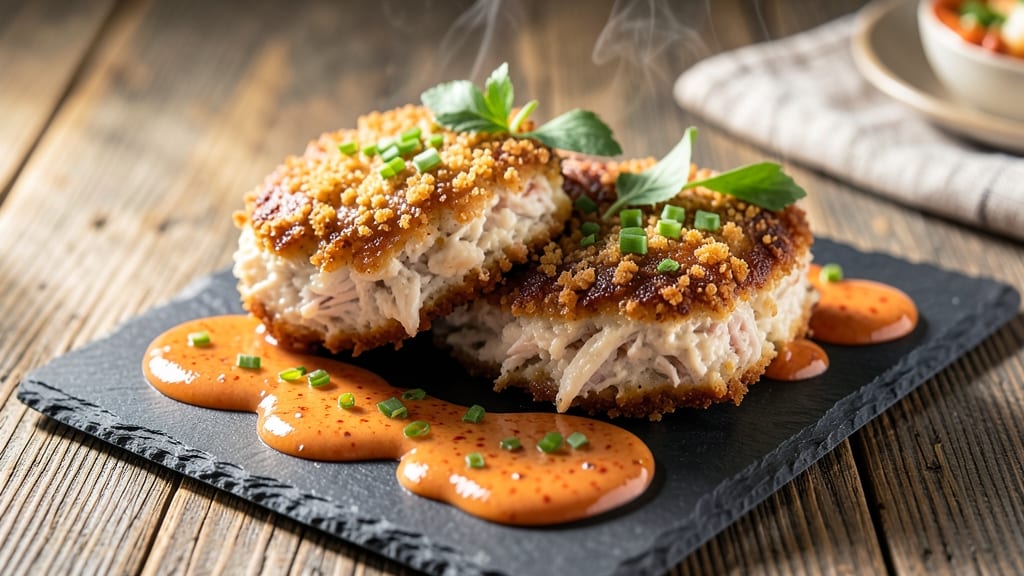
This amazing crab cake recipe delivers the perfect balance of crispy-golden crust and flaky, tender interiors that’ll have you craving more. 🔥 The secret lies in the right ratio of fresh crab meat to binder—just enough egg and panko to hold it together without making them dense.
I’ve tested this recipe countless times, and it never fails to impress, whether you’re serving them at a seafood boil or a casual weekend brunch.
What makes these crab cakes truly stand out is the crispy exterior that shatters with every bite, revealing a moist, buttery interior packed with sweet, briny crab. The key is frying them in small batches over medium heat—crowding the pan will steam them instead of crisp them up.
I also add a splash of Worcestershire sauce to the batter for depth, and a touch of Old Bay seasoning to keep that classic Maryland crab cake flavor.
Once golden and perfectly cooked, these crab cakes are best served with a tangy remoulade or a drizzle of lemon aioli. The contrast of the cool, creamy sauce against the warm, crispy crab is pure magic.
They pair beautifully with a simple arugula salad or roasted corn on the cob, making this a complete, restaurant-worthy dish that’s surprisingly easy to recreate at home.
Don’t worry if you’re new to crab cakes—this recipe is foolproof and packed with tips to avoid common mistakes, like overmixing the batter or frying them too fast. Let’s get cooking and turn your seafood night into something truly special!
Ingredients for amazing crab cake
These ingredients create the perfect balance of crispy crust and tender crab inside.
| Ingredient | Amount | Notes |
|---|---|---|
| Fresh Lump Crab Meat 🦀 | 1 ½ lb | Backfin preferred, not imitation |
| Large Eggs 🥚 | 2 whole | Room temperature for best binding |
| Panko Breadcrumbs 🍞 | ½ cup | Japanese-style for extra crunch |
| Unsalted Butter 🧈 | ¼ cup | Melted, full-fat for richness |
| Mayonnaise 🥫 | ¼ cup | Duckay or Hellmann's preferred |
| Worcestershire Sauce 🍶 | 1 tbsp | For umami depth |
| Old Bay Seasoning 🌶️ | 1 tbsp | Classic Maryland flavor |
| Fresh Lemon Juice 🍋 | 1 tbsp | Brightens the flavor |
| Chives 🌿 | 2 tbsp | Finely chopped, for garnish |
| Vegetable Oil 🫒 | 2 cups | High smoke point for frying |
| Salt 🧂 | ½ tsp | Kosher or sea salt |
| Black Pepper 🌶️ | ¼ tsp | Freshly ground |
The crab meat makes or breaks these—backfin lump is the gold standard (it’s pricier but worth it). I grab mine at Whole Foods or Trader Joe’s when they have it fresh. If you’re using frozen, thaw it overnight in the fridge—never under running water, or the crab turns mushy. The eggs need to be room temp, so take them out 30 minutes before mixing. For the panko, Japanese-style (like Kikkoman) gives the best crunch—don’t substitute regular breadcrumbs unless you want a denser cake. And trust me on the butter: full-fat is non-negotiable here.
No lump crab? Clarified or imitation crab works in a pinch, but texture will differ. Short on mayo? Greek yogurt or sour cream adds creaminess (reduce by 2 tbsp). The Worcestershire sauce can be swapped for soy sauce plus a pinch of sugar, but you’ll lose that classic tang. Old Bay hard to find? Mix 1 tsp paprika + ½ tsp celery salt + ¼ tsp black pepper. The lemon juice is key—if you’re out, lime juice works too. And if you’re worried about overmixing, remember: the batter should hold shape when dropped, but still look slightly broken—like wet sand.
These keep best in the fridge for 2 days if you reheat them properly—wrap in foil and warm in a 275°F oven for 10 minutes. The panko gets soggy fast, so don’t store them uncovered. For make-ahead prep, shape the cakes but don’t fry them—keep them in the fridge for up to 24 hours, then fry fresh. Freezing? Flash-freeze on a tray first, then transfer to a bag for 1 month. Garnish with chives right before serving—they wilt fast, so don’t add them to the batter.
Why You'll Love This Recipe
- The secret’s in the pan: melt butter until it’s golden, then sear those cakes until the edges are caramelized. That crispy shell with the fluffy, buttery crab inside? It’s the kind of bite that makes you pause mid-conversation.
- No-Fuss Mixing: I swear by this recipe because it’s just three bowls—no food processor, no stress. Toss the crab, mayo, and egg together with your hands (yes, really), then fold in the panko. That’s it. No overworking the batter, no waiting for dough to rest.
- Buttery Crisp Magic: The secret’s in the pan: melt butter until it’s golden, then sear those cakes until the edges are caramelized. That crispy shell with the fluffy, buttery crab inside? It’s the kind of bite that makes you pause mid-conversation.
- Weeknight or WOW Night: Same recipe, two vibes. Slap them on a toasted bun with remoulade for a lazy Tuesday lunch, or plate them with lemon aioli and arugula for a dinner that feels fancy. Honestly, they’re my go-to for any occasion where I don’t want to slave away in the kitchen.
Step-by-step instructions for crispy-golden crab cakes
Here's how to build crab cakes with a perfect golden crust and tender, flaky centers every time.
👨🍳 Step 1: Prepare the Crab Cake Mixture
In a large mixing bowl, gently combine the 1.5 lb fresh lump crab meat with the 2 whole large eggs. I use my hands to break up any large chunks while keeping most of the crab's natural texture intact—this creates those beautiful flaky layers when cooked. Add the 0.5 cup panko breadcrumbs, 0.25 cup mayonnaise, 0.25 cup melted unsalted butter, 1 tbsp Worcestershire sauce, 1 tbsp Old Bay seasoning, 0.5 tsp salt, and 0.25 tsp black pepper. Mix everything together until just combined—don't overmix or you'll get dense crab cakes.
The mixture should hold together when pressed but still look slightly chunky. If it's too wet, add a few more breadcrumbs. I like to let it sit for 10 minutes at room temperature while I prep the frying station—this helps all the flavors meld together. Here's the thing—don't skip this resting time. It makes a huge difference in texture.
🍳 Step 2: Shape and Chill the Crab Cakes
Using a cookie scoop or your hands, form the mixture into 4 equal patties (about 3/4-inch thick). I press them gently but firmly to ensure they hold their shape when frying. Place them on a parchment-lined plate and refrigerate for 30 minutes. This chilling step is crucial—it helps the crab cakes maintain their shape and prevents them from falling apart in the hot oil.
While they're chilling, I like to get my frying station ready. Fill a deep skillet with 2 cups vegetable oil and heat it to 350°F—this is the perfect temperature for getting that golden crust without burning the outside before the inside cooks through. Use a thermometer to monitor the oil temperature carefully. If it gets too hot, you'll end up with burnt crusts and raw centers.
🔥 Step 3: Fry to Golden Perfection
Carefully place the chilled crab cakes in the hot oil, being gentle so they don't break apart. Fry for 3-4 minutes per side until they're deep golden brown and the edges are crispy. You'll know they're ready when you see little bubbles forming around the edges and the crust looks like it's about to shatter. Don't overcrowd the pan—fry them in batches if needed to maintain the oil temperature.
Here's where it gets fun—taste test one! The inside should be just cooked through with a slight warmth in the center. If it's still cold, fry for another 30 seconds. The crab cakes will continue cooking slightly after you remove them from the oil, so pull them out when they're just about done. Drain them on a wire rack or paper towel-lined plate to remove excess oil.
🥘 Step 4: Finish with Lemon and Chives
While the crab cakes are still hot, drizzle each one with 1/4 tbsp fresh lemon juice (about 1 tbsp total). This brightens the flavors and cuts through the richness of the butter and mayo. Sprinkle with 1/2 tbsp finely chopped chives for a fresh finish. The acid from the lemon helps set the crust slightly, making it even more stable when serving.
Serve immediately with your favorite dipping sauce—tartar sauce, cocktail sauce, or even a simple lemon aioli. The contrast of the crispy exterior with the tender, flaky interior is what makes these crab cakes truly amazing. Real talk: if you let them sit too long, they'll lose that perfect texture. Enjoy them while they're hot!
Pro Tips For Making Amazing Crab Cake
- CHILL THE CRAB MEAT: Dump that freshly shucked lump crab straight into your bowl and you’ll end up with a mushy, sad cake. Instead, cover the meat in ice water for 10 minutes first—this firms it up and keeps those delicate lumps intact. (Yes, I know it feels like waiting forever, but trust me, your crab cakes will hold together like they’re supposed to.)
- PRESS OUT THE MOISTURE: Lump crab meat comes with its own built-in water park. After mixing everything, line a plate with paper towels, spread the crab mixture in a thin layer, and press down gently with another dry towel. This step cuts down on grease splatter when frying and guarantees a crispier crust. (I learned this the hard way after flipping a greasy, wobbly crab cake into my cast iron.)
- USE A THERMOMETER: Butter burns fast, and crab cakes need that golden crust without turning to rubber. Hit 350°F in your pan, then check the oil temperature with a thermometer—it should stay between 360-370°F. If it’s lower, your cakes will steam; if it’s higher, you’ll have crispy-on-the-outside, raw-on-the-inside disasters. (I was skeptical until I tried it—now I never fry without one.)
- MIX IN THE MAYO LAST: Add the mayo too early and your crab cakes will turn into a greasy, dense brick. Stir it in right before shaping—just enough to bind, not drown. For extra richness, fold in a teaspoon of Dijon mustard too; it cuts through the fat and adds a bright kick. (This isn’t the prettiest method, but it’s the tastiest.)
Troubleshooting your amazing crab cake
Batter Too Wet?
If your crab cake mixture feels too loose to shape, add 1-2 tablespoons more panko breadcrumbs at a time until it holds together when pressed. I’ve found that Japanese-style panko (like Kikkoman) absorbs moisture better than regular breadcrumbs.
The goal is a texture like wet sand—cohesive but still slightly broken. Overmixing can also make the batter wetter, so mix just until combined. 💡
Frying Failures
If your crab cakes turn out greasy or soggy, your oil temperature is likely too low. Use a thermometer to maintain 350°F—any lower, and the panko won’t crisp properly. Also, don’t overcrowd the pan: Fry in batches to keep the oil hot.
I’ve ruined perfect crab cakes by adding too many at once, so patience here is key. 🔥
Crust Not Crispy?
A lack of crunch usually means the crab cakes weren’t chilled long enough before frying. Refrigerate for at least 30 minutes—this firms up the mixture so it doesn’t fall apart in the oil.
For extra crispiness, try double-dredging: Dip shaped cakes in beaten egg, then coat with more panko before frying. This adds an extra crunchy layer. ✨
Crab Cakes Falling Apart
If your crab cakes disintegrate when frying, the binder (egg + mayo) might be insufficient. Add 1 more egg yolk to the mixture for extra stickiness. Also, shape them gently but firmly—too much pressure can break down the crab meat.
For extra insurance, use backfin lump crab, which holds together better than imitation. 🦀
Uneven Cooking
Thicker edges cooking faster than the center? Press your crab cakes to an even ¾-inch thickness before frying. If they still cook unevenly, try flipping them once (instead of twice) for a shorter cook time.
For extra insurance, fry at 340°F instead of 350°F—this gives the center more time to cook through without burning the outside. 🌡️
Storage Sogginess
Crab cakes left in the fridge overnight often lose their crunch. Reheat in a 275°F oven (not microwave!) for 10-12 minutes to revive the crust. For make-ahead prep, flash-freeze shaped cakes before frying—this locks in texture. Just thaw in the fridge before cooking fresh. ❄️
Nutrition facts
Frequently asked questions about perfect crab cakes
Can I use imitation crab instead of fresh lump crab?
You can, but texture and flavor will differ. Imitation crab works best when mixed with 1/4 cup finely chopped white fish (like cod) to improve binding. Expect a denser, slightly sweeter result than with fresh lump crab. For the best experience, stick with backfin lump crab—it's pricier but worth the flaky texture.
How do I keep crab cakes from falling apart when frying?
Chill the shaped cakes for 30 minutes before frying to firm them up. Use 1 extra egg yolk in the batter for added stickiness, and shape them gently but firmly. For extra insurance, try double-dredging: Dip shaped cakes in beaten egg, then coat with extra panko before frying. This creates a stronger crust.
Can I bake these crab cakes instead of frying?
Preheat oven to 400°F and bake on a parchment-lined sheet for 12-15 minutes until golden. Brush with melted butter halfway through for crispiness. Baking yields a lighter texture but less crunch than frying. For best results, use an oven thermometer to ensure accurate heat.
What's the best way to reheat leftover crab cakes?
Reheat in a 275°F oven for 10-12 minutes on a wire rack to revive the crust. Avoid microwaving—they'll turn soggy. For extra crunch, broil for 1-2 minutes at the end. Store leftovers in an airtight container for up to 2 days.
How do I make these crab cakes ahead of time?
Shape the cakes and refrigerate for up to 24 hours before frying. For longer storage, flash-freeze shaped cakes on a tray, then transfer to a bag for 1 month. Thaw in the fridge before cooking fresh. Never freeze after frying—they'll lose texture.