
Desserts
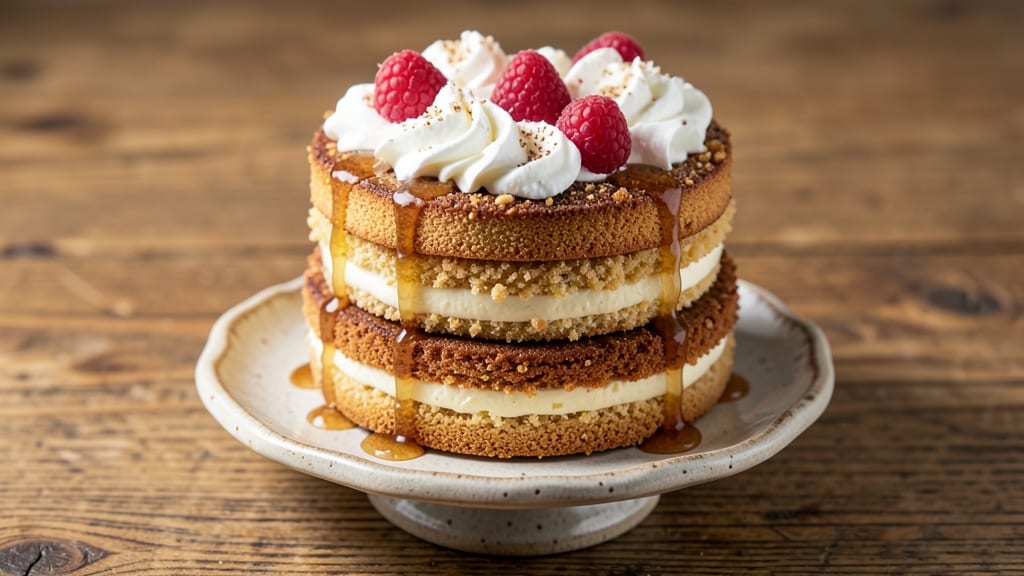
This Alpine cake recipe brings Swiss mountain charm to your kitchen with its signature layers of citrus brightness and nutty almond flavor. 🌟 The secret lies in a delicate balance of flour, butter, and eggs that creates a tender crumb, while lemon and orange zest infuse each bite with that signature Alpine freshness.
I've perfected this version to ensure moist layers that stay rich without being heavy—a true challenge when baking at high altitudes.
The recipe combines classic Alpine elements with modern techniques, using a precise mix of all-purpose flour, ground almonds, and a touch of baking powder for that signature lift.
Baking at 350°F for 40-45 minutes ensures even golden layers, while a simple glaze of powdered sugar and citrus juice adds the final touch of elegance. The cake's texture is what makes it special—light yet substantial, with just enough moisture to keep it tender.
What sets this Alpine cake apart is its versatility. Serve it dusted with powdered sugar for a classic presentation, or slice it into generous portions for your next coffee gathering. The citrus notes pair beautifully with strong Swiss coffee or a glass of chilled white wine.
Each slice reveals those perfect layers of flavor—bright citrus, buttery richness, and the delicate crunch of almonds.
This recipe delivers restaurant-quality results at home, with a method that's both traditional and approachable. Whether you're celebrating a special occasion or simply craving a taste of the Alps, this cake brings a touch of Swiss mountain magic to your table. Let's get baking!
Ingredients for alpine cake
Twelve ingredients crafting Swiss mountain elegance with citrus brightness and almond richness.
| Ingredient | Amount | Notes |
|---|---|---|
| All-Purpose Flour 🌾 | 2 ½ cups | Sifted for even texture |
| Unsalted Butter 🧈 | 1 ½ cups | Room temperature, European preferred |
| Granulated Sugar 🍚 | 2 cups | Superfine preferred for smoothness |
| Ground Almonds 🌰 | 1 ½ cups | Finely ground for texture |
| Large Eggs 🥚 | 4 whole | Room temperature for even baking |
| Baking Powder 🧂 | 1 ½ tsp | Double-acting for lift |
| Salt 🧂 | ½ tsp | Fine sea salt preferred |
| Lemon Zest 🍋 | 2 tbsp | Freshly grated for brightness |
| Orange Zest 🍊 | 2 tbsp | Freshly grated for depth |
| Powdered Sugar 🍚 | 1 ½ cups | For glaze and dusting |
| Lemon Juice 🍋 | 2 tbsp | Freshly squeezed for glaze |
| Heavy Cream 🥛 | ½ cup | Optional for citrus glaze |
| Vanilla Extract 🌸 | 1 tsp | Pure vanilla for aroma |
The butter and almonds are your flavor anchors here. European-style butter has higher fat content, which delivers that signature Alpine richness—don't skimp on quality. Ground almonds should be finely textured (no chunks) for that perfect crumb. I grab mine from Trader Joe's in the bulk section, but any reputable grocery store carries them. Fresh citrus zest is non-negotiable—pre-grated zest loses its punch fast. If you can't find fresh, zest your own (it takes 30 seconds with a microplane). For the flour, King Arthur or Gold Medal brands are my go-to—they're consistent and reliable for layering.
No European butter? Plugrá or Land O'Lakes unsalted work in a pinch, though they're slightly less rich. Substituting almonds? Hazelnuts or macadamias add different flavors but require extra grinding. Citrus zest substitutes: bottled zest works but lacks freshness—if using, double the amount. The baking powder must be fresh—if it's over a year old, test it in a small batter first (should puff up). For the glaze, if you're avoiding dairy, swap heavy cream for coconut cream—just know it'll be slightly lighter. The vanilla extract should be pure—imitation extracts have a chemical aftertaste that ruins the delicate balance.
Store your cake in an airtight container at room temperature for up to 5 days—it actually improves with age as the flavors meld. For longer storage, wrap tightly in plastic and refrigerate for up to 2 weeks. The glaze will dry out if exposed to air, so cover it well. Freeze individual layers (if you make a multi-layer version) for up to 3 monthsBring the cake to room temperature before slicing—it's more tender when not chilled. And if you're serving with coffee, save a slice for yourself—it's that good.
Why You'll Love This Recipe
- Pantry staples only: flour, butter, sugar, almonds, eggs. No fancy ingredients, but it tastes like you spent hours baking. Leftovers? They disappear faster than I can say “second helping.”
- No Mixer Needed: I swear by this recipe when my hands are full—just cream butter and sugar by hand, fold in dry ingredients, and you’re done. The ground almonds add texture without extra work, and the eggs bind it all together like magic.
- Buttery-Almond Magic: That first bite? Rich, tender crumb with a whisper of nutty depth from the ground almonds—like a hug for your taste buds. The butter keeps it moist, but the sugar gives it just enough lift to feel special.
- Crowd-Pleaser Any Day: Serve it warm with tea for a cozy afternoon, slice it for potlucks, or pack it in lunchboxes—it’s the one dessert that never feels out of place. Honestly, my neighbors started asking for it after I brought a slice over.
Step-by-step instructions for Alpine cake
Master this elegant Swiss cake with layers of citrus brightness and almond richness.
👨🍳 Step 1: Prepare the Citrus-Infused Batter
Preheat your oven to 350°F and grease two 9-inch round cake pans. In a medium bowl, whisk together the 2.5 cups all-purpose flour, 1.5 tsp baking powder, and 0.5 tsp salt. Set aside—this dry mix is your foundation.
In a large mixing bowl, cream the 1.5 cups unsalted butter and 2 cups granulated sugar on medium speed until light and fluffy, about 3-4 minutes. This step incorporates air, creating that signature tender crumb. Scrape down the sides of the bowl to ensure even mixing.
Add the 4 whole large eggs one at a time, mixing well after each addition. Stir in the 2 tbsp lemon zest, 2 tbsp orange zest, and 1 tsp vanilla extract until fully combined. The citrus zest should be evenly distributed—this is where the cake gets its vibrant alpine character.
Gradually add the dry ingredients to the wet mixture, alternating with the 1.5 cups ground almonds. Mix on low speed just until combined—overmixing develops gluten, which can make the cake dense. The batter should be thick but pourable. Divide the batter evenly between the prepared pans.
🔥 Step 2: Bake to Golden Perfection
Bake the cakes for 25-30 minutes, or until a toothpick inserted into the center comes out clean. The edges should be golden brown, and the top should spring back when gently touched. Rotate the pans halfway through baking for even heat distribution.
Here's the thing—don't open the oven door early to check. The sudden temperature drop can cause the cakes to sink. If you're unsure, rely on the toothpick test rather than visual cues. Once baked, transfer the pans to a wire rack and let the cakes cool in the pans for 10 minutes before removing.
Allow the cakes to cool completely at room temperature. This resting period is crucial—it prevents the layers from shifting when you assemble the cake later. The cakes should be fully cool but still slightly warm to the touch.
🥘 Step 3: Assemble the Alpine Layers
Place one cake layer on a cake stand or plate. Spread a thin, even layer of citrus glaze (mix 1.5 cups powdered sugar, 2 tbsp lemon juice, and 0.5 cup heavy cream until smooth) over the top. This glaze acts as both a binder and a flavor enhancer.
Repeat with the second cake layer, placing it on top of the first. Gently press down to ensure the layers adhere. Dust the top and sides of the cake with additional powdered sugar using a fine-mesh sieve. This creates that signature alpine finish and adds a delicate sweetness.
For extra flair, you can pipe a simple citrus buttercream around the edges or between the layers. Use the remaining glaze mixture for this—it's lighter than traditional buttercream and complements the cake's natural flavors. Chill the assembled cake in the refrigerator for 30 minutes before serving to set the glaze.
⏰ Step 4: Serve with Confidence
Slice the cake with a sharp, hot knife for clean, professional cuts. The layers should be moist but not soggy, with a delicate crumb that practically melts in your mouth. Each slice should reveal the beautiful citrus-infused batter and the almond texture from the ground almonds.
This cake keeps well at room temperature for 2 days or in the refrigerator for up to 5 days. For best results, bring it to room temperature before serving. The flavors deepen as it sits, making it even more delicious the next day.
Pro Tips For Making Alpine Cake
- CREAM BUTTER TO ROOM TEMP: I learned this the hard way—cold butter makes your cake dense and greasy. Take that block out of the fridge 30 minutes before you start, then press it through a ricer or pulse it in a food processor until it’s smooth but still cool, not melted. This keeps the texture light and fluffy without turning into butter soup.
- SIFT THE ALMONDS: Ground almonds pack tightly and can make your cake dry. Sift them directly into your mixing bowl before adding the flour—this aerates them and ensures even distribution. Skip this, and you’ll end up with pockets of gritty texture instead of a silky crumb.
- BAKE UNTIL SPRINGY: The cake should pull away from the pan edges but still feel slightly soft in the center when you press it gently. Overbaking dries out the almond flavor, and underbaking leaves it gummy. If the top browns too fast, tent it with foil after 20 minutes—this is where most people mess up the timing.
- USE LESS SUGAR IF USING OLD EGGS: Old eggs (over 3 weeks) overbeat into stiff peaks and can make your cake cakey instead of tender. Reduce the sugar by 1-2 tablespoons if your eggs are past their prime, or use room-temperature eggs—they whip faster and more reliably. Trust me, your cake will thank you.
Perfect pairings for this alpine cake
Coffee Pairings
This Alpine cake practically begs for a strong Swiss coffee to complement its citrus notes and almond richness. I always reach for a dark roast Swiss Mocha—the deep, slightly bitter notes balance the cake's sweetness beautifully.
For a lighter option, try a Viennese Melange with its creamy texture and caramelized sugar undertones. Serve with a dollop of whipped cream to enhance the cake's buttery layers. ☕
Wine Complements
A crisp Sauvignon Blanc from Switzerland's Lavaux region is my go-to pairing—its bright acidity and citrusy undertones mirror the cake's lemon and orange zest. For something more robust, a dry Riesling with its stone fruit notes creates a perfect harmony.
Avoid heavy reds; they'll overpower the delicate citrus flavors. Chill your wine to 45-50°F for optimal sipping. 🍷
Seasonal Variations
In summer, I like to serve this cake with fresh berry compote on the side—the tartness cuts through the richness. For winter gatherings, a scoop of vanilla bean ice cream adds a creamy contrast.
The cake's almond texture pairs wonderfully with the smoothness of ice cream, creating a luxurious dessert experience. 🍓
Creamy Contrasts
For an extra touch of Alpine elegance, serve with Swiss-style custard or crème fraîche. The tangy creaminess enhances the cake's citrus notes while adding a luxurious texture. I use Godiva Swiss Milk Chocolate shavings on top for a final flourish that guests always rave about.
The contrast between the cake's moisture and the chocolate's crunch is pure magic. 🍫
After-Dinner Digestion
Pair this cake with Swiss herbal tea like chamomile or peppermint to aid digestion after a rich meal. The tea's soothing properties complement the cake's richness while cleansing the palate. For a non-alcoholic option, a sparkling apple cider with its crisp acidity refreshes the palate between bites. 🍎
Regional Twists
In the Swiss Alps, this cake is often served with local honey drizzle—the floral notes enhance the citrus flavors. For a more decadent version, add a layer of Swiss meringue between the cake layers.
The meringue's lightness balances the cake's density while adding a delicate crunch. This variation is perfect for special occasions. 🍯
Nutrition facts
Frequently asked questions
Why does this Alpine cake need ground almonds?
The ground almonds create that signature Alpine texture—delicate yet substantial. They add natural sweetness and a pleasant crunch while keeping the cake moist. Without them, the cake would be denser and lack that signature nutty depth that makes it feel so special.
Can I make this cake in a single layer instead of two?
Use a 9x13-inch pan and reduce baking time to 30-35 minutes. The citrus glaze will still work beautifully—just spread it evenly over the top. The texture remains the same, but the presentation changes. Perfect for smaller gatherings or when you want individual slices!
How do I prevent my Alpine cake from cracking?
Cracking usually happens from sudden temperature changes. Let the cake cool gradually in the pan for 10 minutes, then transfer to a wire rack. Avoid opening the oven door early—temperature drops cause cracks. Also, don't overmix the batter (gluten development = cracks).
Can I substitute almonds for another nut?
Yes, but texture and flavor will change. Hazelnuts or macadamias work best—grind them finely for consistency. Walnuts are too strong in flavor. If using hazelnuts, toast them first to enhance their nuttiness. Just remember, almonds give that classic Alpine crumb this recipe was designed for.
Why does my cake taste dry after baking?
Dryness usually means overbaking or insufficient moisture. Check your oven temperature—350°F is crucial. Also, ensure you're using room-temperature butter and eggs. For extra moisture, brush the cake layers with simple syrup (equal parts sugar and water) before assembling. The citrus glaze helps too!