
Desserts
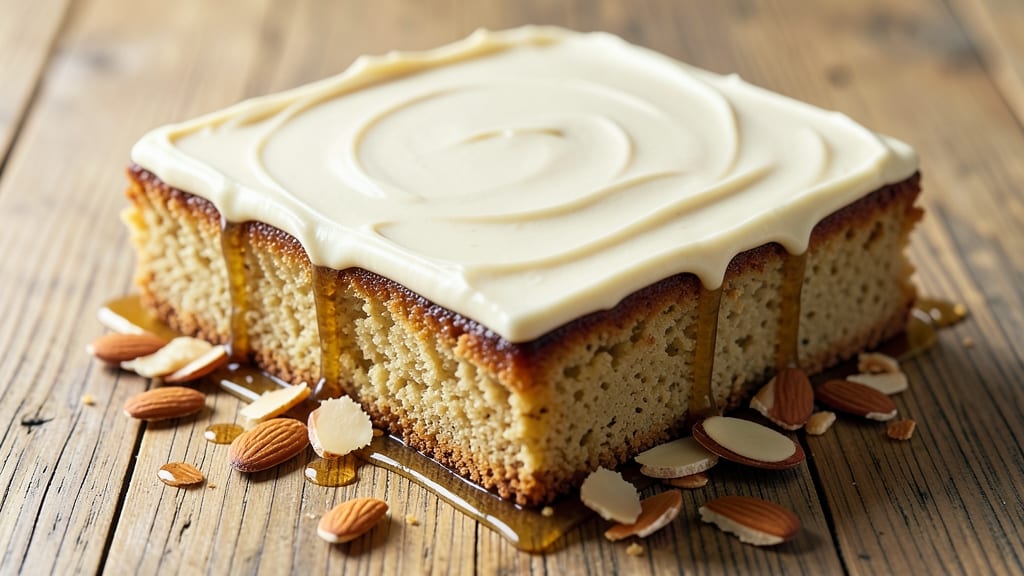
This almond sour cream pound cake delivers the perfect balance of buttery crust and ultra-moist crumb, thanks to a secret combination of tangy sour cream and finely ground almonds. 💛 The result?
A tender, nutty cake that stays fresh for days—ideal for birthdays, holidays, or anytime you crave a showstopping dessert without the fuss of layer cakes.
The foolproof technique starts with properly mixing the batter to distribute almonds evenly, then baking at the right temperature to ensure a golden crust while keeping the interior perfectly moist.
Sour cream acts as a natural tenderizer, while toasted almond flour adds depth and texture that separates this from ordinary pound cakes.
By the time it emerges from the oven, you’ll have a cake with a crisp exterior and a velvety interior, where every slice reveals pockets of almond flavor and a satisfying crumb.
The frosting or glaze (optional) adds a final touch of elegance, but even plain, it’s a crowd-pleaser that disappears faster than you can say "second slice."
Perfect for special occasions or everyday indulgence, this recipe scales easily and keeps well for up to five days. Let’s get baking—your taste buds will thank you.
Ingredients for almond sour cream pound cake
Tender crumb meets buttery crust in this almond-sour cream masterpiece—just 13 ingredients for showstopping results.
| Ingredient | Amount | Notes |
|---|---|---|
| Unsalted Butter 🧈 | 1 cup | Softened to room temperature |
| Granulated Sugar 🍚 | 2 cups | Light brown preferred for depth |
| Almond Flour 🌰 | 1 ½ cups | Finely ground, toasted lightly |
| All-Purpose Flour 🌾 | 1 ½ cups | Sifted for even distribution |
| Sour Cream 🥛 | 1 cup | Full-fat for maximum moisture |
| Large Eggs 🥚 | 4 whole | Room temperature for even baking |
| Vanilla Extract 🌿 | 2 tsp | Pure Madagascar preferred |
| Baking Powder 🧂 | 2 tsp | Aluminum-free for best results |
| Salt 🧂 | ½ tsp | Fine sea salt preferred |
| Almond Extract 🌰 | 1 tsp | Pure, not imitation |
| Milk 🥛 | ½ cup | Whole milk for richness |
| Powdered Sugar 🍚 | 1 cup | For optional glaze |
| Lemon Zest 🍋 | 1 tbsp | Brightens the almond flavor |
The almond flour is non-negotiable here—Bob's Red Mill or King Arthur brands give the best texture. Toast it lightly in a dry pan for 3-4 minutes to deepen the flavor (that nutty aroma is everything). For sour cream, full-fat is a must—the fat content keeps the cake moist for days. If you can't find almond extract, vanilla bean paste works in a pinch, but the almond flavor won't be as pronounced. Butter should be softened but not melted—press a finger into it and it should leave a slight indent.
No almond flour? Substitute with 1 cup ground almonds (blend whole almonds in a food processor), but expect a slightly denser texture. Sour cream too thick? Thin it with 1 tbsp milk to help the batter flow. For a lighter cake, fold in 1/2 cup whipped egg whites at the end. The lemon zest can be omitted if you prefer a neutral flavor, but trust me—it brightens up the almond notes beautifully. If you're baking in a high-altitude area, add 1/4 tsp more baking powder to compensate.
This cake keeps like a dream—5 days wrapped tightly at room temperature or 2 weeks refrigerated. For extra-long storage, slice and freeze portions for up to 3 months. The glaze (if using) sets best after 1 hour, but the cake is delicious plain too. I always bake two pans at once—they disappear faster than you can say "second slice." Pro tip: Brush the warm cake with 1 tbsp melted butter before glaze for extra richness.
Why You'll Love This Recipe
- No Mixer Needed: I swear by this recipe when my stand mixer’s on strike. Cream the butter and sugar by hand—it’s just a few minutes of elbow grease, and the result? That signature tender crumb you’d pay extra for at a bakery.
- Nutty Creamy Magic: The almond flour gives it a subtle earthiness, while the sour cream keeps it moist and rich. Honestly, the first bite makes me question why I ever bought store-bought pound cake—it’s that good.
- Weekend Breakfast or Dessert: Slice it warm with butter for a lazy Sunday brunch, or dust it with powdered sugar for an after-dinner treat. My kids even ask for it at lunch—yes, even when they’re supposed to be eating sandwiches.
- Leftovers That Don’t Suck: This cake actually improves the next day. I’ll wrap a slice in foil and toss it in my bag for a no-fuss snack, or reheat a portion in the oven until it’s warm and fragrant again. Zero waste, all flavor.
Step-by-step instructions for almond sour cream pound cake
Here's how to bake a tender, nutty cake with a buttery crust that stays moist for days.
👨🍳 Step 1: Prepare Your Dry Ingredients
In a medium bowl, whisk together the 1.5 cups almond flour and 1.5 cups all-purpose flour until completely combined. Sift in the 2 tsp baking powder and 0.5 tsp salt, then whisk again until no lumps remain. This ensures even distribution and prevents dense spots in your cake. I like to give it a good stir with a fork to break up any remaining clumps.
In a separate small bowl, mix the 1 tbsp lemon zest with the 1 tsp almond extract. This bright citrus-almond combo is where the magic happens—it cuts through the richness of the butter and sour cream while enhancing the nutty flavor. Set both bowls aside for now; we'll combine them shortly with the wet ingredients.
🍳 Step 2: Cream Butter and Sugar to Lighten the Mixture
In a stand mixer fitted with the paddle attachment, beat the 1 cup softened unsalted butter and 2 cups granulated sugar on medium speed for 3-4 minutes until light and fluffy. You'll know it's ready when the mixture nearly doubles in volume and becomes pale in color. This step incorporates air, which creates that signature tender crumb in pound cakes.
I press down on the butter mixture occasionally to check its progress—it should leave a visible indentation that slowly fills back in. This creaming process is crucial; if you rush it, your cake will turn out dense. Once properly creamed, the mixture should look like thick, glossy ribbon when you lift the paddle.
👨🍳 Step 3: Incorporate Wet Ingredients and Eggs
Reduce the mixer speed to low and add the 1 cup sour cream, 4 whole large eggs (one at a time), and 2 tsp vanilla extract. Mix just until combined after each addition—overmixing develops gluten and makes the cake tough. The batter should be thick but pourable, with a smooth, velvety consistency.
Here's the thing—don't worry if the batter looks curdled after adding the eggs. Once you incorporate the dry ingredients, everything will come together beautifully. The sour cream adds moisture and richness, while the eggs provide structure. The mixture should be thick enough to hold its shape when dropped from a spoon but still flow smoothly.
🥘 Step 4: Combine and Fold in Dry Ingredients
With the mixer on low speed, gradually add the dry ingredient mixture in three additions, mixing just until each addition is incorporated. After the final addition, mix for an additional 20-30 seconds until the batter is completely smooth. Be careful not to overmix—you want to maintain that tender crumb.
Now, gently fold in the lemon zest-almond extract mixture using a silicone spatula. This step is delicate—you're just combining the flavors without developing gluten. The batter should be thick, glossy, and ready to bake. If it looks too thick, add the 0.5 cup milk one tablespoon at a time until it reaches a smooth, cake batter consistency.
🔥 Step 5: Bake to Golden Perfection
Preheat your oven to 350°F and grease two 9-inch round cake pans thoroughly with butter, then dust with flour. Divide the batter evenly between the pans. Bake for 50-55 minutes, or until a toothpick inserted into the center comes out clean. The cake should spring back gently when pressed in the center.
I like to tent the pans with aluminum foil after 30 minutes to prevent the tops from browning too quickly. The cake is done when the edges pull away slightly from the pan and the top is golden brown. Let the cakes cool in the pans for 15 minutes, then transfer to a wire rack to cool completely before removing from the pans.
Pro Tips For Making Almond Sour Cream Pound Cake
- Mix Butter & Sugar Slowly: I learned this the hard way—dumping cold butter into sugar at once just makes a greasy mess. Beat them together on medium speed for 3-4 minutes until the mixture is pale yellow and thick, almost like wet sand. That’s when the cake’s tender crumb starts forming.
- Weigh Your Almond Flour: Almond flour is notoriously inconsistent by volume—tap that measuring cup and you’ll get wildly different results. Use a kitchen scale for precision (you’ll need about 1.5 cups for 1 cup by weight). Packed too tightly? The cake turns dense. Too loose? It’ll be dry.
- Don’t Overmix the Batter: After folding in the sour cream and dry ingredients, stop mixing the second everything just comes together. Overmixing develops gluten, and this cake is all about that delicate, moist crumb. A few lumps? Fine. A gummy, tough cake? Not fine.
- Preheat Pan & Butter Well: Grease that pan and dust it with flour—even with almond flour, this cake sticks if you skip it. Then, preheat the oven to 325°F (no higher) and let the pan sit inside for 5 minutes. The butter melts faster, and the cake climbs evenly instead of sinking in the middle.
Pro cooking tips for this recipe
Butter Temperature Matters
The secret to that signature tender crumb starts with your butter. It should be softened to room temperature—press your finger into it and it should leave a slight indent that slowly fills back in.
If it's too cold, the cake will be dense; if melted, you'll lose that buttery richness. I like to take my butter out of the fridge 1-2 hours before baking to ensure perfect consistency. 🧈
Almond Flour Toasting Trick
Lightly toasting your almond flour in a dry skillet for 3-4 minutes until fragrant amplifies the nutty flavor and prevents a raw taste. Use Bob's Red Mill or King Arthur brands—they grind the almonds finely enough to distribute evenly.
For extra depth, add 1 tsp almond extract to the batter. The toasted flour also helps absorb excess moisture, keeping your cake perfectly balanced.
Sour Cream Stages
Your sour cream must be full-fat for maximum moisture retention. If it's too thick, thin it with 1 tbsp milk before adding to the batter. I always add it after creaming the butter and sugar but before incorporating the eggs.
This order prevents curdling and ensures the sour cream's tangy richness distributes evenly throughout the cake. The result? A cake that stays moist for 5 days at room temperature.
Baking Powder Precision
Use aluminum-free baking powder—it reacts more gently, preventing a metallic aftertaste. Sift it with your dry ingredients to ensure even distribution. For high-altitude baking, add an extra ¼ tsp.
The baking powder works with your baking soda (if using) to create lift, but too much can make your cake dome excessively. I recommend Rumford brand for reliable results.
Oven Thermometer Check
Your oven's temperature gauge is often inaccurate. Invest in an oven thermometer—I use the Thermoworks model—and verify it reaches 350°F before baking. Even a 25°F difference can affect texture.
Place your cakes on the middle rack for even heat circulation. Tent with foil after 30 minutes to prevent over-browning while ensuring a golden crust.
Cooling Technique
Let cakes cool in their pans for 15 minutes before transferring to a wire rack. This gradual cooling prevents cracking. For extra richness, brush the warm cakes with 1 tbsp melted butter before adding any glaze.
The butter seeps into the crumb, enhancing flavor. If making a glaze, wait until cakes are completely cool—it sets best at room temperature for 1 hour before slicing. 💫
Nutrition facts
Frequently asked questions
Why does this cake stay moist longer than other pound cakes?
The secret lies in the sour cream and almond flour combo. Sour cream adds moisture while preventing dryness, and almond flour absorbs liquid differently than regular flour, creating a tender crumb that stays fresh for 5 days at room temperature. The butter also creates a rich, protective crust that locks in moisture.
Can I make this cake in a different pan size?
Yes! For a 10-inch pan, reduce baking time by 10-15 minutes (check at 45 minutes). For a 9x13-inch pan, increase time by 10-15 minutes (check at 60-65 minutes). Always use an oven thermometer to ensure 350°F accuracy—temperature fluctuations affect baking time significantly.
How do I prevent a dense cake?
Overmixing is the #1 culprit! Mix wet ingredients just until combined, then fold dry ingredients gently. Also ensure your butter is softened but not melted and your sour cream is full-fat. Finally, don't skip creaming the butter and sugar properly—it should be light and fluffy for 3-4 minutes before adding other ingredients.
What's the best way to store leftovers?
Wrap tightly in plastic wrap or store in an airtight container at room temperature for up to 5 days. For longer storage, refrigerate for 2 weeks or freeze slices for 3 months. The glaze (if used) helps preserve freshness—just reapply if needed before serving. The cake actually improves slightly after 24 hours as flavors meld!
Can I substitute almond flour with regular flour?
You can try, but the texture will differ. Replace 1.5 cups almond flour with 1.5 cups all-purpose flour plus 1/4 cup cornstarch for better moisture retention. However, you'll lose the nutty depth and may need to add 1 extra egg to compensate for the lack of fat in almond flour. The cake will be lighter but less flavorful.