
Desserts
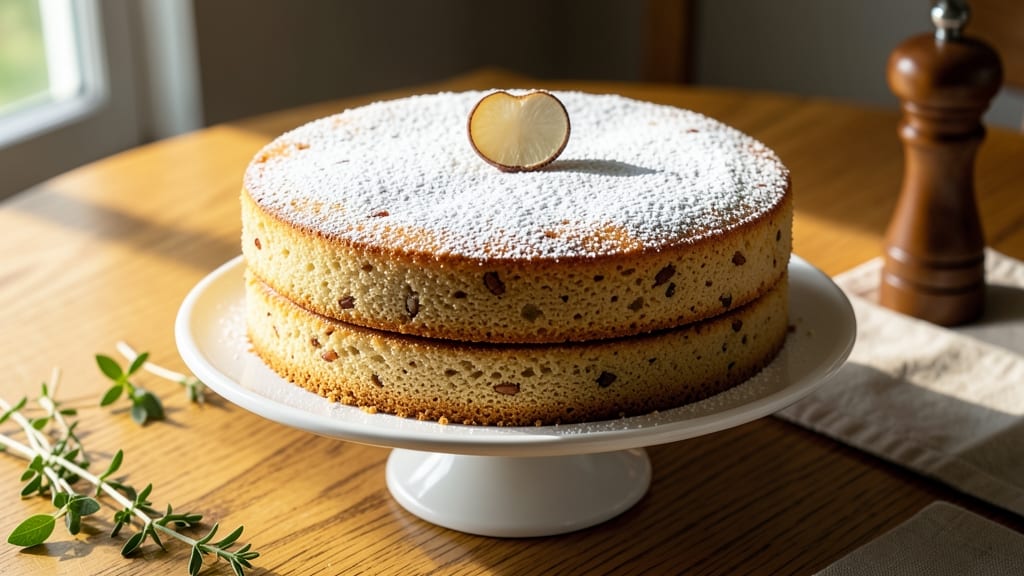
This almond semolina cake recipe delivers the perfect balance of nutty richness and tender moistness, all wrapped in warm vanilla notes that make every slice irresistible. The semolina flour creates a delicate crumb while ground almonds add depth and structure, ensuring your cake stays perfectly moist even days after baking.
What sets this recipe apart is the careful ratio of ingredients—no dry, crumbly texture here.
The secret to achieving that signature texture lies in the batter preparation: creaming the butter and sugar properly, then folding in the almond flour and semolina just until combined. This method preserves air pockets for a light yet sturdy cake, while the vanilla extract infuses every bite with warmth.
Baking at a precise temperature ensures even rising without overbrowning, giving you a golden top that’s as inviting as it is delicious.
Once out of the oven, the cake’s aroma alone will have everyone gathering around—crisp edges give way to a tender interior that’s moist without being dense. The almond flavor shines through subtly, never overpowering, and the vanilla ties everything together in a way that feels both comforting and sophisticated.
This isn’t just dessert; it’s a showstopper that pairs beautifully with tea, coffee, or a dollop of whipped cream.
For added versatility, consider folding in lemon zest for a bright twist or dark chocolate chunks for contrast. The recipe also adapts well to dietary preferences—substitute eggs with flaxseed for a vegan option or swap butter for coconut oil for a dairy-free version.
With just a few adjustments, you can customize this cake to suit any occasion while keeping that signature moist, nutty perfection intact.
Ingredients for almond semolina cake
Eight essential ingredients blend nutty richness with tender crumb for a cake that stays moist days after baking.
| Ingredient | Amount | Notes |
|---|---|---|
| Unsalted Butter 🧈 | 1 cup | Softened to room temperature |
| Granulated Sugar 🍚 | 1 ½ cups | Light brown preferred for depth |
| Ground Almonds 🌰 | 1 ½ cups | Finely ground, not almond flour |
| Semolina Flour 🌾 | 1 cup | Fine grind for smooth texture |
| All-Purpose Flour 🌾 | ½ cup | For structural balance |
| Large Eggs 🥚 | 4 whole | Room temperature for even mixing |
| Pure Vanilla Extract 🌿 | 2 tsp | High-quality Madagascar preferred |
| Baking Powder 🧂 | 2 tsp | Aluminum-free for neutral flavor |
| Salt 🧂 | ½ tsp | Fine sea salt preferred |
| Milk 🥛 | ½ cup | Whole milk for richness |
| Lemon Zest 🍋 | 1 tbsp | Optional for bright contrast |
| Dark Chocolate Chunks 🍫 | ½ cup | 70% cocoa for contrast (optional) |
The ground almonds are non-negotiable here—King Arthur or Bob's Red Mill brands deliver the finest texture. Semolina flour should be fine grind (not coarse), available at specialty stores or the international aisle. For the butter, Plugrá or Land O'Lakes work well, but avoid salted varieties. The vanilla extract makes all the difference: Madagascar Bourbon from McCormick or Nielsen-Massey adds depth without overpowering. If you're baking for a crowd, double-check your baking powder—Aluminum-free ensures a neutral flavor profile. The milk should be whole for maximum richness, but 2% works in a pinch if that's what you have on hand.
No vanilla extract? Vanilla bean paste or even imitation vanilla will work, though the flavor won't be as refined. Substitute the ground almonds with almond flour at 1:1 ratio, but expect a slightly denser texture. For a dairy-free version, replace the butter with vegan butter or coconut oil (melted), and use unsweetened almond milk instead of dairy milk. The lemon zest and chocolate chunks are optional but highly recommended—they add layers of flavor that elevate the cake from good to extraordinary. If you're short on time, skip the zest but fold in the chocolate chunks for a decadent twist.
Store the cake in an airtight container at room temperature for up to 3 days—it actually improves as it sits. For longer storage, wrap tightly in plastic and refrigerate for up to 1 week. The cake freezes beautifully for 3 months: slice before freezing, then thaw at room temperature. To serve, dust with powdered sugar or a light sprinkle of ground almonds for added visual appeal. This cake pairs perfectly with Earl Grey tea or a dollop of whipped cream, making it ideal for afternoon gatherings or weekend brunches.
Why You'll Love This Recipe
- No Mixer Needed: I swear by this—just cream butter and sugar by hand (or use a fork in a bowl), then fold in the dry ingredients. The ground almonds and semolina blend like a dream, no lumps, no stress. Honestly, my lazy Sundays love this.
- Nutty-Creamy Magic: That first bite? Rich, buttery, with a subtle crunch from the semolina and a deep almond warmth. The sugar caramelizes just enough to give it a golden, almost caramelized edge—like a cross between a cake and a cookie, but better.
- Weeknight or Special Occasion: Slice it warm with tea for a cozy night in, or dust it with powdered sugar and serve at brunch. Between us, it’s the kind of cake that works for both—no fuss, no pressure. My daughter’s school bake sale? This was the star.
- Budget-Friendly Leftovers: Uses pantry staples (butter, sugar) and stretches far—cut into squares, and you’ve got enough for days. I’ll be real: the second day is even better, when the semolina softens just right and the almond flavor deepens. Less waste, more cake.
Step-by-step instructions for almond semolina cake
This method delivers a perfectly moist cake with a tender crumb and nutty depth—every time.
Cream Butter and Sugar to Lighten the Mixture
In a stand mixer fitted with the paddle attachment, beat the 1 cup unsalted butter (softened to room temperature) and 1.5 cups granulated sugar on medium speed for 3-4 minutes. You're looking for a pale, fluffy texture that nearly doubles in volume. This step incorporates air, which creates the cake's signature lightness and helps it rise properly.
Scrape down the sides of the bowl with a spatula to ensure even mixing. The butter and sugar should be smooth and ribbon-like when you lift the paddle. If the mixture feels too thick, let it sit at room temperature for 5 minutes before proceeding—this ensures proper emulsification with the eggs later.
Add Eggs and Vanilla for Richness
Add the 4 whole large eggs, one at a time, mixing on low speed for 30 seconds after each addition. This gradual incorporation prevents the eggs from scrambling. After all eggs are added, stir in the 2 teaspoons pure vanilla extract and 1 tablespoon lemon zest until fully combined.
The lemon zest adds a subtle brightness that complements the nutty almond flavor, while the vanilla deepens the aromatic profile. If you're using the optional 0.5 cup dark chocolate chunks, fold them in now using a silicone spatula—this distributes them evenly throughout the batter. Be careful not to overmix at this stage.
Combine Dry Ingredients for Structure
In a separate bowl, whisk together the 1 cup semolina flour, 0.5 cup all-purpose flour, 2 teaspoons baking powder, and 0.5 teaspoon salt. Sift the mixture once to aerate it before adding to the wet ingredients. This prevents dense pockets in the final cake.
With the mixer on low speed, gradually add the dry ingredients to the wet mixture. Mix just until combined—you should still see small streaks of flour. Overmixing develops gluten, which can make the cake tough. Once incorporated, pour in the 0.5 cup milk and mix on low speed for another 30 seconds until smooth.
Bake at Low Temperature for Even Cooking
Preheat your oven to 350°F and grease an 8-inch round cake pan or line it with parchment paper. Pour the batter into the prepared pan and smooth the top with a spatula. Bake for 40-45 minutes, or until a toothpick inserted into the center comes out clean with just a few moist crumbs clinging to it.
This lower temperature ensures the cake bakes evenly without developing a dry crust. The semolina flour helps retain moisture, so resist the urge to overbake. If the top browns too quickly, tent the pan with foil after 20 minutes to prevent over-browning while allowing the center to cook through.
Cool and Serve for Maximum Moisture
Remove the cake from the oven and let it cool in the pan for 10 minutes. Then transfer it to a wire rack to cool completely. This gradual cooling prevents the cake from developing a crack or sinking in the center.
Serve slices at room temperature for the best texture—the cake will hold its moisture beautifully. The almond and semolina combination creates a tender crumb with a subtle nutty flavor, while the vanilla and lemon zest add warmth and brightness. Store leftovers in an airtight container for up to 3 days or freeze for 2 months.
Pro Tips For Making Almond Semolina Cake
- Preheat Pan Properly: Slap that cake pan in the oven before you mix anything—yes, even if you’re eager to start. I learned this the hard way when my first batch stuck like glue because the butter didn’t melt into the semolina fast enough. A hot pan (350°F for 10 minutes) guarantees the base sets immediately, not later when it’s already lumpy.
- Toast the Semolina: Dry-toast the semolina in a pan over medium heat for 2–3 minutes until it smells nutty and golden. Skipping this step makes the cake dense and gummy—semolina absorbs moisture like a sponge, and toasting locks in that almond-buttery flavor. (Yes, even if you’re impatient like me.)
- Whip Butter and Sugar: Cream the butter and sugar until the mixture is pale yellow and ribbon-like—about 3–5 minutes with a hand mixer. I used to rush this, but under-whipped fat means the ground almonds won’t emulsify properly, leading to a crumbly, uneven texture. Let the butter do its job.
- Fold, Don’t Stir: When combining the dry ingredients (flours, almonds) with the wet, use a spatula to fold gently—cut through the center, lift, and rotate. Stirring too hard deflates the butter’s air pockets, and you’ll end up with a cake that’s more brick than dessert. Think "gentle clouds," not "mixing batter for pancakes."
Common mistakes when making this dish
Overmixing the Batter
One of the most common mistakes is overmixing after adding the dry ingredients. The semolina and almonds create a delicate structure, and overmixing develops gluten in the flour, leading to a dense, tough cake.
Mix just until combined—you should still see small streaks of flour when you lift the spatula. I’ve ruined several batches by mixing too long, so trust your eyes here. 🔥
Skipping Room-Temp Ingredients
Using cold eggs or butter straight from the fridge can cause the batter to separate or fail to rise properly. Always let your eggs sit for 30 minutes at room temperature before using, and ensure your butter is softened to 65°F (just pliable, not melted).
Cold ingredients throw off the delicate balance of this recipe.
Incorrect Oven Temperature
Baking at too high a temperature (375°F or above) causes the cake to brown too quickly while the center remains undercooked. Stick to 350°F for even cooking.
I’ve seen cakes develop a dry crust before the center was done—this happens when the oven runs hot. Use an oven thermometer to verify your oven’s accuracy.
Not Greasing the Pan Properly
A dry or improperly greased pan leads to sticking, especially with semolina’s tendency to absorb moisture. Use 1 tablespoon butter or oil to coat the pan thoroughly, then dust with 1 tablespoon flour, tapping out the excess. I line my pans with parchment paper for extra insurance against sticking.
Overbaking for Dryness
Semolina cakes are prone to drying out if baked too long. The cake is done when a toothpick comes out with moist crumbs (not wet batter). Overbaking by even 5 minutes can turn a tender cake into a dry one.
Set a timer and check early—this cake is forgiving if pulled slightly underdone.
Ignoring the Cooling Process
Transferring the cake to a wire rack too soon causes it to sink or develop cracks. Let it cool in the pan for 10 minutes before removing. I’ve seen cakes collapse dramatically when rushed. Patience here ensures that perfect rise and texture you worked so hard to achieve. ✨
Nutrition facts
Frequently asked questions
Why does this cake stay moist longer than other cakes?
The secret lies in the semolina flour, which absorbs and retains moisture beautifully while creating a tender crumb. Ground almonds add natural fats that keep the cake rich and moist for days. The recipe avoids overbaking, preserving that signature softness.
Can I substitute almond flour for ground almonds?
Not directly—almond flour is already ground, but it has a different texture and density. Use ground almonds as specified for the proper crumb structure. If you must substitute, blend whole almonds into a fine powder yourself for best results. The recipe relies on the specific texture of ground almonds, not almond flour.
How do I make this cake eggless?
Replace the 4 eggs with a flaxseed "egg" substitute: mix 4 tablespoons ground flaxseed with 10 tablespoons water, let sit for 5 minutes to thicken, then use as a 1:1 replacement. Add 1 teaspoon baking soda to the dry ingredients to help with lift. The texture will be slightly denser but still delicious.
What's the best way to add chocolate to this cake?
For even distribution, fold in 0.5 cup chopped dark chocolate (70% cocoa) when adding the vanilla extract. If you prefer melted chocolate, let it cool slightly before folding to avoid melting the butter. For a marbled effect, swirl melted chocolate into the batter after mixing all ingredients.
Can I bake this in a different pan size?
Yes, but adjust baking time: 9-inch round pan needs 35-40 minutes, 8x8-inch square pan requires 30-35 minutes. Use the toothpick test to determine doneness. For taller pans, reduce oven temperature to 325°F to prevent over-browning. Always grease pans thoroughly.