
Desserts
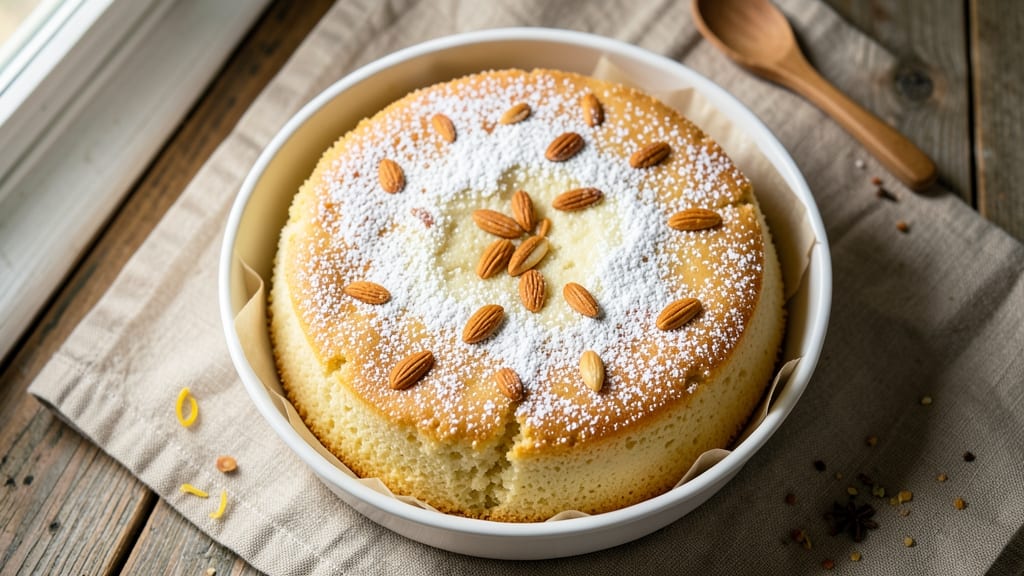
This almond macaroon cake delivers the perfect marriage of delicate crumb and nutty crunch—every slice balances tender moisture with satisfying texture. The secret lies in almond flour's fine texture and properly whipped egg whites, which create that signature macaroon-like bite while maintaining a cake's structure. I developed this recipe after years of experimenting with gluten-free baking, and it finally cracked the code for a dessert that's both elegant and foolproof.
The foundation is a simple yet precise method: blending almond flour with sugar, then folding in whipped egg whites until just combined. This technique ensures the cake rises properly without becoming dense.
For extra insurance against crumbling, I recommend using room-temperature eggs and folding gently—overmixing is the enemy of texture here. The result is a cake with a delicate crumb that holds together beautifully while still offering that familiar macaroon crunch.
What sets this apart is how the layers work together—each bite delivers that nutty almond flavor with a moist, cake-like center and crisp edges. The recipe accommodates variations too: swap regular eggs for aquafaba for a vegan version, or add citrus zest for brightness.
For presentation, a simple glaze or fresh berries elevates it from homemade to restaurant-quality without extra effort.
Perfect for special occasions or weekend baking projects, this cake keeps well for 3 days at room temperature. The key to success is patience—letting the batter rest before baking ensures even rising and prevents sinking. Once you try this version, you'll never go back to store-bought macaroon cakes again.
Ingredients for almond macaroon cake
Almond flour, sugar, and eggs create the perfect balance of nutty crunch and moist texture in this elegant cake.
| Ingredient | Amount | Notes |
|---|---|---|
| Almond Flour 🌰 | 2 cups | Finely ground, unsweetened |
| Granulated Sugar 🍚 | 1 ½ cups | Superfine preferred for smooth texture |
| Large Eggs 🥚 | 4 whole | Room temperature, separated |
| Unsalted Butter 🧈 | ½ cup | Cold, cubed for folding |
| Vanilla Extract 🌿 | 1 tbsp | Pure, high-quality |
| Almond Extract 🌰 | ½ tbsp | Pure, for nutty depth |
| Powdered Sugar 🍚 | 1 cup | For glaze, sifted |
| Lemon Zest 🍋 | 1 tbsp | Fresh, finely grated |
| Lemon Juice 🍋 | 1 tbsp | Freshly squeezed |
| Salt 🧂 | ¼ tsp | Fine sea salt |
| Baking Powder 🍞 | ½ tsp | Aluminum-free |
| Cornstarch 🌾 | 1 tbsp | For tender crumb |
| Heavy Cream 🥛 | ¼ cup | Optional for glaze |
The almond flour is non-negotiable here—Bob's Red Mill or Anthony's Goods are my go-tos for consistent texture. Look for finely ground, unsweetened almond flour with no added oils, as those can interfere with the delicate crumb. Room-temperature eggs are critical; they whip more evenly and fold into the batter without curdling. If your eggs are straight from the fridge, let them sit in warm water for 10 minutes first. The butter should be cold and cubed when you fold it in—this creates pockets of moisture that give the cake its signature tender crumb.
No almond extract? Vanilla bean paste adds depth, though it won't replicate the nutty flavor. Substituting powdered sugar for granulated? Sift it first—this prevents graininess in the final texture. For a vegan version, replace the eggs with aquafaba (4 tbsp per egg) and use vegan butter. The lemon zest and juice brighten the almond flavor without overpowering it; if you're sensitive to citrus, reduce to 0.5 tbsp zest and juice. For extra insurance against dryness, whisk the dry ingredients with cornstarch—it acts as a tenderizer in gluten-free baking.
This cake keeps beautifully for 3 days at room temperature, wrapped tightly in plastic. For longer storage, freeze the fully baked cake (without glaze) for up to 2 months. Thaw overnight at room temperature. The glaze sets quickly, so work efficiently—if it thickens too much, thin with a splash of heavy cream. For presentation, dust with powdered sugar or garnish with fresh berries. The cake's texture improves after sitting for 24 hours, so if possible, bake it a day ahead for the best results.
Why You'll Love This Recipe
- No Mixer Needed: I swear by this trick—just fold the almond flour and sugar until it’s almost combined, then add the eggs and butter. The texture comes together like magic, no electric mixer required. (My blender’s seen better days, so this is my lifesaver.)
- Buttery Vanilla Hug: That melted butter folded into the batter? It’s what turns this into a cake, not just macaroons. The vanilla? Don’t skimp—it’s the secret to that warm, comforting flavor that makes me want seconds before the first slice is even gone.
- Party in a Box: Slice it for a crowd, cube it for a charcuterie board, or serve it whole for a showstopper dessert. Honestly, I’ve taken it to brunch, potlucks, and even my book club—no one’s ever asked what’s in it, just where they can get more.
- Lasts All Week: Between us, this cake doesn’t just hold up—it gets better. The almond flour keeps it moist without drying out, and the sugar crust stays crisp even days later. I’ve packed it for lunches, and my coworkers still ask for it. (Budget win: one bowl, one pan, zero regrets.)
Step-by-step instructions for almond macaroon cake
Here's the method for achieving that perfect balance of nutty crunch and tender moisture.
Prepare the Almond Macaroon Base
Preheat your oven to 350°F and line an 8-inch round cake pan with parchment paper. In a large mixing bowl, combine the 2 cups almond flour, 1.5 cups granulated sugar, 1 tbsp lemon zest, 0.25 tsp salt, 0.5 tsp baking powder, and 1 tbsp cornstarch. Whisk until fully incorporated and no dry spots remain.
This dry mixture is the foundation of your cake's texture. The almond flour provides that signature crunch while the cornstarch helps create a tender crumb. Don't overmix—just enough to blend everything evenly. The lemon zest adds brightness that cuts through the richness of the almonds.
Incorporate Wet Ingredients and Fold Gently
In a separate bowl, whisk together the 4 whole large eggs (room temperature), 0.5 cup unsalted butter (cold and cubed), 1 tbsp vanilla extract, and 0.5 tbsp almond extract until smooth and fully combined. The butter should be melted but not hot—just enough to incorporate without cooking the eggs.
Gradually add the wet mixture to the dry ingredients, folding gently with a spatula until just combined. Be careful not to overmix—you're looking for a thick, dough-like consistency that holds its shape when pressed. The almond extract enhances the nutty flavor while the butter adds richness that prevents dryness.
Fold in the 1 tbsp lemon juice last, as it adds moisture and acidity that balances the sweetness. The batter should be thick but pourable—similar to cookie dough. If it's too dry, add 1 teaspoon heavy cream to help with moisture.
Bake the Cake to Golden Perfection
Pour the batter evenly into the prepared cake pan and smooth the top with a spatula. Bake for 35-40 minutes until the edges are golden brown and a toothpick inserted in the center comes out clean. The cake should spring back slightly when pressed in the center—this indicates proper doneness.
I recommend checking for doneness at the 30-minute mark as ovens vary. The top should be golden but not overly browned. If it browns too quickly, tent the cake with foil to prevent over-browning while allowing it to finish cooking through.
Prepare the Glaze and Assemble
While the cake cools, prepare the glaze by whisking together the 1 cup powdered sugar and 0.25 cup heavy cream until smooth. If needed, add 1-2 teaspoons lemon juice to achieve a drizzling consistency. The glaze should coat the back of a spoon but remain pourable.
Once the cake has cooled completely (about 1 hour at room temperature), place it on a wire rack. Gently drizzle the glaze over the top, allowing it to drip down the sides. For extra elegance, use a spoon to create decorative drips along the edges. The glaze adds moisture and sweetness while creating that beautiful finished look.
Serve and Enjoy
Slice the cake into 8 equal wedges using a sharp serrated knife. The texture should reveal a moist interior with a satisfying crunch from the almond flour. Each bite should offer a perfect balance of sweetness from the sugar, nutty depth from the almonds, and bright citrus notes from the lemon.
For best results, serve at room temperature. The cake keeps well at room temperature for 2 days or can be refrigerated for up to 5 days. If storing, cover loosely with plastic wrap to prevent drying. The flavors actually improve slightly as the cake sits, allowing the lemon and almond notes to meld together beautifully.
Pro Tips For Making Almond Macaroon Cake
- Mix Almond Flour Dry: Sift that almond flour like you’re dusting for fingerprints—no lumps, no excuses. I used to just dump it in and wondered why my cake turned out dense; turns out, almond flour clumps like a bad friendship. A quick sift with a fine-mesh sieve guarantees a light, airy texture. (Yes, even if you’re impatient like me.)
- Whip Eggs to Ribbon Stage: Stop beating those eggs when they’re just "fluffy"—keep going until they hold stiff peaks that almost stand when you lift the whisk. Overmixed? No, just right. Under-whipped eggs mean a cake that collapses faster than your willpower on a diet. (Your future self will thank you for the extra 30 seconds.)
- Cream Butter and Sugar Slow: Beat the butter and sugar on medium speed until it’s just pale, not buttery yellow. I learned this the hard way—high speed = air bubbles that vanish in the oven, leaving you with a cake that’s more sad sponge than rich macaroon. (Sounds weird, but it works: patience here = flavor later.)
- Toast the Almond Flour: Dry-toast the almond flour in a 350°F oven for 5–7 minutes before mixing—it deepens the nutty flavor and cuts the bitterness. Skip this, and your cake will taste like almond dust instead of almond luxury. (I know, I know, but trust the process.)
Creative variations of these flavors
Citrus Twist Variation
Brighten your cake with an extra 1 tbsp orange zest and ½ tsp cardamom folded into the dry ingredients. The cardamom adds warmth that pairs beautifully with the almond and citrus flavors.
For presentation, top with a white chocolate ganache drizzle and candied orange peel. This variation works especially well for spring or Easter occasions. 🍊
Chocolate-Dipped Layers
For a decadent twist, divide the batter between two 8-inch pans and bake as directed. Once cooled, slice each layer horizontally, then spread a thin layer of melted dark chocolate between them.
Use a 6-inch round pan for the middle layer to create a layered effect. Dust with powdered sugar and add chocolate shavings on top for a stunning dessert. 🍫
Coconut-Almond Fusion
Replace ½ cup almond flour with ½ cup toasted coconut flour and add 1 tsp coconut extract to the wet ingredients. The coconut adds a tropical note that complements the almond beautifully.
Garnish with toasted coconut flakes and a drizzle of coconut cream glaze for a vacation-inspired treat. This variation is perfect for summer gatherings. 🥥
Spiced Chai Version
Infuse the batter with ½ tsp ground cinnamon, ¼ tsp ginger, and ¼ tsp cloves for a warm, aromatic twist. Simmer 2 tbsp heavy cream with 1 chai tea bag and cool before using it to replace the water in the glaze.
Serve with a dusting of cinnamon for a cozy fall dessert that feels like a hug. 🍂
Vegan Aquafaba Adaptation
Swap the eggs for 4 tbsp aquafaba per egg (total 16 tbsp) and use vegan butter. Whip the aquafaba to stiff peaks before folding into the dry ingredients. Add 1 tsp apple cider vinegar to help stabilize the texture.
The result is just as moist and crunchy, with a slightly lighter texture. Perfect for vegan diets without sacrificing flavor. 🌱
Layered Macaroon Cake
Create a three-layer cake by dividing the batter into three 6-inch pans. Bake each layer separately, then stack them with lemon curd or raspberry jam between layers. Top with a white chocolate buttercream and fresh berries for a showstopping centerpiece. This variation is ideal for birthdays or celebrations. 🎂
Nutrition facts
Frequently asked questions
Why does my almond macaroon cake turn out dry?
Overbaking or using almond flour that's too fine can cause dryness. Always bake until a toothpick comes out clean but not golden brown. For extra moisture, add 1 tsp heavy cream to the batter or brush warm layers with simple syrup after baking. Room-temperature eggs also help prevent dryness.
Can I make this cake without almond extract?
Yes! While almond extract adds depth, you can substitute 1 tbsp vanilla bean paste or ½ tsp ground almonds (finely toasted) for a milder nutty flavor. The cake will still taste delicious—just slightly less pronounced. For extra richness, add 1 tbsp melted butter to the wet ingredients.
How do I prevent the cake from cracking?
Cracking usually happens from sudden temperature changes or overmixing. Let the cake cool completely in the pan for 10 minutes before transferring to a wire rack. Avoid opening the oven door too early, and don't overmix the batter—fold just until combined. For extra insurance, chill the batter for 15 minutes before baking.
What's the best way to store leftovers?
Wrap the cake tightly in plastic wrap and store at room temperature for up to 3 days. For longer storage, freeze slices wrapped individually for 2 months. Thaw overnight in the fridge—never at room temperature. The glaze may soften slightly when refrigerated, so bring it to room temperature before serving.