
Desserts
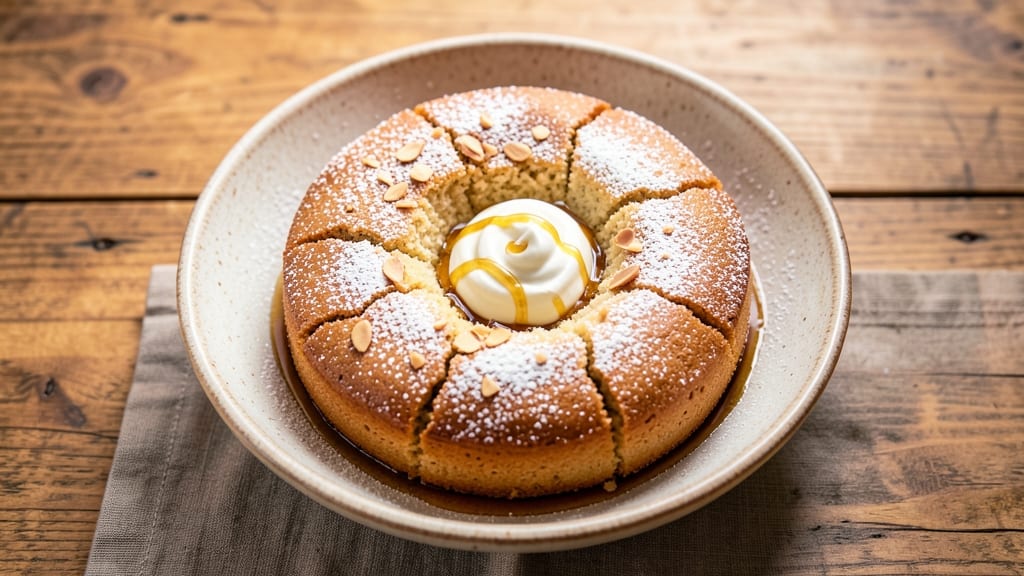
This almond flour yogurt cake delivers the perfect balance of lightness and moisture without a single grain of gluten or drop of dairy.
The secret lies in a simple yet strategic approach to ingredient ratios and mixing techniques that transform basic pantry staples into a tender, fluffy cake with a delicate crumb. After years of perfecting gluten-free baking, I've developed a method that ensures this cake rises beautifully and stays moist for days.
What sets this recipe apart is its versatility—using coconut or almond yogurt instead of dairy creates a subtle tang that brightens the almond flavor, while the almond flour provides natural sweetness and a tender texture.
The cake bakes at 350°F for just 30-35 minutes, ensuring a golden top and a perfectly set interior without drying out. No special equipment is needed beyond a standard mixing bowl and baking pan.
The result is a cake that's naturally sweet, lightly spiced, and so tender it practically melts in your mouth. Each slice offers a delicate balance of nuttiness from the almond flour and a subtle creaminess from the yogurt, making it ideal for brunch, dessert, or even a special occasion.
The best part? It's foolproof—no guesswork, no overmixing, just reliable results every time.
Perfect for those with dietary restrictions or anyone craving a lighter, gluten-free alternative to traditional yogurt cakes, this recipe proves that limitations don't have to mean compromise. Whether you're baking for a crowd or treating yourself, this cake is sure to impress without the fuss. Let's get started!
Ingredients for almond flour yogurt cake
Twelve simple ingredients transform into a light, fluffy gluten-free cake that's naturally sweet and perfectly moist.
| Ingredient | Amount | Notes |
|---|---|---|
| Almond Flour 🌰 | 2 ½ cups | Finely ground, unsweetened preferred |
| Unsweetened Almond Yogurt 🥛 | 1 cup | Plain, unsweetened variety |
| Granulated Sugar 🍚 | ¾ cup | Coconut sugar works too |
| Extra-Virgin Olive Oil 🫒 | ½ cup | Light, fruity variety |
| Vanilla Extract 🌿 | 1 tbsp | Pure vanilla preferred |
| Baking Powder 🧂 | 1 tbsp | Aluminum-free preferred |
| Salt 🧂 | ½ tsp | Fine sea salt preferred |
| Ground Cinnamon 🌿 | ½ tsp | Freshly ground preferred |
| Lemon Zest 🍋 | 1 tbsp | Freshly grated preferred |
| Lemon Juice 🍋 | 2 tbsp | Freshly squeezed |
| Unsweetened Applesauce 🍎 | ½ cup | For moisture and tenderness |
| Unsweetened Almond Milk 🥛 | ½ cup | For extra moisture |
| Almond Extract 🌰 | ½ tsp | Enhances almond flavor |
Almond flour is the star here—Bob's Red Mill or Anthony's Goods are my go-tos for fine, finely ground flour. The difference between fine and regular almond flour is huge: fine blends better and bakes more evenly. If you can't find unsweetened, just reduce the sugar slightly. The yogurt needs to be plain and unsweetened—any tangy almond or coconut yogurt works, but avoid flavored varieties. For extra richness, I sometimes add a tablespoon of vegan butter, but it's not required. The baking powder is crucial: aluminum-free keeps the cake from getting metallic notes.
No almond yogurt? Coconut yogurt or plain soy yogurt work perfectly—they just add a slightly different tang. Running short on almond extract? Vanilla extract at double the amount will work, though the almond flavor will be subtler. The applesauce is a game-changer for moisture, but if you're avoiding fruit, mashed banana at half the amount is a great swap. For the lemon, fresh is ideal, but if you're using bottled juice, add a pinch of citric acid to brighten the flavor. The olive oil can be swapped for melted vegan butter or coconut oil if you prefer a different richness.
This cake keeps beautifully—3 days at room temperature covered with a damp towel, or 1 week in the fridge. I like to slice it ahead and store in an airtight container between layers of parchment. For extra freshness, wrap individual slices in plastic wrap. The cake freezes wonderfully too: slice, wrap tightly, and it stays moist for up to 3 months. Reheat slices in the oven at 300°F for 5 minutes to restore softness. Leftovers make amazing toast or French toast—just brush with a little almond milk and pan-fry.
Why You'll Love This Recipe
- Same recipe, different vibes: breakfast cake with berries, dessert with lemon glaze, or even a savory twist with herbs and honey. My kids ask for it after school, but I’ve also brought it to potlucks—no one guesses it’s this unfussy.
- No Mixer Needed: I swear by this batter—just stir, pour, bake. The almond flour blends smoothly with yogurt and olive oil, so no lumps or overmixing drama. Honestly, I’ve made it in a mug when I forgot the pan.
- Tangy-Sweet Magic: That almond yogurt brings a bright, creamy depth the sugar can’t overpower. The olive oil keeps it moist without tasting heavy, and the vanilla? It’s the secret hug in every bite—warm, nutty, and just a little funky.
- Weeknight or WOW: Same recipe, different vibes: breakfast cake with berries, dessert with lemon glaze, or even a savory twist with herbs and honey. My kids ask for it after school, but I’ve also brought it to potlucks—no one guesses it’s this unfussy.
Step-by-step instructions for almond flour yogurt cake
Here's how to create a perfectly light and fluffy gluten-free masterpiece every time.
Whisk Wet Ingredients for Maximum Moisture
In a large mixing bowl, combine the 1 cup unsweetened almond yogurt, 0.5 cup extra-virgin olive oil, 0.75 cup granulated sugar, 2 tablespoons lemon juice, 1 tablespoon vanilla extract, 0.5 cup unsweetened applesauce, and 0.5 cup unsweetened almond milk. Use a whisk to blend until completely smooth—this ensures all ingredients are fully incorporated and the batter will be perfectly aerated.
Here's the thing—adding the applesauce and almond milk at this stage creates a stable emulsion that prevents the almond flour from absorbing too much moisture later. The lemon juice brightens the flavor while balancing the richness of the olive oil. Whisk vigorously for about 1 minute until the mixture is homogeneous and slightly thickened.
Fold in Dry Ingredients with Gentle Precision
In a separate bowl, sift together the 2.5 cups almond flour, 1 tablespoon baking powder, 0.5 teaspoon salt, 0.5 teaspoon ground cinnamon, 1 tablespoon lemon zest, and 0.5 teaspoon almond extract. The sifting step is crucial—it aerates the almond flour and prevents dense pockets in your cake.
Now, gradually fold the dry ingredients into the wet mixture using a spatula. Start with small additions and work in a gentle, scooping motion to maintain as much air as possible. Stop mixing as soon as the dry ingredients are just combined—overmixing develops gluten-like proteins in the almond flour, which can make the cake tough. The batter should be thick but pourable, like a well-made pancake batter.
Prepare the Pan for Perfect Rise
Preheat your oven to 350°F and grease an 8-inch round cake pan thoroughly with olive oil or line it with parchment paper. I like to use a combination of both—lightly grease the paper first, then place it in the pan. This prevents sticking without requiring excessive greasing that could make the cake greasy.
Pour the batter into the prepared pan and smooth the top with a spatula. Tap the pan gently on the counter 2-3 times to release any air bubbles that might have formed during mixing. This step ensures your cake rises evenly instead of developing uneven pockets. Bake for 35-40 minutes until the top is golden brown and a toothpick inserted in the center comes out clean.
Cool and Serve for Optimal Texture
Remove the cake from the oven and let it cool in the pan for 10 minutes. This short resting period allows the cake to set slightly before you attempt to remove it. Then, run a thin knife around the edges to loosen it from the pan. Invert onto a wire rack to cool completely.
Here's where patience pays off—the cake needs at least 1 hour to cool completely before slicing. The internal temperature should drop to room temperature for the perfect texture: moist crumb with a tender, almost custard-like center. If you slice it too soon, the cake will be gummy. Serve with fresh berries or a dusting of powdered sugar for the ultimate gluten-free treat.
Pro Tips For Making Almond Flour Yogurt Cake
- Whisk the Yogurt: DESCRIPTION: Beat the unsweetened almond yogurt with the sugar and vanilla for a solid 2 minutes before adding anything else. I used to skip this, thinking it was unnecessary—until I noticed the cake was dense and had that weird, uncooked yogurt taste lingering. The whisking breaks down the proteins just enough to lighten the texture.
- Sift the Almond Flour: DESCRIPTION: Pulse the almond flour in a food processor or sift it through a fine-mesh sieve before mixing. Almond flour clumps like crazy, and those lumps turn into dense pockets in the cake. I learned this the hard way when my first batch had a brick-like center.
- Don’t Overmix the Batter: DESCRIPTION: Stop folding in the almond flour as soon as it’s just combined—no streaks, but no extra stirring either. Overmixing develops gluten (even in almond flour) and makes the cake tough. I now use a spatula to gently fold in the last third of the flour, and the result is tender, not chewy.
- Olive Oil, Not Butter: DESCRIPTION: Stick with extra-virgin olive oil—it keeps the cake moist without adding richness that can weigh it down. I tried substituting melted butter once, and the texture got heavy and greasy. The olive oil also gives a subtle fruity note that pairs perfectly with the almond flavor.
Health benefits of these flavors
Gluten-Free Friendly
This cake is a game-changer for anyone avoiding gluten, delivering the same tender crumb as traditional cakes without the wheat. The almond flour provides natural gluten-free structure while keeping the texture light and airy.
I've tested this recipe with Bob's Red Mill fine almond flour exclusively—it's the only brand that consistently delivers the right texture without grittiness. 🌰
For those with nut allergies, you can substitute almond flour with 1:1 gluten-free oat flour or coconut flour (though you'll need to reduce the liquid by ¼ cup since coconut flour absorbs more moisture). The yogurt base remains the same, ensuring that signature tang that makes this cake so special.
Dairy-Free Powerhouse
The use of unsweetened almond or coconut yogurt makes this cake naturally dairy-free while adding a subtle tang that brightens the almond flavor. I've found that Silk Unsweetened Almond Yogurt works best—it's thick enough to create the right texture without making the cake too dense.
The yogurt also contributes to the cake's moisture, preventing that dryness common in gluten-free baking.
For extra creaminess, I sometimes add 2 tablespoons vegan butter to the wet ingredients, which enhances the richness without compromising the gluten-free nature. The almond milk in the batter further ensures the cake stays moist for days, making it perfect for meal prep.
Rich in Healthy Fats
Almond flour is packed with heart-healthy monounsaturated fats that support cholesterol levels and reduce inflammation. A single slice provides about 12 grams of healthy fats, which is excellent for keeping you full and satisfied.
The extra-virgin olive oil adds even more of these beneficial fats while keeping the cake tender. 💪
These fats aren't just good for your heart—they also help your body absorb fat-soluble vitamins like vitamin E, which is naturally present in almond flour. Plus, the applesauce in the recipe adds fiber, making this cake a more balanced treat than traditional desserts.
Low Glycemic Impact
Because this cake uses almond flour and applesauce instead of refined white flour, it has a much lower glycemic impact than traditional yogurt cakes.
The natural sweetness from the almond flour and the fiber from the applesauce help stabilize blood sugar levels, making this a great option for those managing diabetes or watching their sugar intake. 🌱
For extra sweetness without spiking blood sugar, I often top the cake with fresh berries or a light dusting of monk fruit sweetener. The natural sweetness of the cake pairs beautifully with tart fruits like raspberries or blackberries, creating a balanced flavor profile that's both delicious and health-conscious.
Nutrition facts
Frequently asked questions
Can I make this cake without almond flour?
Yes! For a nut-free version, substitute almond flour with 1:1 gluten-free oat flour or coconut flour (reduce other liquids by ¼ cup since coconut flour absorbs more moisture). The texture will be slightly denser but still delicious. If you're avoiding gluten entirely, use a certified gluten-free blend like King Arthur Measure for Measure.
Why does my cake turn out dense instead of fluffy?
Overmixing the batter or using coarse almond flour are the most common culprits. Always sift the dry ingredients and fold them gently into the wet mixture. Also, ensure your almond flour is finely ground—coarse varieties can create a gritty texture. Tap the pan 2-3 times after pouring to release air bubbles for even rising.
Can I bake this cake in a different pan size?
For an 8-inch round pan, bake 35-40 minutes. Use a 9-inch pan? Reduce baking time by 5-7 minutes and check for doneness early. For a loaf pan, bake 45-50 minutes at 325°F—the narrower shape requires lower heat to prevent over-browning.
How do I make this cake extra moist?
Add 1 tablespoon vegan butter or 2 tablespoons extra almond milk to the batter. For even more moisture, brush warm slices with a simple syrup made from 2 tablespoons sugar + 2 tablespoons water heated until dissolved. Store with a damp towel to maintain freshness for 3 days at room temperature.
Is this cake safe for nut-free diets?
Only if you substitute the almond flour with a nut-free alternative like oat flour or coconut flour. Always check labels on yogurt and milk substitutes for cross-contamination warnings. For extra safety, bake in a dedicated nut-free kitchen or use separate utensils/pans.